

Introduction to Sapa
Sapa rises along the spine of the Hoang Lien Son range, where cool mountain air mingles with drifting clouds and terraced valleys fall away in sweeping layers of green and gold. Once a French hill station in the 1920s, the town has evolved into one of Vietnam’s most iconic highland destinations.
The region is home to several ethnic minority communities, including the Hmong, Red Dao, Tay, and Giay. Their villages, craft traditions, and seasonal farming rhythms bring a unique cultural richness to Sapa’s already stunning landscapes.
Sapa today is undeniably more developed and popular than it once was, yet its surrounding valleys remain remarkably beautiful. With good planning, travelers can still find quiet trails, meaningful encounters, and the mountain serenity they come looking for.
Quick Facts about Sapa
Before diving into details, here’s a quick snapshot to help you understand what makes Sapa such a worth experiencing destination.
| Category | Details |
|---|---|
| Location | Northwest Vietnam, in Lao Cai Province, near the border with China |
| Airport | Nearest: Hanoi (Noi Bai International Airport) — ~5–6 hours by road/train to Sapa |
| Train Station | Lao Cai Railway Station (35 km from Sapa town) |
| Best Known | Terraced rice fields, ethnic minority cultures, Fansipan Mountain |
| Popular Areas | Sapa Town, Cat Cat, Lao Chai – Ta Van, Ta Phin, Muong Hoa Valley, Fansipan |
| Climate | Cool year-round; cold winters (can drop near 0°C; occasional snow) |
| Ideal Stay | 2–3 days |
| Travel Style | Trekking, cultural immersion, nature retreats |
| Best time to visit | March–May for warm weather. September–October (Golden season) |
What makes Sapa Special?
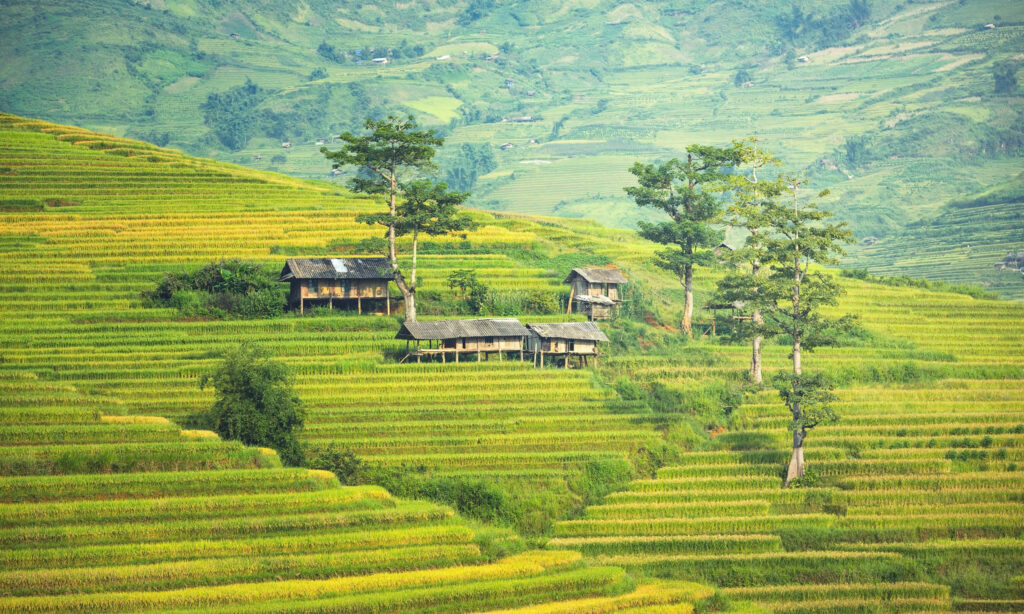
- Golden Rice Terraces: The Muong Hoa Valley is Sapa’s visual signature: century-old terraces carved meticulously into steep hillsides. They shift in color throughout the year—emerald in spring, deep green in summer, and a brilliant gold at harvest.
- Ethnic Minority Villages: Villages such as Lao Chai, Ta Van, Y Linh Ho, and Giang Ta Chai offer a look into daily life: handwoven textiles drying in the sun, herbs hanging above kitchens, and traditional batik designs made with beeswax and indigo. Trekking through these villages offers a more personal understanding of the region than staying within town.
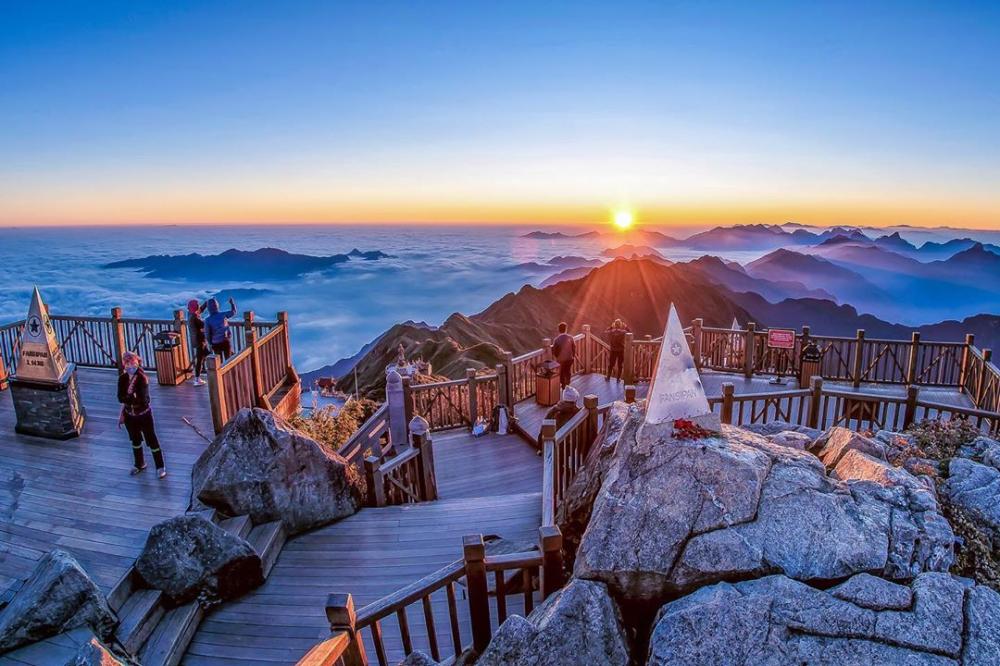
- The Roof of Indochina: Dominating the skyline is Mount Fansipan. At 3,143 meters, it is the highest peak in Vietnam, Laos, and Cambodia. Whether you conquer it by foot or take the modern cable car, the view from the summit is an unforgettable sea of clouds.
- Mountain Markets Markets here are vibrant social events. The famous Bac Ha Market (held on Sundays) or the Can Cau Market (Saturdays) are riots of color, where Highlanders from different tribes gather to trade buffalo, handmade textiles, and local produce.
- Logistics Tip: These markets are located away from Sapa town. To visit them, you typically need to arrive early in the morning at Lao Cai Railway Station (usually via the overnight train from Hanoi), then transfer by private car to Bac Ha or Can Cau to catch the market at its peak.

How to plan a trip to Sapa
How long to stay
- For a classic mountain escape (2–3 days):
This timeframe is perfect to trek through Muong Hoa Valley, visit signature villages such as Cat Cat, Lao Chai – Ta Van, or Ta Phin, and take the cable car to Fansipan for sweeping views over the Hoang Lien Son range. - For a deeper highland experience (4+ days):
Additional time allows you to combine longer trekking routes across multiple villages, explore Sapa Town at a slower pace, and, if your timing aligns, visit local ethnic markets for a glimpse into regional trading culture. It also gives flexibility to adapt around Sapa’s often unpredictable mountain weather.
Best time to visit
| 🌦️ Season | ⛅️ Weather | ⛱️ Best for | 📌 Note |
|---|---|---|---|
| March – May | Warm days, cool nights; clear views; blooming flowers | Light trekking, photography, village visits | Spring is comfortable and colorful, ideal for first-time visitors. |
| September – October | Mild, dry, stable weather; golden rice terraces | Scenic hikes, landscape photography | “Golden Season” — the terraces turn vibrant yellow. Peak time for photos, so expect crowds. |
| December – February | Cold, foggy; occasional frost or snow | Unique winter scenery, quiet travel | Bring warm layers. Fog can limit views, but the atmosphere is calm and mystical. |
Money & Connectivity
- Cash is essential, especially in villages and markets. ATMs and money exchanges are available in Sapa town.
- Connectivity: Wi-Fi is standard in hotels and cafes. For trekking, a Viettel SIM card offers the most reliable signal in remote valleys.
Local etiquette
Vietnamese culture is warm and welcoming, and a little cultural awareness goes a long way. Here are a few tips to help you travel respectfully
- Ask Permission: Always ask before taking photos of locals, especially older generations.
- Dress Modestly: When visiting villages or schools, avoid overly revealing clothing.
- Support Locals: Buy handicrafts directly from the makers in the villages rather than mass-produced souvenirs in town.
- When in doubt, follow the locals — and don’t be afraid to ask. Vietnamese people are happy to share their customs if you show interest.
Getting to Sapa
- By Overnight Train (via Lao Cai):
The overnight train from Hanoi to Lao Cai is a classic and atmospheric travel experience, offering comfortable sleeper cabins. After arriving at Lao Cai station, travelers continue with a scenic 45-minute bus or taxi ride along the mountain pass to Sapa. Train quality varies significantly, ranging from standard Vietnam Railways carriages to higher-end private cabins such as Victoria Express or Chapa Express, which feature wood-paneled interiors, improved bedding, and upgraded onboard service. Choosing the right class can greatly impact comfort, so it is worth reviewing options carefully when planning. - By Bus / Limousine Van:
Modern sleeper buses and luxury limousine vans run directly from Hanoi to Sapa Town via the expressway. The journey typically takes 5–6 hours, making it the most direct and commonly used route. Services usually drop passengers in the town center, eliminating the need to transfer at Lao Cai. - By Private Car:
A comfortable and flexible option, especially for families or small groups. The drive from Hanoi to Sapa takes approximately 5–6 hours, with the advantage of customizable rest stops, photo opportunities, and a more private travel experience along the mountain route.
Planning ahead? Many travelers require a visa to enter Vietnam. Check our Vietnam Visa Guide here to see if your country is on the visa-required list and how to apply quickly.
Local festivals & events
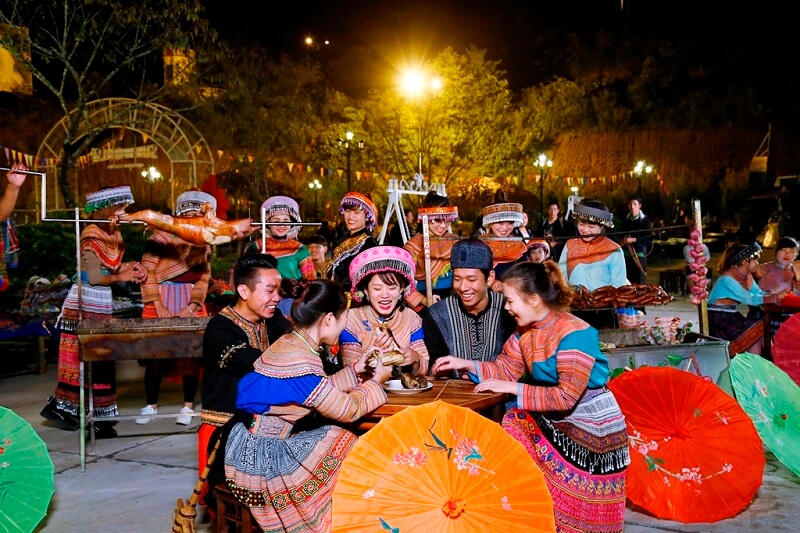
💕 Love Market (Saturday nights) – An age-old courtship tradition still celebrated in town squares.
🌾 Rice Harvest Season (Sep–Oct) – Golden terraces attract photographers worldwide.
🌸 New Year Festivals (Jan–Feb) – Each ethnic group has its own customs and dances.

Best Things to Do in Sapa
Where mist rolls over terraced valleys and mountain trails lead into ethnic villages, Sapa invites travelers to connect with nature and culture. Here are our top experiences

1. Trek the Muong Hoa Valley
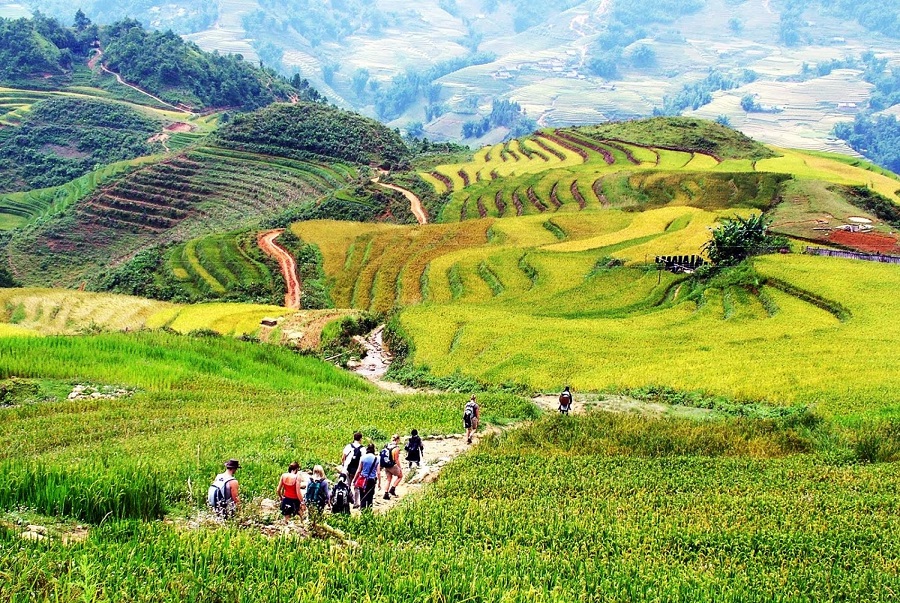
The best way to see Sapa is on foot. Trekking routes connect the villages of Lao Chai, Ta Van, and Giang Ta Chai, taking you through bamboo forests, across suspension bridges, and right into the heart of the rice terraces.
2. Conquer Mount Fansipan
The three-rope Sun World system is one of the longest and highest in the world. It brings you above the clouds to a temple complex and the summit area. Great for families, photographers, and travelers seeking easy access to altitude.
3. Experience a Red Dao Herbal Bath
After a long day of hiking, soak in a traditional wooden tub filled with a medicinal brew of forest herbs, bark, and leaves. It is a specialty of the Red Dao people and famous for soothing aching muscles.
4. Visit Cat Cat Village
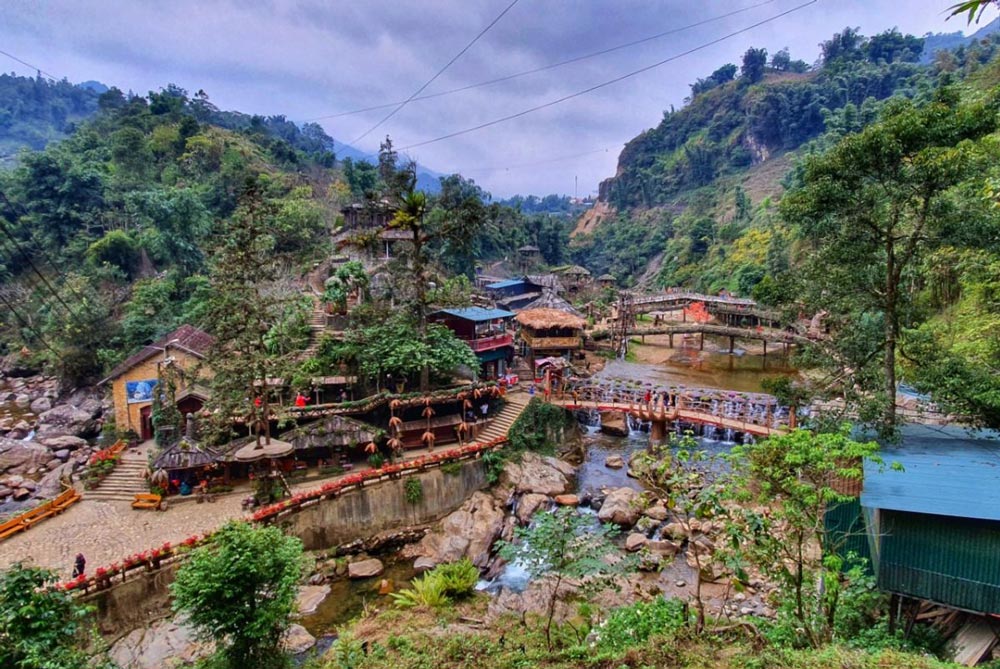
Located just a short walk from Sapa town, this village offers a glimpse into Hmong culture, complete with a dramatic waterfall and traditional water wheels.
5. Explore the Silver Waterfall & Heaven’s Gate
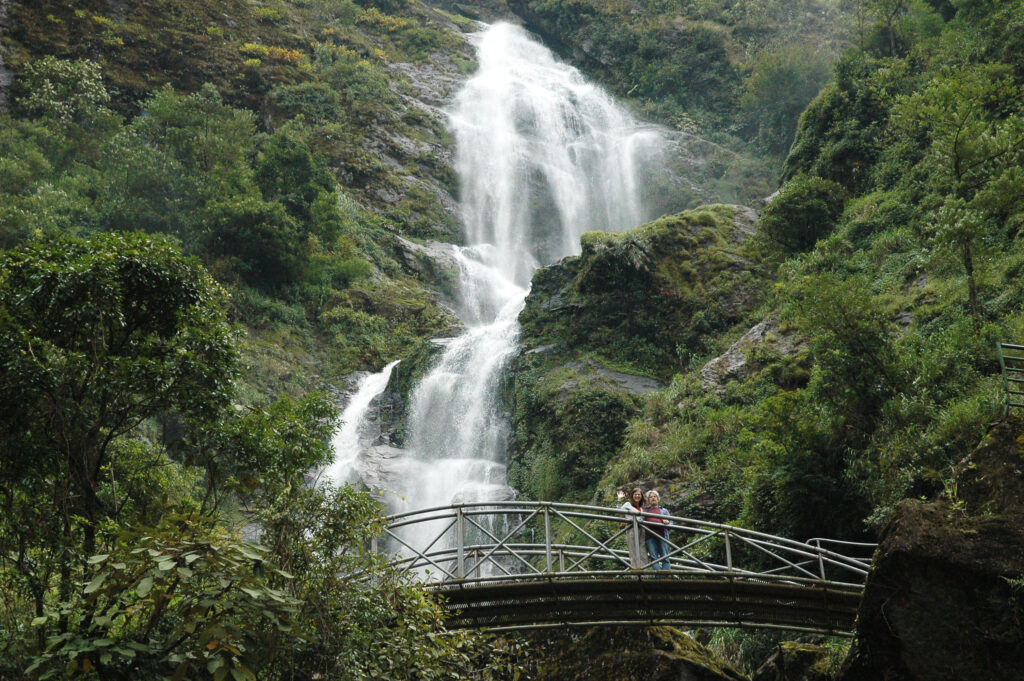
Located along the Tram Ton Pass—the highest mountain pass in Vietnam. Stop at the thundering Silver Waterfall (Thac Bac) and gaze out from Heaven’s Gate (Cong Troi) where the views stretch endlessly.
6. Shop at Bac Ha Market (Sunday)
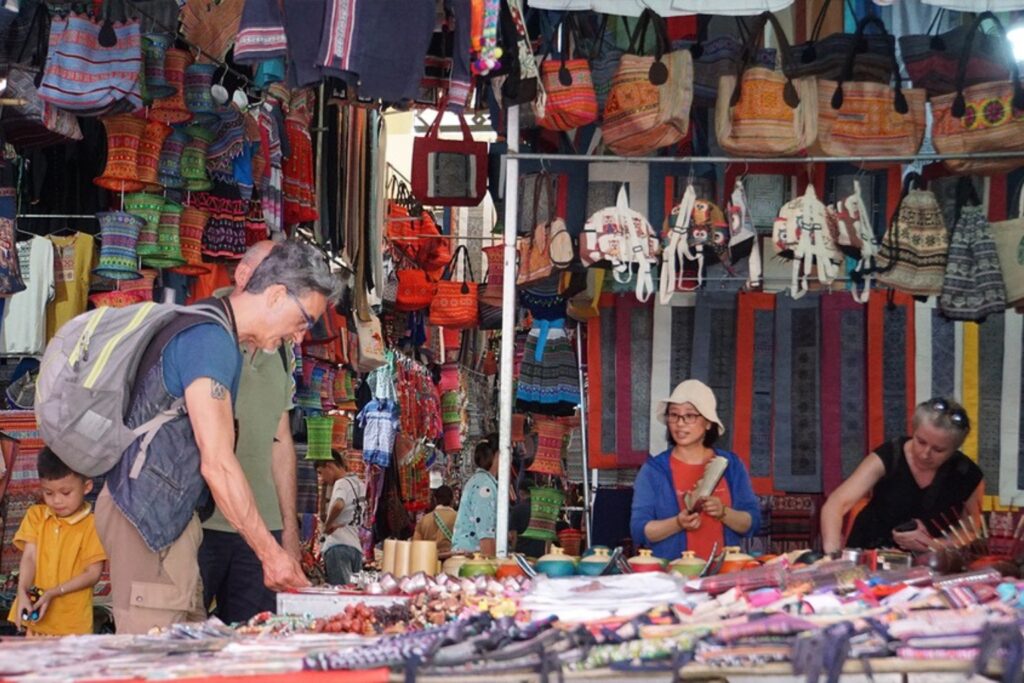
If your schedule allows, take a day trip (about 3 hours away) to Bac Ha. It is the largest ethnic market in the region, famous for its colorful textiles, livestock trading, and potent corn wine.
7. Chase Clouds at O Quy Ho Pass
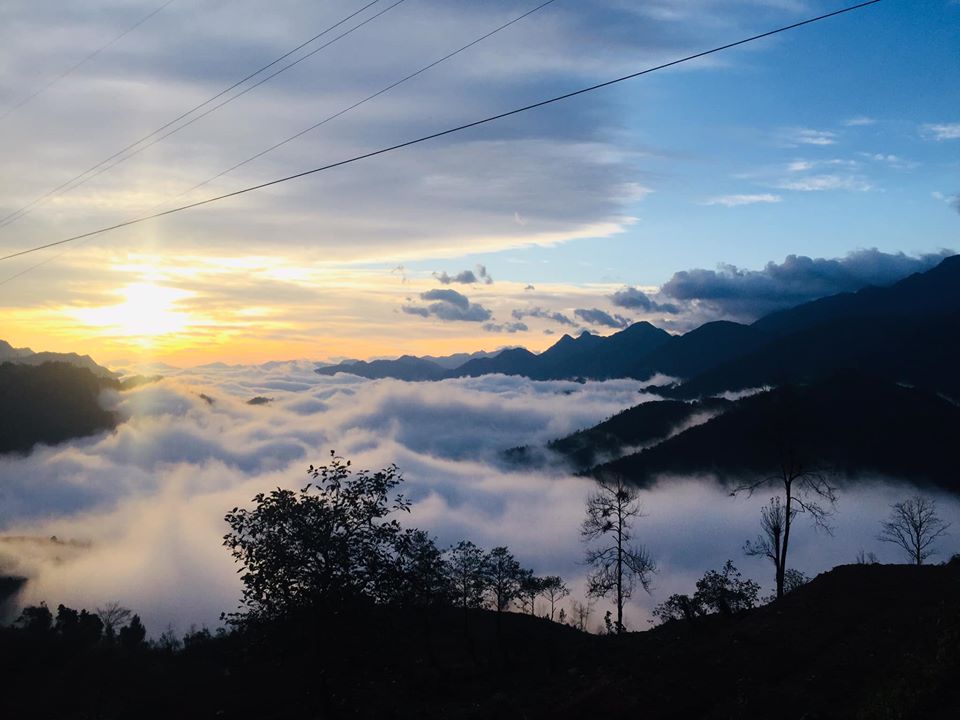
One of the highest mountain passes in Vietnam, O Quy Ho is best visited early in the morning when clouds drift across the valleys. On clear days, the views stretch over Hoang Lien Son mountain ranges and deep rice terraces below.
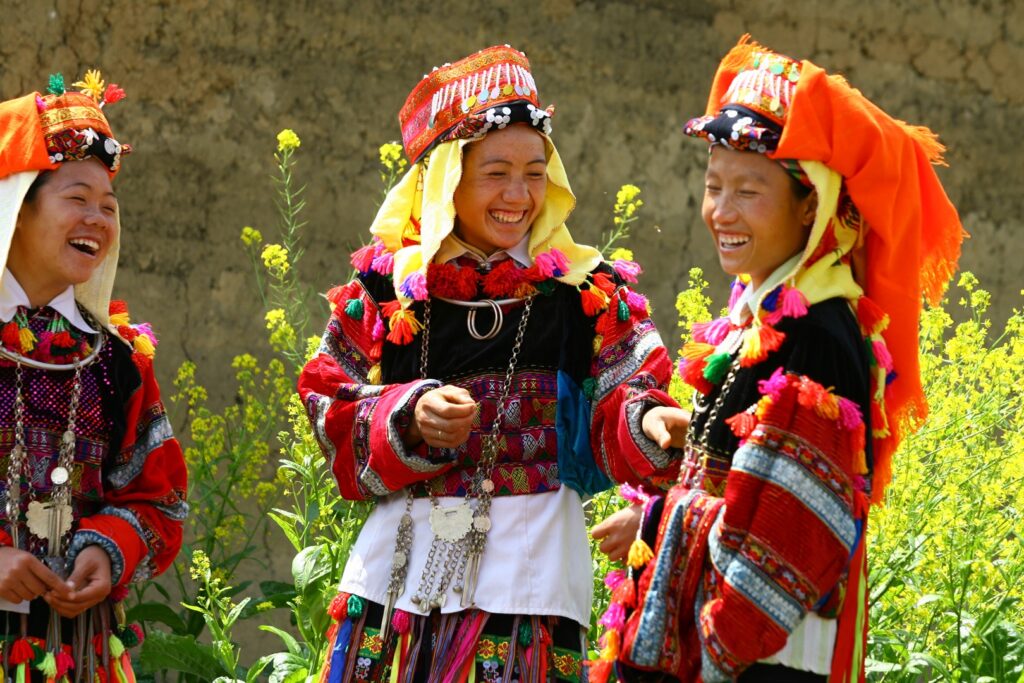
8. Dress in Local Traditional Outfits
In Sapa town, visitors can try on traditional costumes inspired by Hmong, Dao, and Tay ethnic groups. Many studios offer short photo sessions, allowing travelers to appreciate the craftsmanship behind embroidery, patterns, and silver accessories.
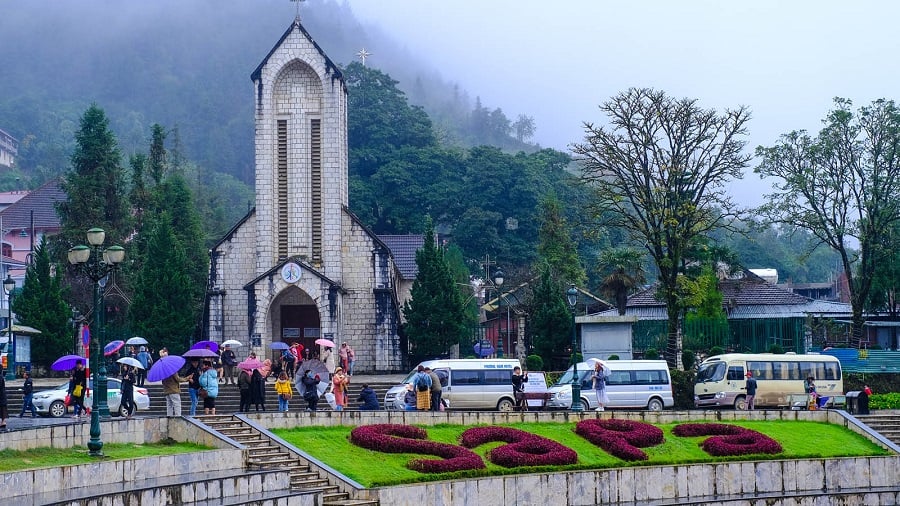
9. Walk around Sapa Stone Church
Built during the French colonial period, the stone church stands at the center of Sapa town. The surrounding square becomes livelier in the evenings, with street food stalls and local gatherings creating a relaxed mountain-town atmosphere.
Want to experience it with expert guidance? Join our Picturesque Vietnam Tour to explore Sapa and beyond: Comfortable transport, insightful stories, and everything arranged for a meaningful visit.
What to Eat in Sapa
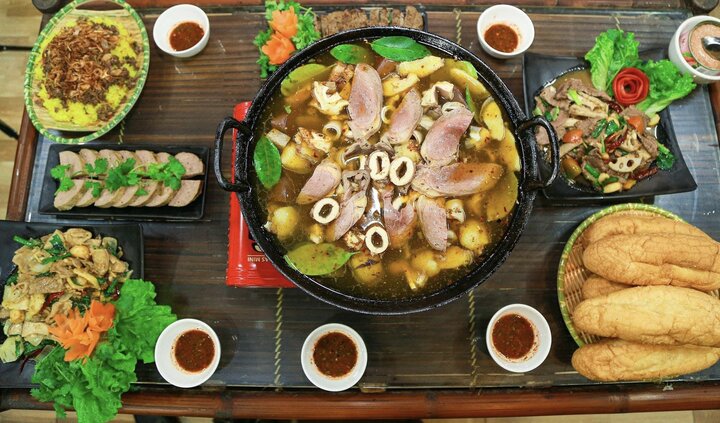
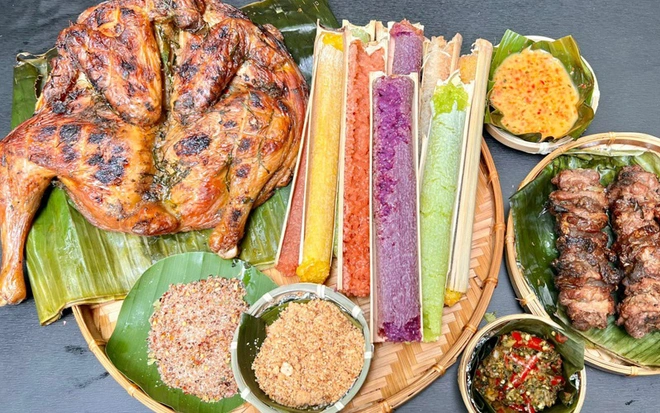
In the cool mountain air, Sapa’s flavors feel warmer, earthier, and deeply tied to its ethnic roots. From sizzling grills to hearty highland specialties.
- Salmon Hotpot (Lau Ca Hoi): Sapa is famous for raising cold-water rainbow trout and salmon. The fish is served fresh in a sour and spicy hotpot with mountain vegetables.
- Thang Co: A traditional Hmong stew made from horse meat and organs, simmered with 12 spices. It’s an adventurous dish often found in markets.
- Com Lam (Bamboo Sticky Rice): Rice cooked inside bamboo tubes over fire—chewy, fragrant, and perfect for dipping in sesame salt.
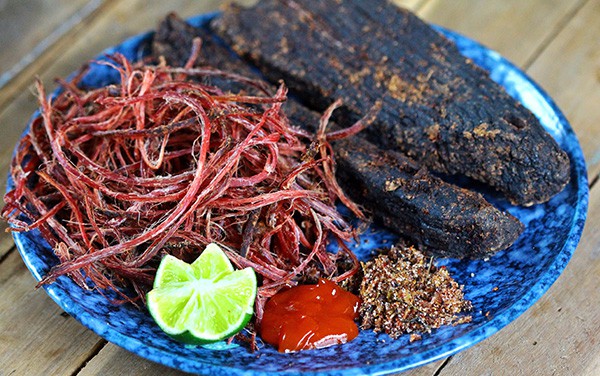
- Smoked Buffalo Meat (Thit Trau Gac Bep): Marinated with local spices and smoked over a wood fire for weeks. It has a robust, jerky-like texture.
- Grilled Skewers (Do Nuong): In the chilly evenings, street stalls sell skewers of everything from pork and mushrooms to sweet potatoes and eggs.
- Black Chicken (Ga Den): A local breed of small chicken with black skin and bones, prized for its medicinal qualities and often steamed with herbal medicine.
Tips for a smooth trip
- Pack for Four Seasons: Sapa weather is unpredictable. You might experience sun, rain, and cold fog all in one day. A waterproof jacket and warm layers are essential.
- Footwear Matters: If you plan to trek, bring sturdy shoes with good grip. The clay paths can be incredibly slippery when wet.
- Book Early in Harvest season: September and October attract huge crowds of photographers. Secure your accommodation months in advance.
- Respect the Culture: When buying goods from street vendors (often young children), be kind but mindful. Supporting education initiatives is often better than buying trinkets from kids during school hours.

Discover history, food, and hidden corners with us
Where to Go Next?
- Hanoi (5–6 hours): Return to the capital to explore the Old Quarter and tranquil lakes.
- Ha Giang (6–7 hours): For the ultimate adventure, head further north to the majestic Ha Giang Loop.
- Bac Ha (3 hours): A quieter alternative to Sapa, famous for its plum blossoms and Sunday market.
- Ninh Binh: “Halong Bay on Land,” easily accessible via overnight bus from Sapa.

Not sure where to go next? Let us help you customize your Vietnam Journey
Tours in Sapa
Picturesque Vietnam
18-day journey through the country’s most naturally beautiful and culturally rich regions from Hanoi