

Introduction to Con Dao
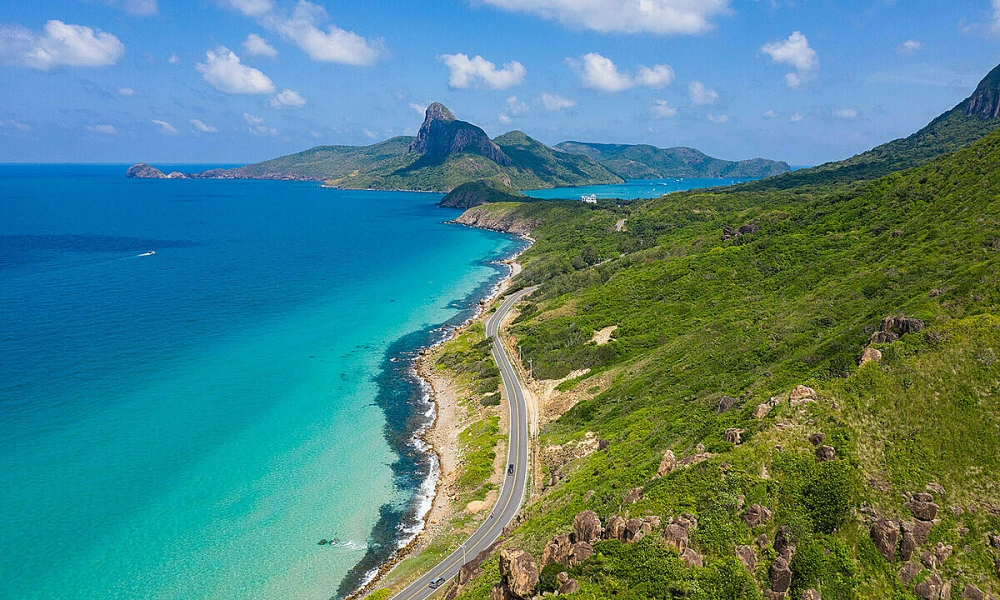
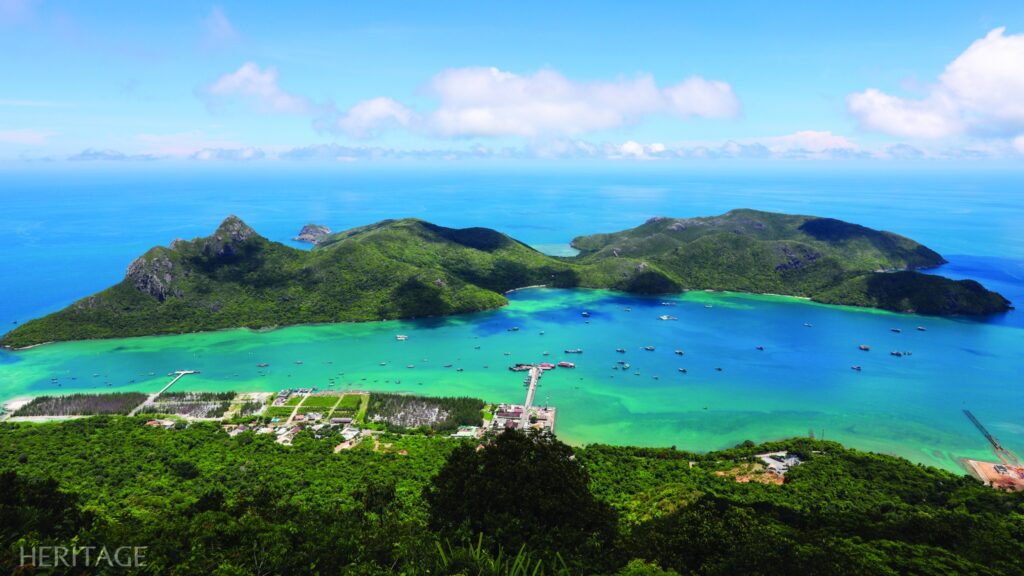
Welcome to Ginkgo Voyage’s ultimate Con Dao Travel Guide. Floating about 230 km off the southern coast of Vietnam, this archipelago of 16 islands is one of those rare places where history, spirituality, and untouched nature meet in perfect balance. Travel + Leisure named it one of the Top 10 Islands in Southeast Asia, and Vogue recently listed it among the world’s top emerging honeymoon destinations for 2026.
Con Dao National Park protects more than two-thirds of the island chain — roughly 6,000 hectares of tropical forest and 14,000 hectares of marine sanctuary.
The island’s past is just as compelling as its scenery. For over a century, Con Dao was infamously known as “Devil’s Island” — Indochine’s largest and most feared penal colony, where thousands of political prisoners were held under the French and later during the Vietnam War. Today, the preserved prisons and cemeteries offer a sobering window into Vietnam’s path to independence, while temples and shrines honour the national heroes who suffered here. In a remarkable turn, that same isolation which once made Con Dao a prison has made it a sanctuary today: roughly 90% of Vietnam’s sea turtles nest on its beaches. In 2025, the islands were connected to Vietnam’s national power grid for the first time, securing a more stable and sustainable energy supply for the future.
This unique blend of unspoiled nature, living history, and forward-thinking conservation makes Con Dao one of Vietnam’s most meaningful and most photogenic trips.
Quick facts about Con Dao
Before diving into details, here’s a quick snapshot to help you understand what makes Con Dao such a worth experiencing destination.
| Category | Details |
|---|---|
| Location | Southern Vietnam; archipelago of 16 islands, ~230 km off the coast, ~1 hour by flight from Ho Chi Minh City |
| Airport | Con Dao Airport (IATA code: VCS), ~14 km from Con Son town (30–40 minutes by car) |
| Best known | Pristine beaches, national park landscapes, sea turtle conservation, and historical prison sites |
| Popular areas | Con Son Town, Bay Canh Island, Dam Trau Beach, Con Dao National Park, Hang Duong Cemetery |
| Travel style | Wildlife conservation travel, Nature retreat, island & beach escape |
| Climate | Tropical |
| Ideal stay | 3–4 days |
| Best time to visit | March–September for calm seas, diving and turtle season; October–February for cooler weather and fewer crowds. |
When is the Best Time to Visit Con Dao?
The best time to visit Con Dao is from March to September, when the sea is calmest and underwater visibility is at its best — ideal for diving, snorkelling, and beach days. This window also overlaps with turtle nesting season (May–October), the island’s biggest natural draw. October to February brings cooler, windier weather with rougher seas, better suited to travellers who prefer fewer crowds and don’t mind skipping the water activities.
Unlike the rest of southern Vietnam, Con Dao’s climate is heavily dictated by ocean winds. Understanding this is the difference between a dream tropical getaway and being stranded at the pier.
Con Dao Weather at a Glance: The Two Distinct Seasons
| Season & Months | Marine & Weather Conditions | Travel Logistics & Experience |
| The Calm Sea Season (March – September) | Ultra-clear water, flat seas (wave height < 0.5m). Occasional afternoon showers. Peak sea turtle nesting season. | Ideal for all travellers. Perfect for scuba diving, snorkelling, and island hopping. Both speedboats and flights run at 100% capacity. |
| The Windy Season (October – February) | Strong Northeast monsoon winds (levels 5–6). High waves in Con Son Bay. However, western beaches (Dam Trau) remain calm and sheltered. | High risk of transit delays. Speedboats face a 15–20% cancellation rate. Crucial tip: fly to ensure your itinerary stays on track. |
March to September: The Marine Paradise & Turtle Nesting Season
If your dream is to see Con Dao looking like a postcard, blazing sunshine and water so transparent you can see coral from the surface this is your window. This period is also the only time you can witness one of Vietnam’s most spectacular wildlife events: green sea turtles laying eggs.
Insider Tip for Hon Bay Canh (Turtle Island): If you take a speedboat to Hon Bay Canh during nesting season, notice how the captain operates. To strictly protect the marine ecosystem and avoid disturbing the turtles, canoes and speedboats will not dock directly on the sand. Instead, you'll disembark in shallow flats roughly 100 to 180 metres from shore.
Essential gear: Pack a pair of sturdy water shoes or reef booties. You'll be wading through ankle-to-knee-deep water over submerged terrain covered in sharp wild shells and fragments of dead coral — walking barefoot here will result in painful cuts
During these months, the island’s interior rainforests are also lush and vibrant. Take a morning trek through Con Dao National Park to Bang Siting or Ong Dung beach to hear the calls of the endemic Con Dao black giant squirrel.
During the winter months, the Northeast monsoon,known locally as Gió Chướng, hits the eastern side of the island. Con Son Bay, where the main town and piers are located, experiences rough seas and strong winds. However, because Con Dao is shaped by a spine of high mountains, the western side of the island is completely shielded.
Where to swim: Avoid the town beaches. Head to Dam Trau Beach on the west coast — protected by the hills, the water here remains calm, crystal clear, and safe for swimming even when the other side of the island is battling rough waves. You can also watch planes fly incredibly low right over the beach as they land.
The logistics lifeline: Don’t rely on high-speed ferries from Vung Tau or Tran De during this season. If waves hit level 6, the maritime authority halts all sea traffic, leaving you stranded. Book a flight instead — flights are highly stable, though seats fill up fast because capacity is lower than the ferries. Aim to book at least 2 to 3 weeks in advance.
Trace history and touch the wild beauty of Con Dao with us
What’s in Con Dao?
- Pristine Beaches: Golden sands at Dam Trau, calm shallows at Lo Voi Bay, and quiet stretches near An Hai offer some of Vietnam’s most serene beach escapes.
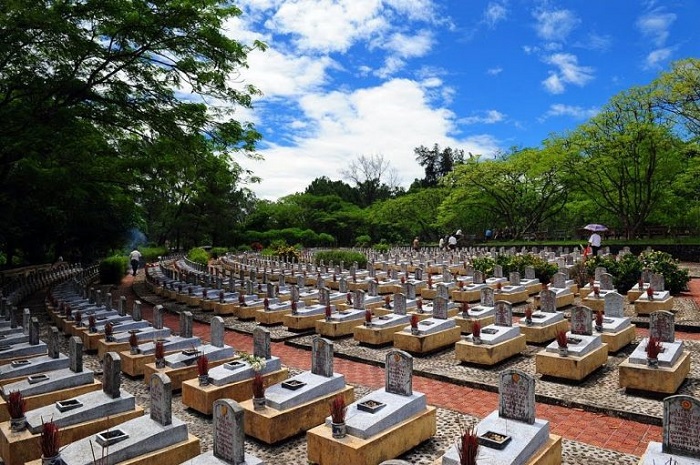
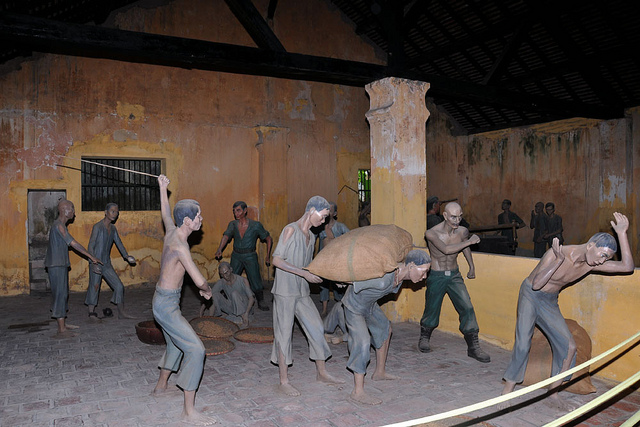
- History & Heritage: Step inside preserved French-era prisons and visit Hang Duong Cemetery to understand the island’s role in Vietnam’s fight for independence.
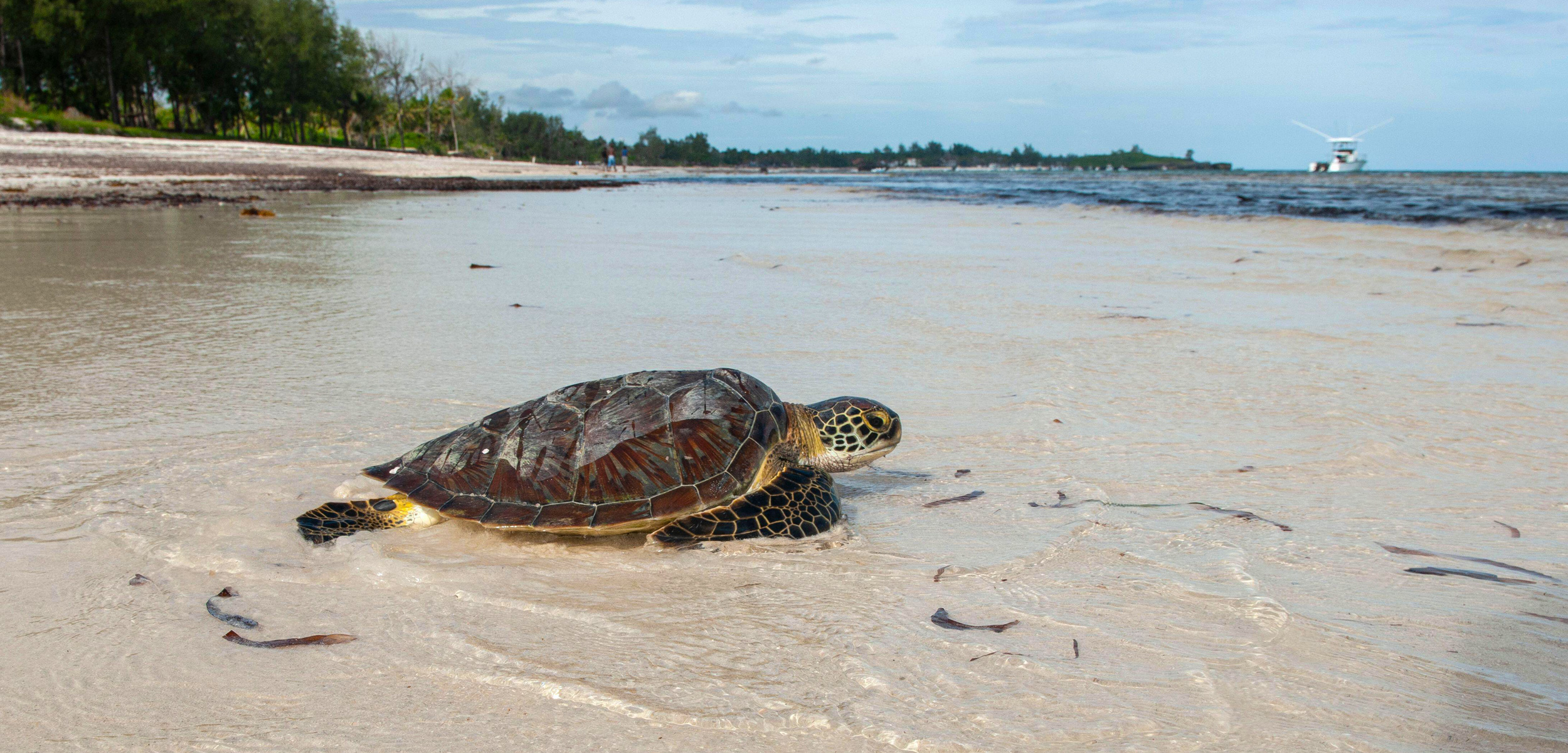
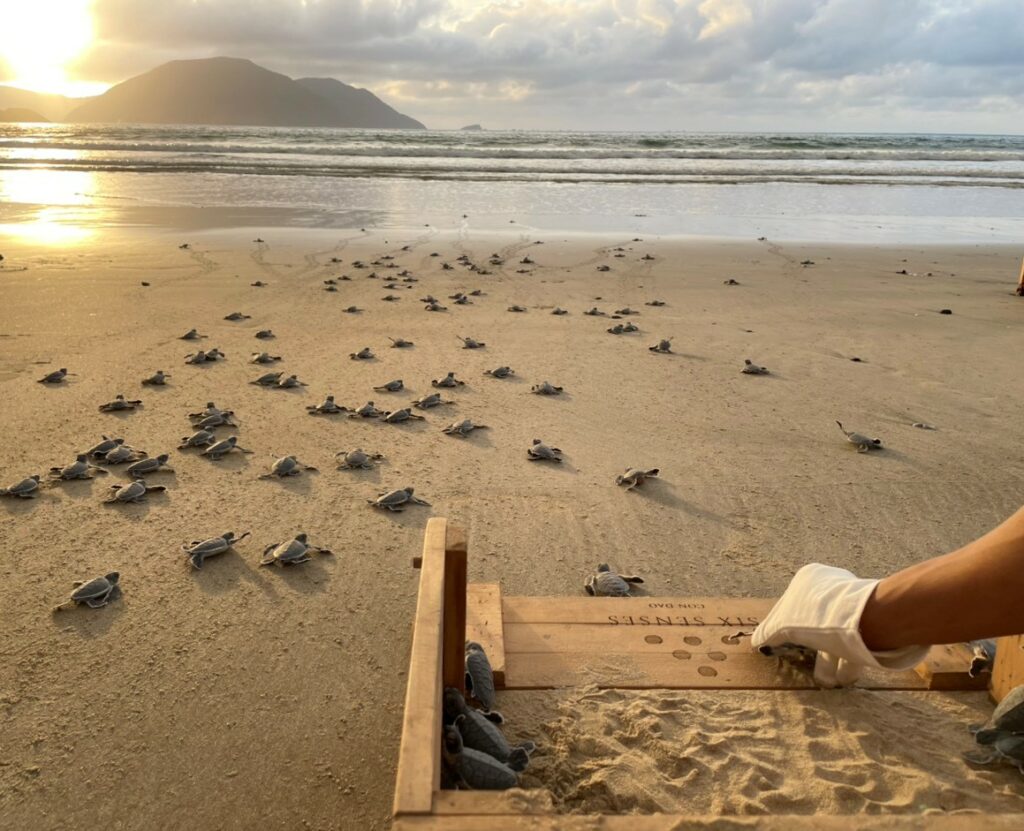
- Turtle Season: From May to October, endangered turtles come ashore at Bay Canh and Hon Cau islands to lay their eggs. Ethical night tours allow travellers to witness nesting or hatchlings returning to the sea.
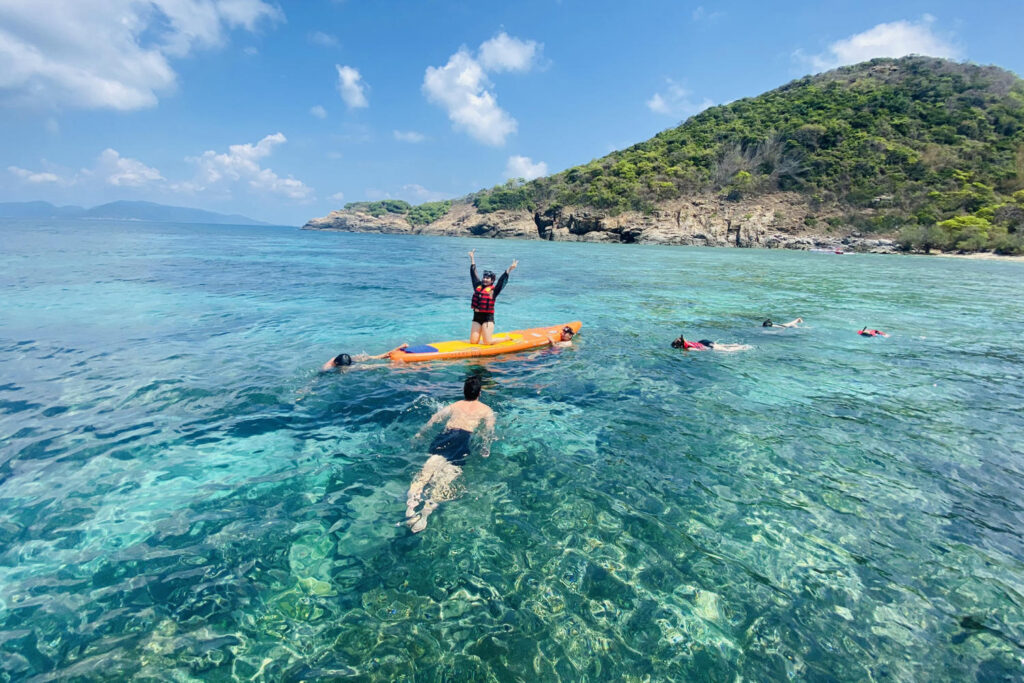
- Untouched Marine Life: Clear waters and thriving reefs make Con Dao a diver’s paradise. Visibility is best from March to September.
- Remote Tranquillity: With only one inhabited island — Con Son — life moves at an authentic, unhurried pace centred on fishing, spirituality, and quiet community life.
How to plan a trip to Con Dao
How long to stay in Con Dao
- 3–4 days: Beaches, historic sites, and nature highlights.
- 5+ days: Perfect for divers, wildlife lovers, or anyone seeking a digital detox.
Money & Connectivity
- Cash is needed for food stalls and markets.
- Cards widely accepted in hotels and restaurants.
- SIM cards from Viettel, Vinaphone, or Mobifone are cheap and reliable.
- Free Wi-Fi is everywhere — from cafés to malls.
Local Etiquette
Vietnamese culture is warm and welcoming, and a little cultural awareness goes a long way. Here are a few tips to help you travel respectfully
- Show respect at prisons, Co Sau Shrine, and Hang Duong Cemetery.
- Photography at sacred places should be discreet and respectful.
- Smile often – It’s the universal language here and opens doors everywhere.
- Dress modestly when visiting temples and religious sites (shoulders and knees covered is best).
- Avoid pointing your feet at people or sacred objects — it’s considered impolite.
- Tipping isn’t mandatory, but a small gesture (5–10%) is always appreciated at restaurants, cafés, and by guides or drivers.
- Use both hands when giving or receiving something, especially to elders — it shows respect.
- Take your shoes off when entering someone’s home or certain traditional spaces.
- When in doubt, follow the locals — and don’t be afraid to ask. Vietnamese people are happy to share their customs if you show interest.
How to get to Con Dao Island (Flights & Ferries)
- By Air
From Hanoi: New direct flights (since 2025) take about 2 hours.
From Ho Chi Minh City: Just 45 minutes.
From Can Tho: About 1h15. Flights are limited year-round—book early, especially during turtle season. - By Sea
Thang Long Super Ferry (Ho Chi Minh City – Hiep Phuoc Port): 5 hours, capacity 1,000+ passengers, with options from eco to VIP cabins.
High-Speed Boats (Vung Tau, Soc Trang – Tran De Port): 3.5–4 hours. But schedules depend on weather; consider flying is more reliable if you’re short on time. - Getting Around
Scooter rental: Best way to explore.
Taxis: Available but limited.
Bicycles/shuttles: Offered by some resorts.
Local festivals & events
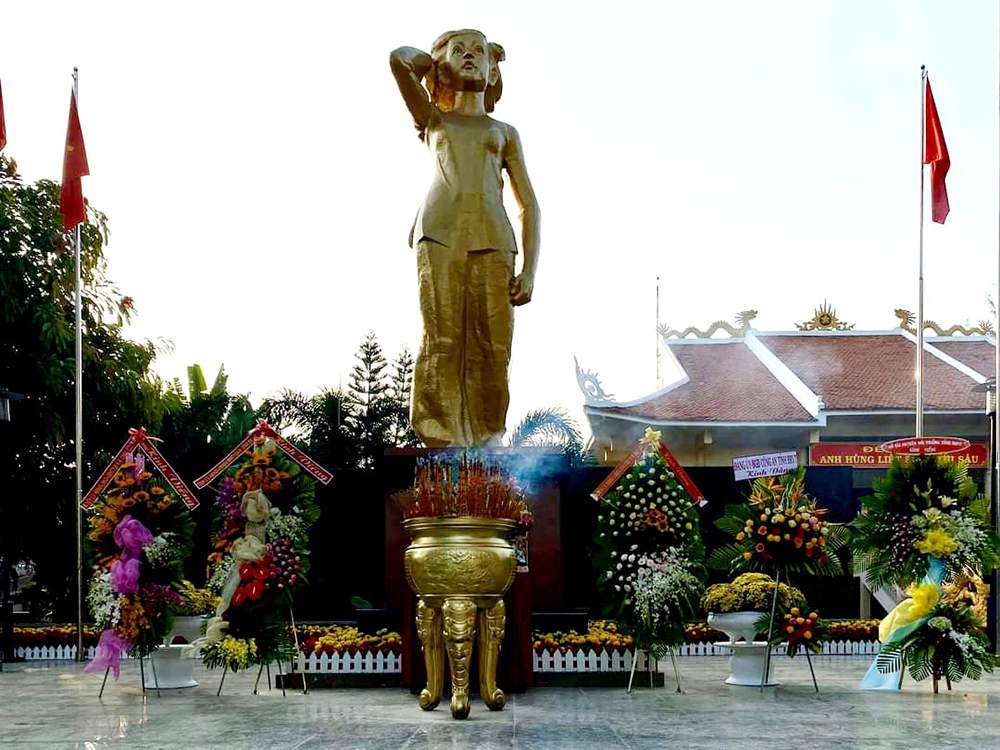
- Le Gio Co Sau (mid-year): Commemoration of national heroine Vo Thi Sau.
- Turtle Nesting Season (May–October): Night tours available on Bay Canh and Hon Cau.
- Tet (Lunar New Year): Quiet but deeply spiritual, with locals visiting temples.
Best Things to Do in Con Dao
From solemn memorials to pristine beaches and turtle conservation sites, Con Dao is where history and nature come together.
1. Explore the Prison Complex
Step inside French-era prison blocks, including the notorious “tiger cages” and visit the museum, which holds over 2,000 photos and artifacts. Guided tours bring context to a powerful chapter of Vietnam’s history.
2. Pay Respects at Hang Duong Cemetery
Final resting place of more than 1,900 soldiers and civilians. In the evenings, locals light incense at the grave of Vo Thi Sau, creating a deeply moving communal atmosphere.
3. Relax on the Beaches
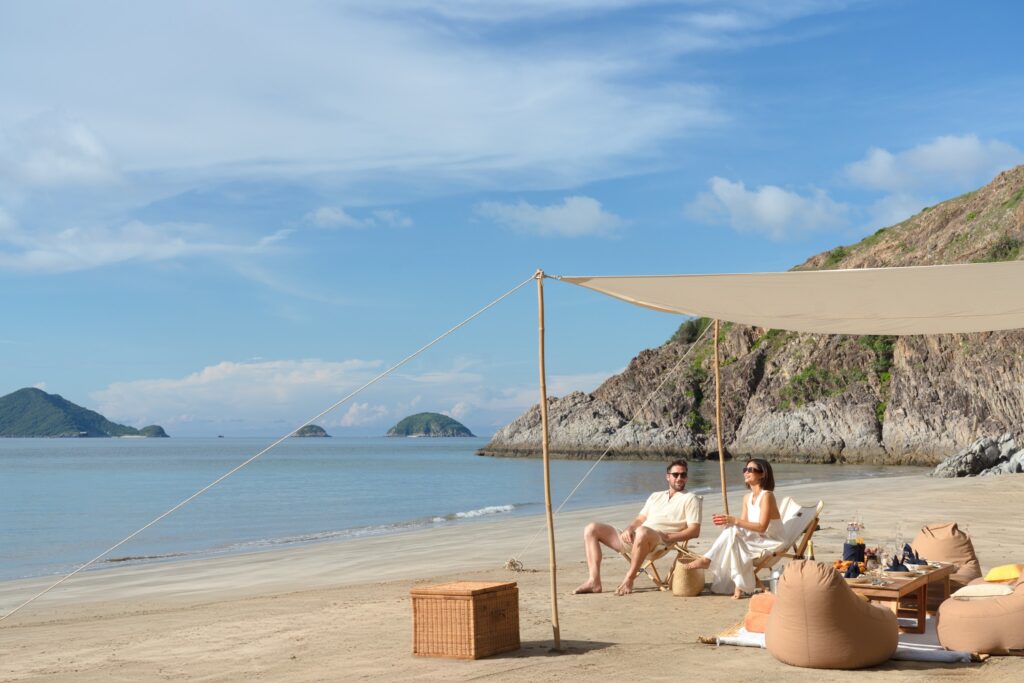
- Dam Trau Beach: Often called the island’s most beautiful stretch of sand, with turquoise waters and golden sand framed by forested cliffs. What makes it extra special? The airport is nearby, so you can capture the thrilling sight of a plane flying just overhead as it lands—a perfect moment for photos.
- Lo Voi Bay: A peaceful bay near town; best at low tide for local life scenes.
- An Hai Beach: Calm seas and a working pier framed by mountains.
- Hot Springs Beach: Stays calm even in the windy season.
4. Dive & Snorkel in the Marine Park
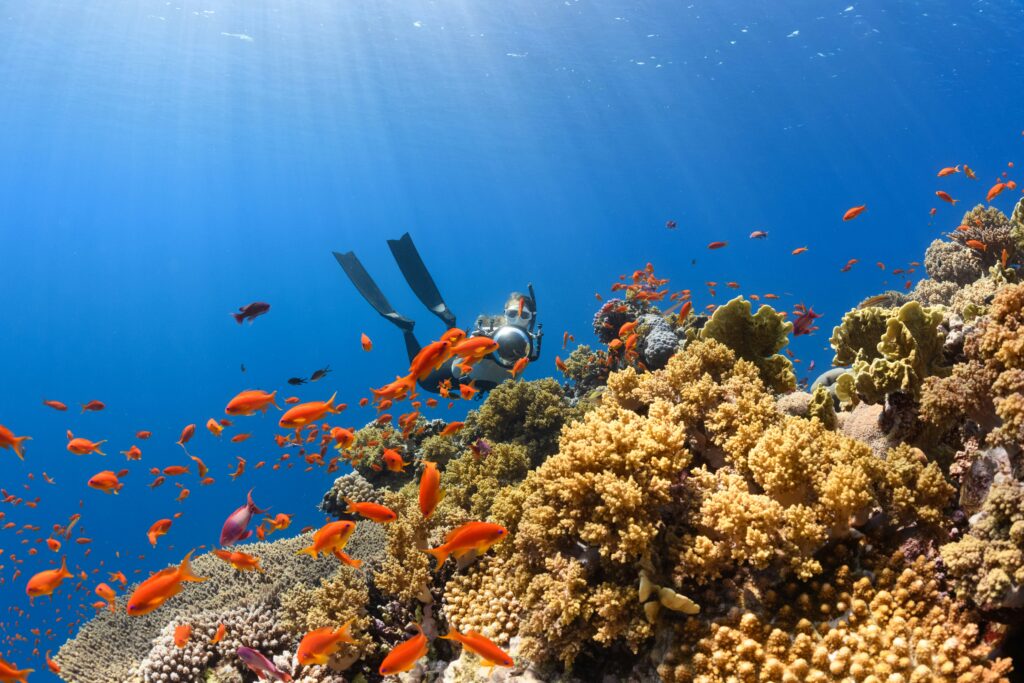
Home to some of Vietnam’s richest coral reefs, Con Dao’s waters invite exploration around Hon Tai, Bay Canh, and Hon Cau. Spot tropical fish, sea turtles, and sometimes even a dugong. Visibility is best from March to late September.
5. Witness the Turtle Nesting Season
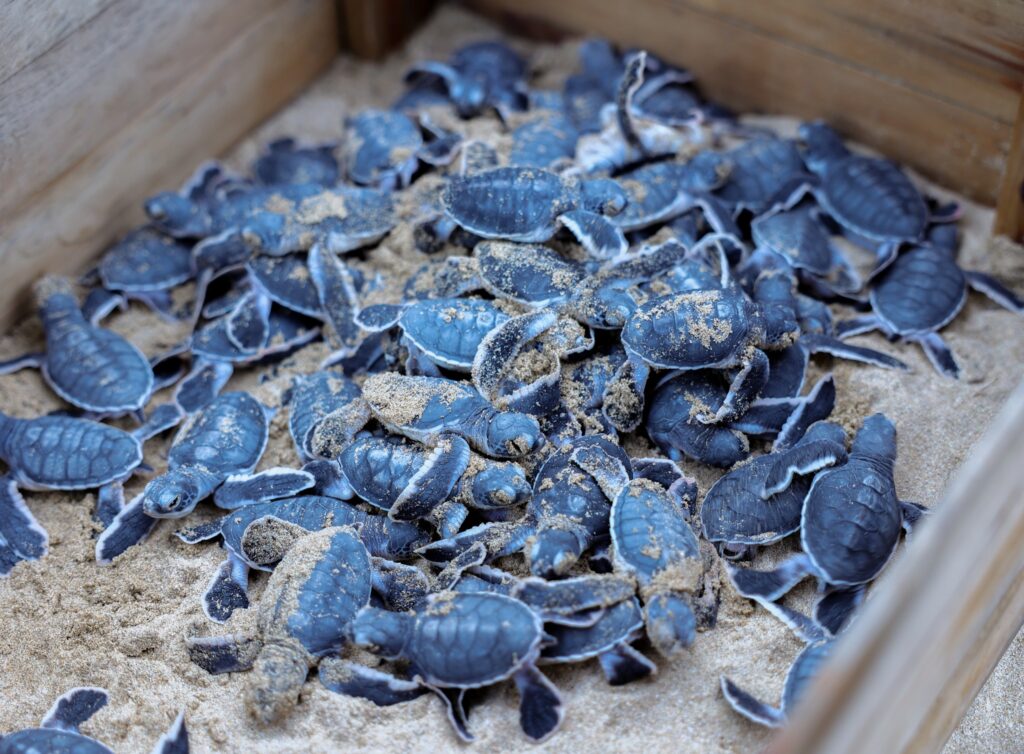
From April to October, endangered green and hawksbill turtles lay eggs on sandy beaches. Ethical night tours to Bay Canh Island let you see nesting and hatching—eggs take 45–60 days to hatch, so baby turtles often appear through October and November.
6. Hike Through Con Dao National Park
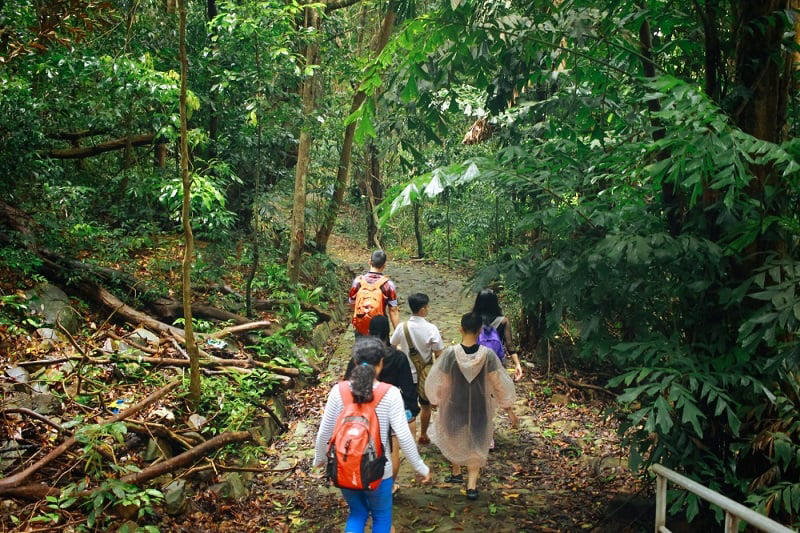
Trek from the park centre to An Hai Lake and Thanh Gia Mountain for panoramic views. Other trails lead to Dam Tre Bay, Ma Thien Lanh Bridge, and Duc Me Cave. Go with a guide for insights into wildlife and history.
7. Visit Sacred Sites
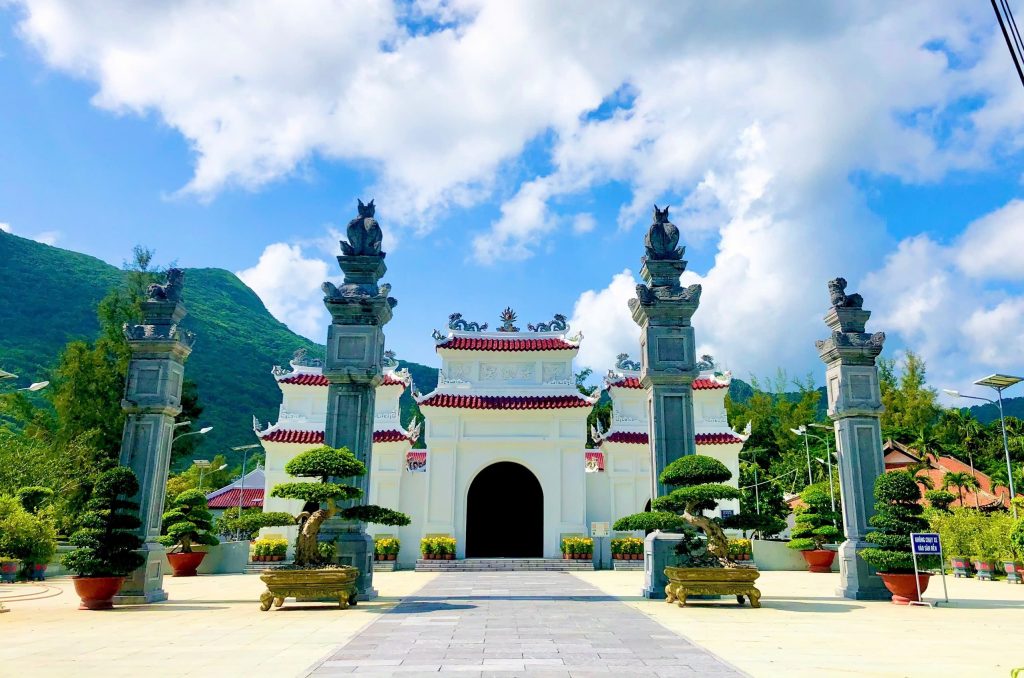
- An Son Temple (Mieu Ba Phi Yen): Dedicated to Lady Phi Yen, with an annual ceremony on the 18th day of the 10th lunar month.
- Van Son Pagoda: Built in the 1960s, perched on a hilltop with sweeping views.
8. Explore Fishing Villages
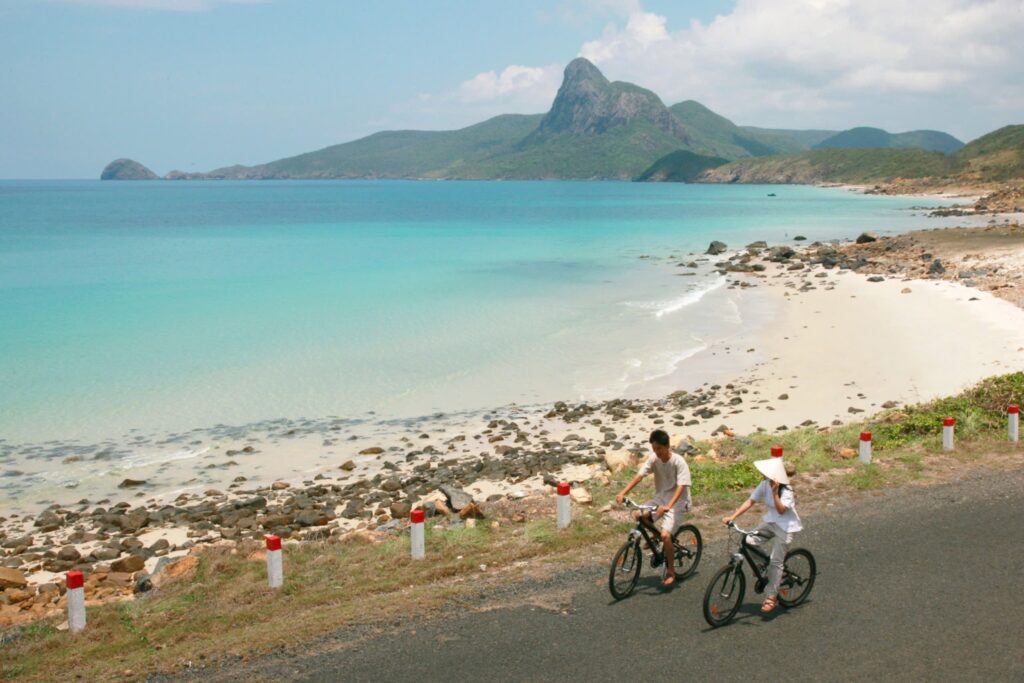
Cycle to Co Ong and Ben Dam to see fishermen at work and taste fresh, grilled seafood. Morning markets brim with squid, crabs, and tropical fruit.
Where to Stay in Con Dao
Con Dao’s accommodation scene is small but growing fast, ranging from five-star island resorts to simple guesthouses in Con Son town
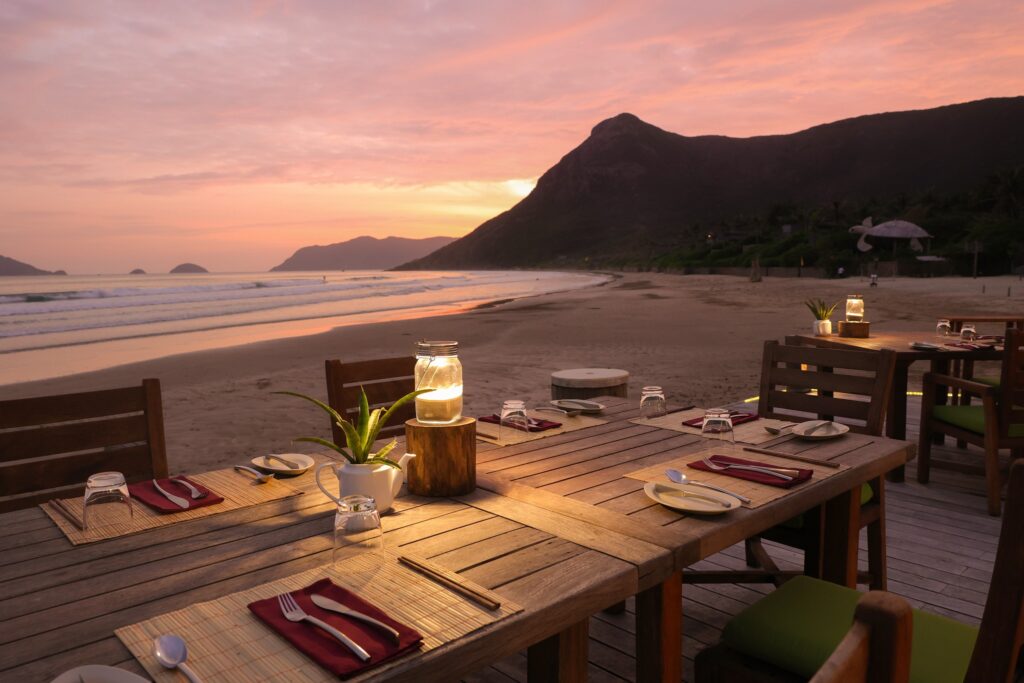
Luxury Beachfront resorts set directly on the national park coastline, offering private villas, ocean-view pools, and direct beach access — ideal for honeymooners and travellers wanting a fully self-contained retreat away from town.
Mid-Range Comfortable hotels in or near Con Son town, typically a short walk or scooter ride from restaurants, the market, and the harbour — a good balance of comfort and convenience for most travellers staying 3–4 days.
Budget & Homestay Family-run guesthouses and homestays scattered around Con Son town offer the cheapest beds on the island and the most authentic contact with local life, though amenities are basic.
Booking tip: Con Dao has limited rooms relative to demand, especially during turtle nesting season (May–October) and Vietnamese public holidays. Book accommodation and flights together, and as early as possible — or let Ginkgo Voyage handle it for you. We know which properties are worth the price and can match a stay to your style and budget.
What to Eat in Con Dao
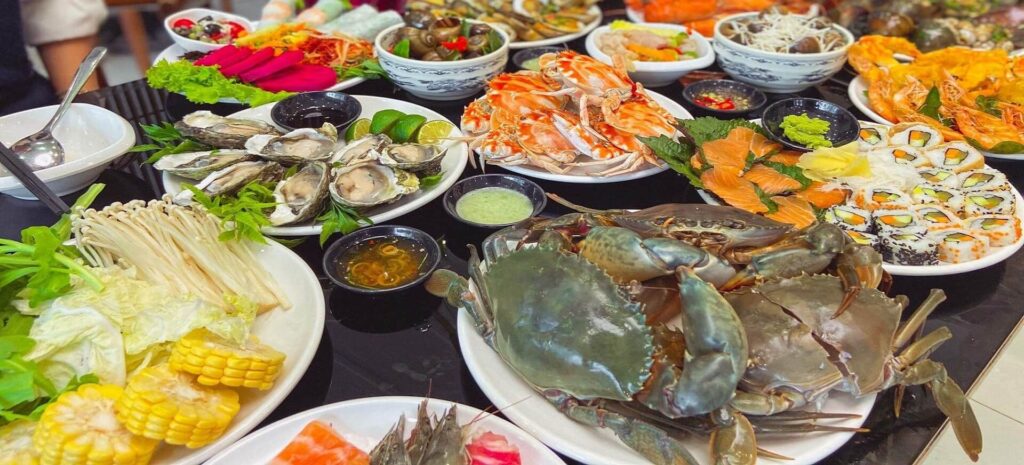
Fresh seafood and bold island flavors make Con Dao a true paradise for food lovers.
Chao nhum (Sea urchin porridge)
A warm porridge rich in ocean flavors, often enjoyed as a nourishing local delicacy.
Ca mu do (Grouper)
Freshly caught and best served steamed or grilled, this prized fish is tender and flavorful.
Mam nhum (Fermented urchin sauce)
A unique dipping sauce with bold, umami notes, often paired with rice or seafood.
Tom hum (Lobster)
Juicy and sweet, Con Dao lobsters are a must-try, grilled or steamed with simple seasoning.
Sa sung (Sea worm)
A rare delicacy, usually stir-fried or grilled, offering a chewy texture and briny taste.
Cua mat trang (Moon crab)
Known for its spotted shell, this crab has sweet, tender meat perfect for steaming.
Mut hat bang (Sea almond candy)
A crunchy, nutty snack made from roasted sea almonds, often enjoyed as a local souvenir.
Ca thu mot nang (Semi-dried mackerel)
Sun-dried for a day, this fish keeps its fresh taste while gaining a smoky aroma.
Goi ca mai (White sardine salad)
A refreshing dish with thinly sliced raw sardines, lime, and herbs for a light, zesty flavor.


Travel Tips for a Smooth Trip
We want your trip to be as incredible as possible, so here are a few insider tips:
- Book early: Flights & ferries sell out quickly in turtle season.
- Pack smart: Sturdy shoes for hikes, modest clothes for memorials.
- Be flexible: Weather can delay ferries—flying is safer if on a tight schedule.
- Rent a motorbike – The best way to explore hidden beaches and fishing villages at your own pace.
- Sun & sea care – Bring reef-safe sunscreen and stay hydrated under the tropical sun.
- Respect wildlife: Keep distance from turtles, no flash photography.
Why Con Dao Outshines Overdeveloped Destinations
Con Dao is not just a beach destination — it’s an island with a soul. For decades, its isolation kept it protected from the hyper-commercialisation seen in places like Phu Quoc. Here, you won’t find rows of concrete mega-resorts blocking the sunset. Instead, you’ll drive down completely empty coastal roads lined with century-old terminalia (Cay Bang) trees.
Beyond the reefs, the island carries a deep, poignant history. A visit to the historic Con Dao Prison system offers a grounding, humanising look into the resilience of the human spirit — making a trip here a blend of raw natural beauty and deep historical reflection.This is also exactly why we love arranging trips here at Ginkgo Voyage: Con Dao rewards travellers who get the timing and logistics right, and that’s where having a local agent on your side makes the difference between a good trip and a great one.
Where to Go Next?
- Vung Tau: Relaxed seaside city, ferry connections.
- Soc Trang: Khmer temples and cultural hub.
- Can Tho: Floating markets and Mekong charm.
- Ho Chi Minh City: Urban gateway for onward travel.
Not sure where to go next? Let us help you customize your Vietnam Journey
Frequently Asked Questions About Con Dao
Con Dao sits about 230 km off the southern coast of Vietnam, roughly a 45-minute flight or several hours by ferry from Ho Chi Minh City.
3–4 days is enough to cover the main beaches, historic sites, and nature highlights. Divers, wildlife lovers, or anyone wanting a slower pace should plan for 5 days or more.
Turtle nesting season runs from May to October, with ethical night tours available on Bay Canh and Hon Cau islands. Hatchlings often appear through October and November.
Yes, Con Dao is widely considered one of Vietnam’s best diving destinations, with protected coral reefs around Hon Tai, Bay Canh, and Hon Cau. Visibility is best from March to September.
For over a century, Con Dao was known as “Devil’s Island,” Indochine’s largest penal colony. The preserved prisons, including the notorious tiger cages, and Hang Duong Cemetery are now solemn but important historical sites open to visitors.
Options range from beachfront luxury resorts within the national park to mid-range hotels in Con Son town and budget homestays. Rooms are limited, so book well in advance, especially during turtle season (May–October)
Tours in Con Dao
Con Dao Beach Excursion
Escape to the untouched beauty of the Con Dao archipelago on this 3-day journey where history and nature meet from Ho Chi Minh City