

Introduction to Ha Giang
Ha Giang is Vietnam’s final frontier—a land where limestone peaks pierce the clouds and roads wind like ribbons through deep valleys. Located in the far north bordering China, this province offers some of the most dramatic scenery in Southeast Asia.
But the landscape is only half the story. Ha Giang is home to a rich tapestry of ethnic minority communities—Hmong, Tay, Dao, and Lo Lo—who have cultivated these steep slopes for centuries. Here, life follows the rhythm of the seasons. You’ll see colorful traditional dress at weekly markets, terraced fields turning golden in autumn, and stone fences guarding humble homes on the rocky plateau.For travelers, the journey here is about more than just sightseeing; it’s about immersion. Whether you are navigating the famous Ha Giang Loop or trekking through remote villages, this region rewards those willing to venture off the beaten path.
Quick Facts about Ha Giang
Before diving into details, here’s a quick snapshot to help you understand what makes Ha Giang such a worth experiencing destination.
| Category | Details |
|---|---|
| Location | Northernmost province of Vietnam, bordering China; about 300 km north of Hanoi (6–7 hours by road) |
| Airport | Nearest: Noi Bai International Airport (Hanoi) |
| Best Known | Terraced rice field, Majestic Loop, Ethnic Culture |
| Climate | Mountainous climate; cool–cold winters, mild summers. Best scenery in Sep–Nov (dry, golden rice terraces) and Mar–Apr (flowers, pleasant weather). |
| Ideal Stay | 3–4 days for main highlights; 5–6 days for the full Ha Giang Loop |
| Popular Areas | Ha Giang City, Dong Van, Meo Vac, Yen Minh, Quan Ba, Ma Pi Leng Pass, Lung Cu Flag Tower |
| Travel Style | Trekking, cultural immersion, nature retreats |
| Best time to visit | Sep–Nov (dry, clear skies, rice terraces) & Mar–Apr (flower season, comfortable temperatures) |
| UNESCO | Dong Van Karst Plateau (UNESCO Global Geopark) |
What makes Ha Giang Special?
- Ha Giang has exploded in popularity recently, but it is still a developing frontier. While Ha Giang City offers more modern amenities, the stops along the loop—such as Quan Ba, Yen Minh, Dong Van, and Meo Vac—are still catching up.
- Expect Rustic Charm: Most accommodations are local homestays or modest guest houses.
- Comfort, Not Luxury: You will find clean, comfortable places to sleep with style and warm hospitality, but do not expect 4, 5-star luxury or deluxe resorts. The luxury here is the landscape right outside your window.
- The Ha Giang Loop is a road trip in the truest sense. The scenery is breathtaking, but earning those views requires long hours in the vehicle.
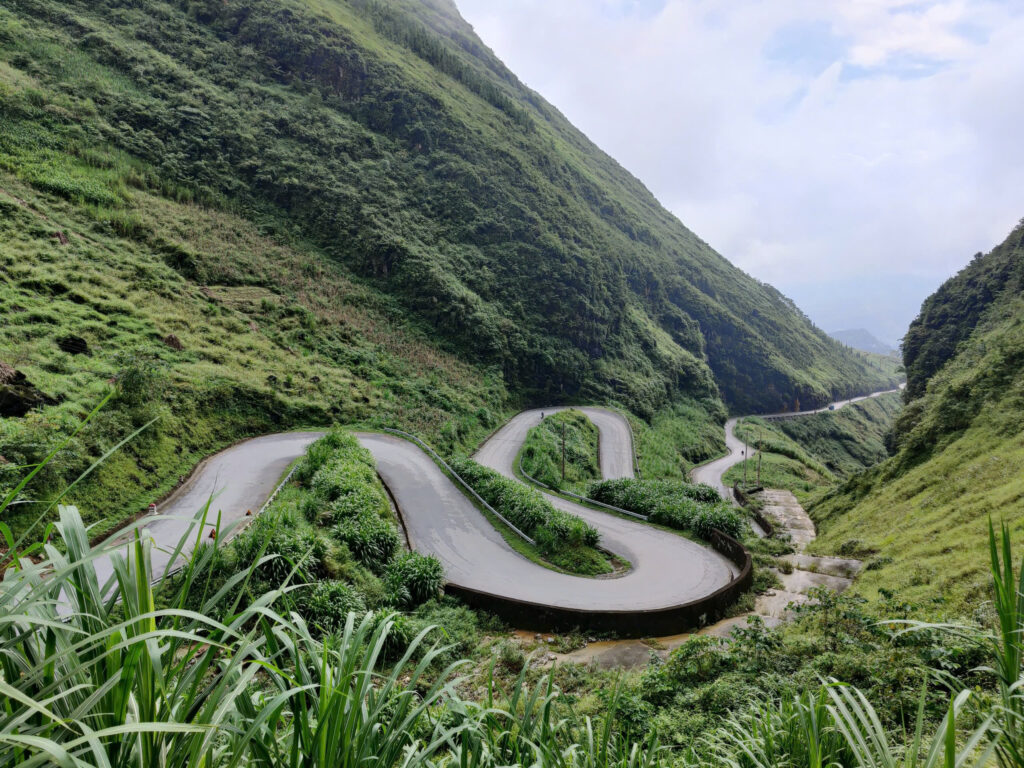
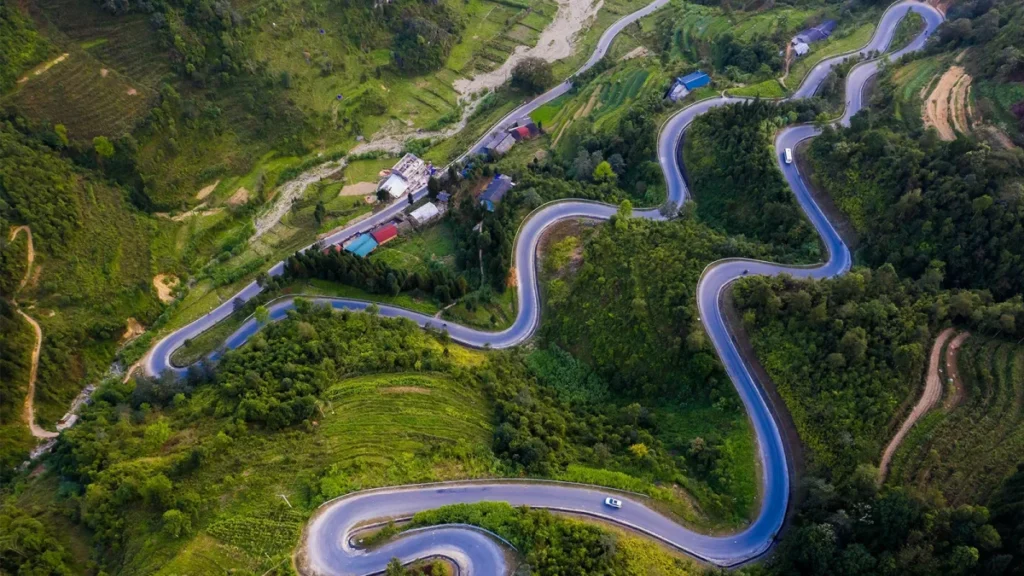
- Winding Roads: The passes are incredibly twisting and steep (which makes them beautiful!).
- Motion Sickness: If you travel by car and are prone to car sickness, this trip can be tough. We recommend bringing medication, sitting in the front seat, and taking frequent breaks to breathe the fresh mountain air.
- The Dong Van Karst Plateau: Recognized as a UNESCO Global Geopark, the Dong Van Karst Plateau is the geological heart of the province. It is a mesmerizing landscape of jagged black limestone rocks that stretch as far as the eye can see. This “rocky plateau” is not barren; it is alive with the resilience of local people who grow corn in pockets of soil between the stones.
- Majestic Mountain Passes: Ha Giang is defined by its roads. The most legendary is the Ma Pi Leng Pass, known as the King of Passes in Vietnam. Carved into the side of a cliff, it offers vertigo-inducing views down to the emerald Nho Que River far below. It is a masterpiece of engineering and nature combined.
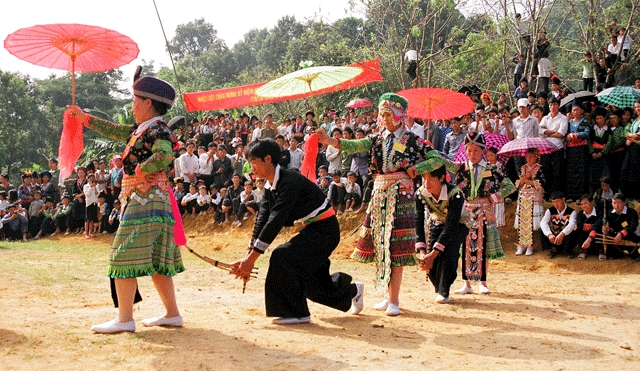
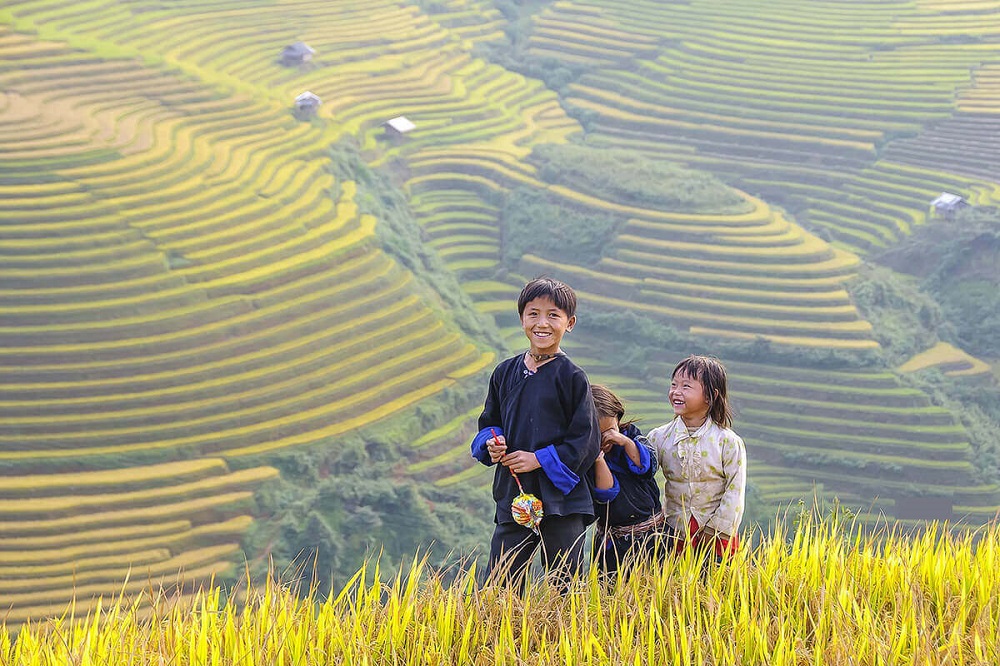
- Ethnic Diversity & Culture: The province is a living museum of cultural heritage. In villages like Lung Cam or Nam Đam, you can witness traditions that have remained largely unchanged for generations. From the intricate hemp weaving of the Hmong to the distinct black turbans of the Dao, every village has its own identity.
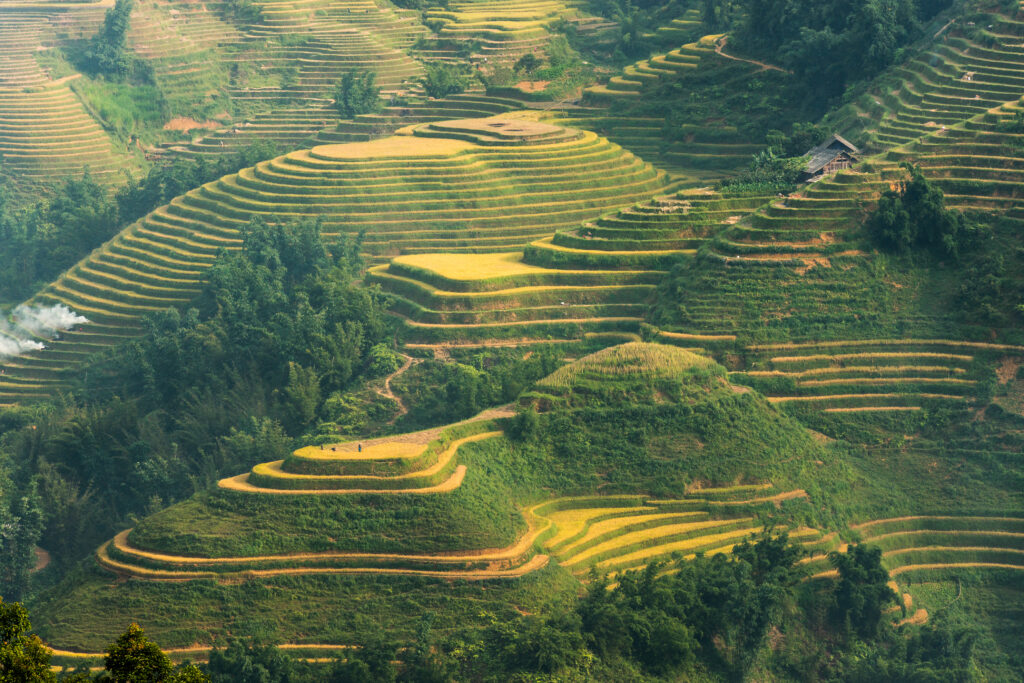
- Terraced Rice Fields: While Sapa is famous for terraces, Ha Giang’s Hoang Su Phi district holds its own with cascading rice fields that are arguably even more impressive—and certainly less crowded. These terraces, carved by the Dao and La Chi people, are a National Heritage site and turn into a golden sea during the harvest season.
How to plan a trip to Ha Giang
How long to stay
- 3–4 days: The classic timeframe to complete the Ha Giang Loop, passing through key highlights such as Quan Ba, Yen Minh, Dong Van, and Meo Vac while experiencing the region’s dramatic mountain landscapes and ethnic villages.
- 5–6 days: Ideal if you prefer a slower, more immersive journey. Extra time allows you to extend toward Hoang Su Phi to see its renowned rice terraces or add short treks and village visits without rushing between stops.
Best time to visit Ha Giang
| 🌦️ Season | ⛅️ Weather | ⛱️ Best for | 📌 Note |
|---|---|---|---|
| September – October | Cool, dry, excellent visibility; harvest season across the mountains | Experiencing The Golden Season with rice terraces at their most stunning; photography | Peak domestic travel period; roads and viewpoints crowded on weekends. Travel on weekdays and book stays early. |
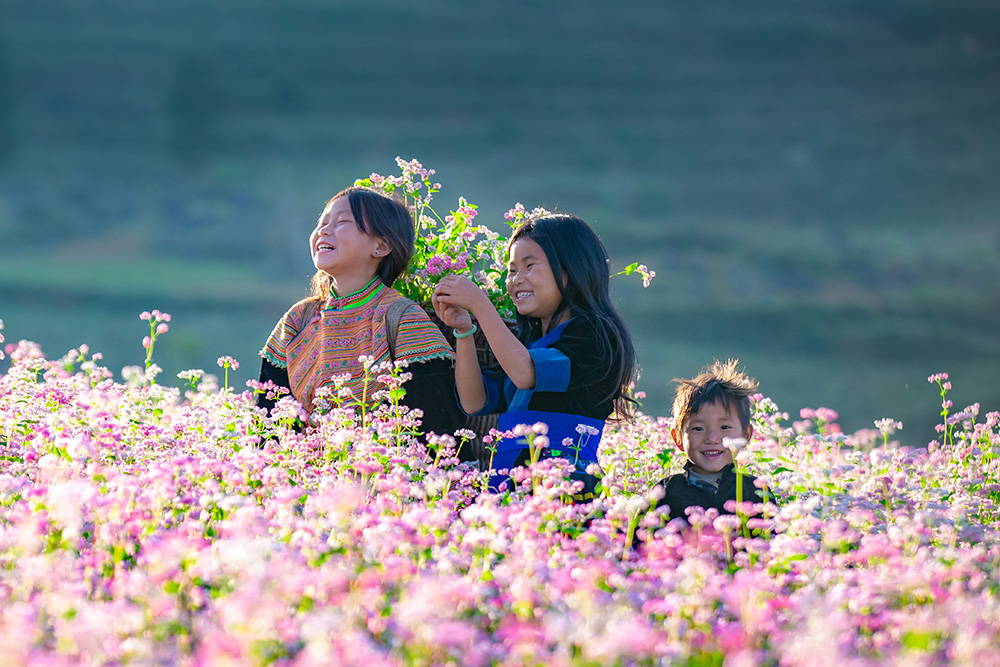
| October – November | Crisp air, stable temperatures | Seeing Buckwheat Flower Season (Tam Giac Mach) turning the rocky plateau pink & purple | Very popular festival period; expect crowds, especially in Dong Van & Meo Vac. |
| December – January | Cold, misty, sometimes frosty at high altitudes | Viewing mustard flower fields and experiencing Ha Giang’s quiet winter landscapes | Temperatures can drop significantly; pack proper winter clothing. Fog may limit visibility. |
| March – April | Mild, fresh spring weather | Enjoying peach & plum blossoms covering the hills in white and pink | One of the easiest seasons for driving the Loop; great for landscape photography. |
Money & Connectivity
- Cash is King: While hotels in Ha Giang City might accept cards, cash is essential for homestays, meals, and petrol in the mountains. ATMs are scarce outside the main towns (Dong Van, Meo Vac).
- Connectivity: Viettel has the best coverage in these remote mountains. Buy a SIM card in Hanoi before you depart.
Local etiquette
Vietnamese culture is warm and welcoming, and a little cultural awareness goes a long way. Here are a few tips to help you travel respectfully
- Ask Permission: Always ask before taking photos of locals, especially older generations.
- Dress Modestly: When visiting villages or schools, avoid overly revealing clothing.
- Respect Homes: If invited into a local home, remove your shoes and follow your host’s lead. Do not sit with your back to the family altar.
- Support Locals: Buy handicrafts directly from the makers in the villages rather than mass-produced souvenirs in town.
- When in doubt, follow the locals — and don’t be afraid to ask. Vietnamese people are happy to share their customs if you show interest.
Getting to Ha Giang
- By Private Car: For comfort and flexibility, a private transfer is ideal. It allows you to stop for photos along the way and sets your own schedule
- By Bus: The most common way to reach Hà Giang is by sleeper bus or “limousine” van from Hanoi.
- By Motorbike: The classic way to experience the Ha Giang Loop. You can rent a bike in Hanoi or in Ha Giang City. Important: You must have a valid International Driving Permit (IDP) to ride legally. Police checks are common.
Planning ahead? Many travelers require a visa to enter Vietnam. Check our Vietnam Visa Guide here to see if your country is on the visa-required list and how to apply quickly.
Local festivals & events
- Buckwheat Flower Festival (Oct/Nov): Celebrating the region’s signature flower with art performances and food stalls in Dong Van.
- Khau Vai Love Market (Lunar March 27th): A unique century-old festival where ex-lovers meet once a year to catch up, sanctioned by their current spouses. It’s a touching display of human connection.
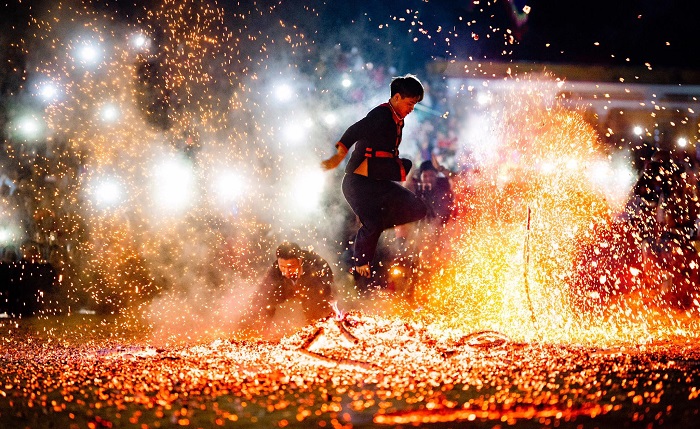
- Fire Dancing Festival (Pà Thẻn People): Held during harvest or New Year (Oct-Jan), where spiritual mediums dance barefoot on glowing red coals.
Best Things to Do in Ha Giang
Where winding mountain passes meet remote ethnic villages and landscapes shift with every turn, Ha Giang promises some of Vietnam’s most breathtaking adventures.



1. Conquer the Ma Pi Leng Pass
Ride or drive along this 20km stretch of road. Stop at the viewpoint to gaze down at the abyss and the Nho Que River winding like a thread through the canyon.
2. Boat Ride on Nho Que River
Descend from the pass to the riverbank for a boat trip through Tu San Alley, the deepest canyon in Southeast Asia. The towering cliffs on either side are awe-inspiring.
3. Explore the Hmong King’s Palace (Dinh Vua Meo)
Located in Sa Phin valley, this century-old mansion is a blend of Chinese, Hmong, and French architecture. It offers a fascinating glimpse into the life of the Vuong family, who once ruled this region.
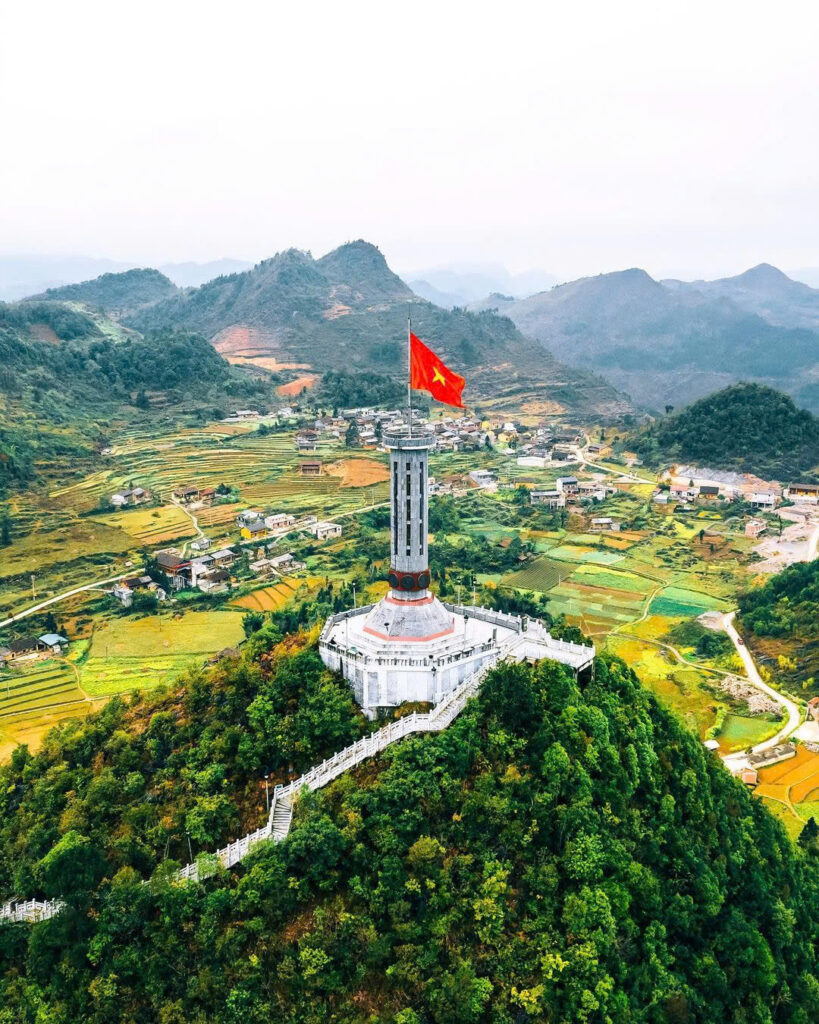
4. Visit Lung Cu Flag Tower
Climb the steps to the northernmost point of Vietnam. From the top of the tower, you can see across the border into China and admire the panoramic views of the countryside.
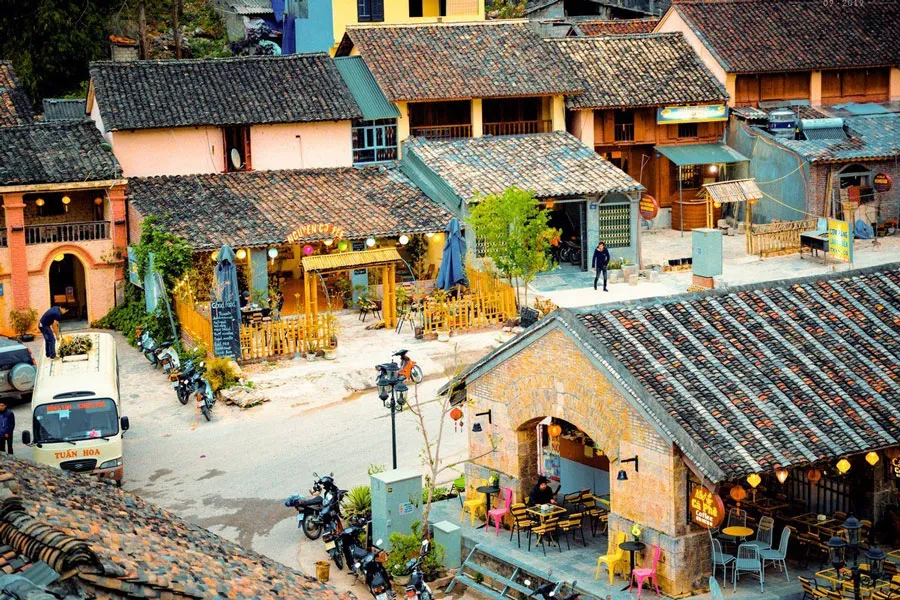
5. Wander Dong Van Old Quarter
A small cluster of ancient houses with clay walls and yin-yang tiled roofs. It’s atmospheric at night with lanterns and local coffee shops.
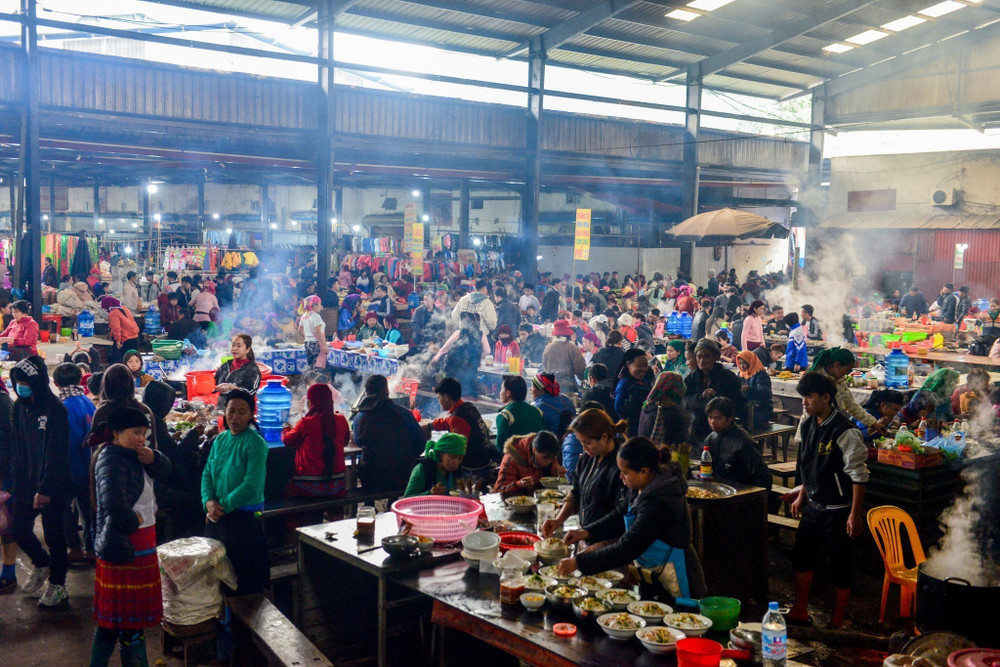
6. Experience a Sunday Ethnic Market
The markets in Dong Van or Meo Vac (Sunday mornings) are riots of color. Villagers descend from the mountains to trade cattle, wine, and farming tools. It’s the best place to see authentic local life.
7. Trek in Hoang Su Phi
Head west to Hoang Su Phi for trekking among the national heritage rice terraces. Stay in a homestay with the Red Dao people and enjoy a traditional herbal bath.
8. Marvel at Quan Ba Twin Mountains
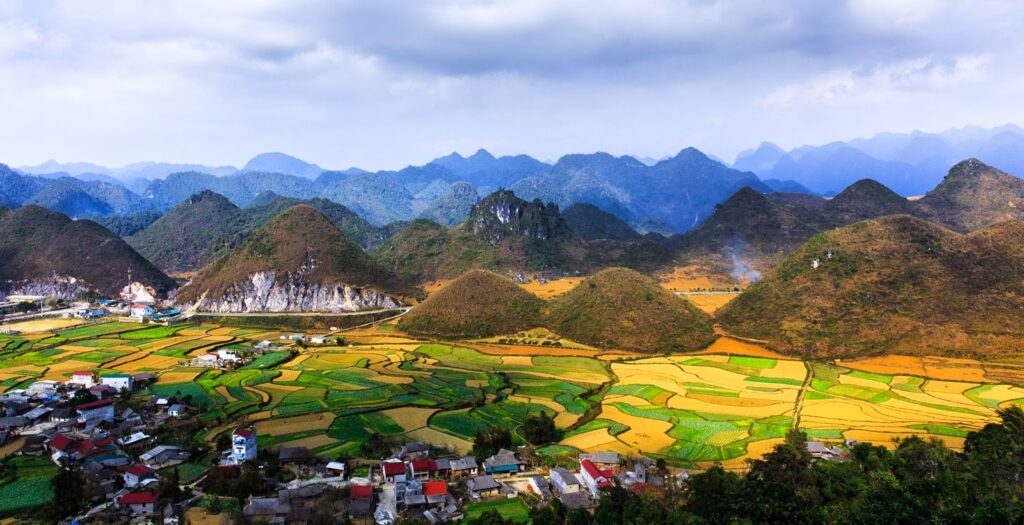
Stop at the Heaven’s Gate (Cong Troi) in Quan Ba to see the Fairy Bosom mountains—two perfectly round limestone hills associated with a touching local legend.
9. Discover Yen Minh Pine Forest
Located between Dong Van and Yen Minh, this pine forest offers a quiet contrast to Ha Giang’s rocky landscapes. Tall pine trees line the road, with cool air and soft light filtering through the canopy—ideal for a slow walk, short photo stop, or a peaceful break during the northern loop journey.
Want to experience it with expert guidance? Join with Ginkgo Voyage to explore Ha Giang and beyond: Comfortable transport, insightful stories, and everything arranged for a meaningful visit.
What to Eat in Ha Giang
In the rugged northern mountains, Ha Giang’s cuisine is simple, hearty, and shaped by the life of ethnic communities. From smoky grills to rustic highland specialties.
- Thang Co: A traditional soup made from horse meat and organs, simmered with mountain herbs. A bold dish for adventurous eaters.
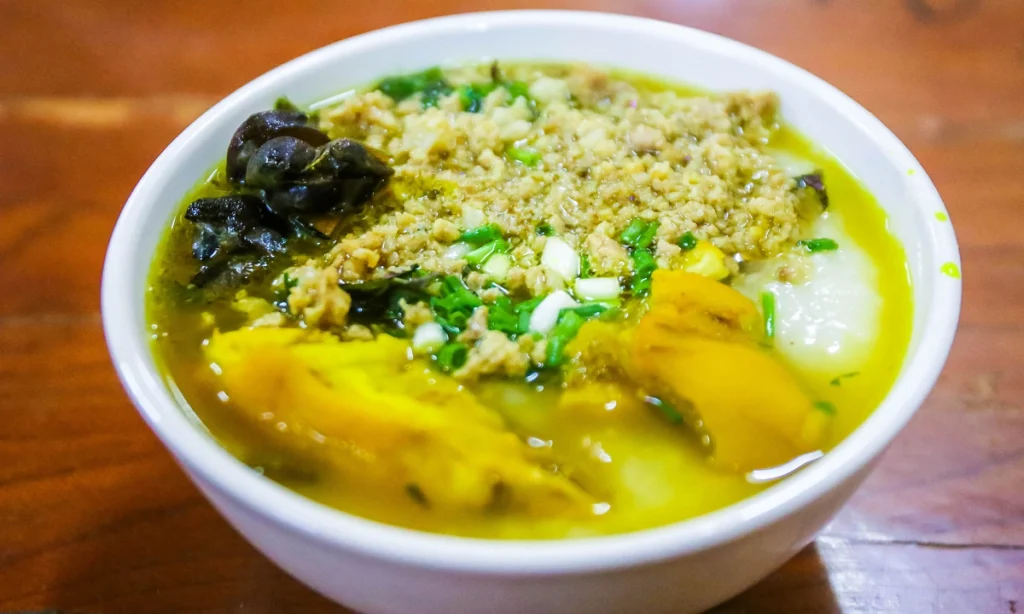
- Au Tau Porridge (Chao Au Tau): Made from the poisonous aconite root (rendered safe through long cooking), this porridge is known for its healing, sleep-inducing properties.
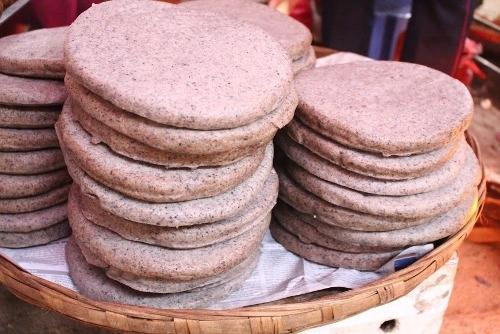
- Buckwheat Cake (Banh Tam Giac Mach): Small, grilled cakes made from buckwheat seeds—a simple, nutty snack found at markets.
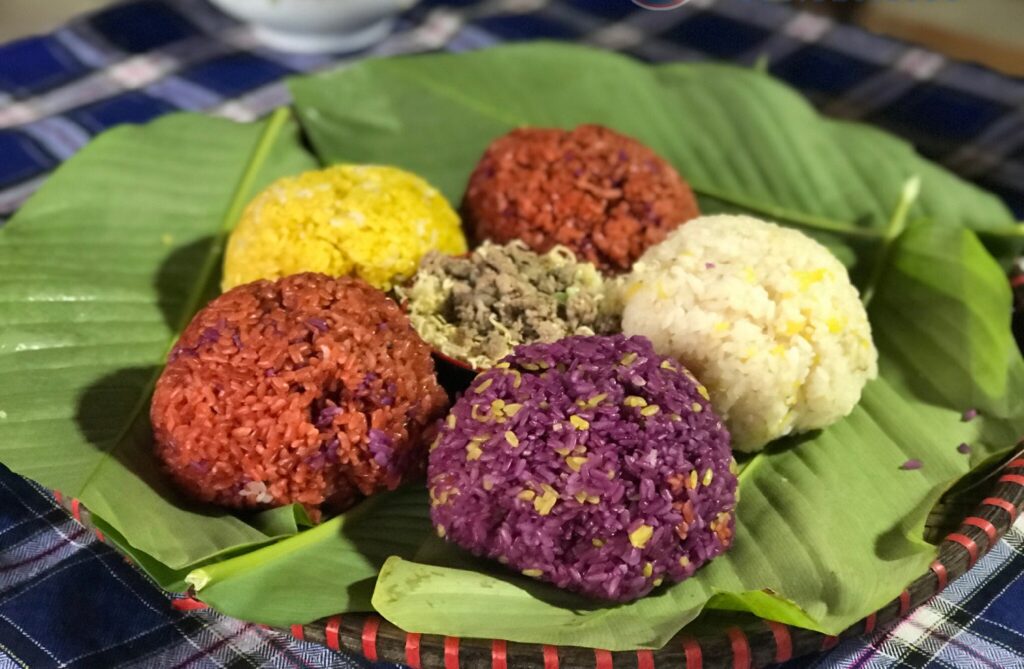
- Five-Color Sticky Rice (Xoi Ngu Sac): Glutinous rice dyed with natural plant extracts to create five symbolic colors.
- Corn Wine (Ruou Ngo): The local spirit of choice, often shared during meals and market days.
Tips for a smooth trip
- Dress in layers: Temperatures shift quickly between valleys and high elevations.
- Footwear Matters: If you plan to trek, bring sturdy shoes with good grip. The clay paths can be incredibly slippery when wet.
- Book Early in Golden season: September and October attract huge crowds of photographers. Secure your accommodation months in advance.
- Respect local customs: Always ask before photographing people or entering homes.
- Respect the Culture: When buying goods from street vendors (often young children), be kind but mindful. Supporting education initiatives is often better than buying trinkets from kids during school hours.
- Try local markets early: Around 5 – 6AM in the morning for the freshest food and most vibrant atmosphere.
- If you prefer a worry-free experience, consider joining a guided tour for safer transport and deeper cultural insights.

Discover history, food, and hidden corners with us
Where to Go Next?
- Cao Bang: Head east to see the magnificent Ban Gioc Waterfall, the largest waterfall in Vietnam.
- Ba Be Lake: Visit the serene freshwater lake in Bac Kan province for boat trips and kayaking.
- Ha Long Bay: A UNESCO World Heritage wonder. We recommend booking a luxury overnight cruise to drift among the limestone karsts in style and relaxing after a long journey.

Not sure where to go next? Let us help you customize your Vietnam Journey
Tours in Ha Giang
Across Vietnam
18-day journey through Ho Chi Minh city – Mekong Delta – Hoi An – Hue – Phong Nha – Hanoi – Ha Giang – Meo Vac – Ba Be – Halong Bay