

Introduction to Cao Bang
Cao Bang is a land of dramatic beauty, where limestone karsts rise sharply above emerald valleys and rivers glow a shade of jade you rarely see elsewhere. Tucked in Vietnam’s far northeast, this frontier province borders China and carries a quiet sense of timelessness.
While many travelers head straight to the Ha Giang Loop, Cao Bang offers a more serene and equally captivating landscape. It’s home to Ban Gioc Waterfall — the largest waterfall in Vietnam — along with the legendary Pac Bo Historical Site. Whether you’re trekking through Tay and Nung villages or drifting along the Quay Son River, Cao Bằng feels like stepping into a living ink painting.
Quick Facts about Cao Bang
Before diving into details, here’s a quick snapshot to help you understand what makes Cao Bang such a worth experiencing destination.
| Category | Details |
|---|---|
| Location | Northeast Vietnam (bordering China) |
| Ideal Stay | 3–4 days for main highlights; 5–6 days for the full Hà Giang Loop |
| Best known | Ban Gioc Waterfall, limestone karsts, serene rivers |
| Popular areas | Ban Gioc Waterfall, Nguom Ngao Cave, Pac Bo Historical Site, Phong Nam Valley |
| Travel style | Nature exploration, cultural discovery, scenic road trips |
| Climate | Mild summers, cool winters; rainy season from May–Sep |
| Ideal stay | 2–3 days |
| UNESCO | Non Nuoc Cao Bang UNESCO Global Geopark |
| Best time to visit | September – October (Golden Harvest & Full Waterfalls) |
What’s in Cao Bang
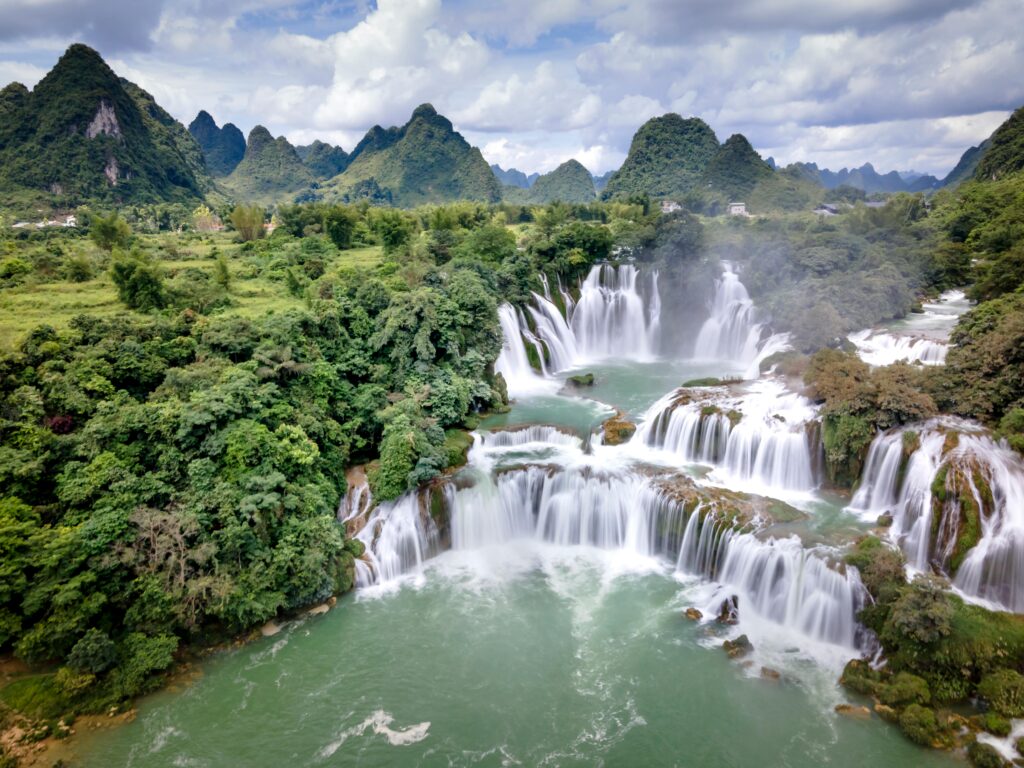
- Ban Gioc Waterfall: You hear Ban Gioc before you see it. A massive wall of water crashing down three tiers of limestone and greenery, it creates a scene of raw natural power. The best way to experience it is on a private bamboo raft, drifting close enough to feel the cool mist on your face—a refreshing and awe-inspiring moment.
- Karst Mountains & Hidden Caves
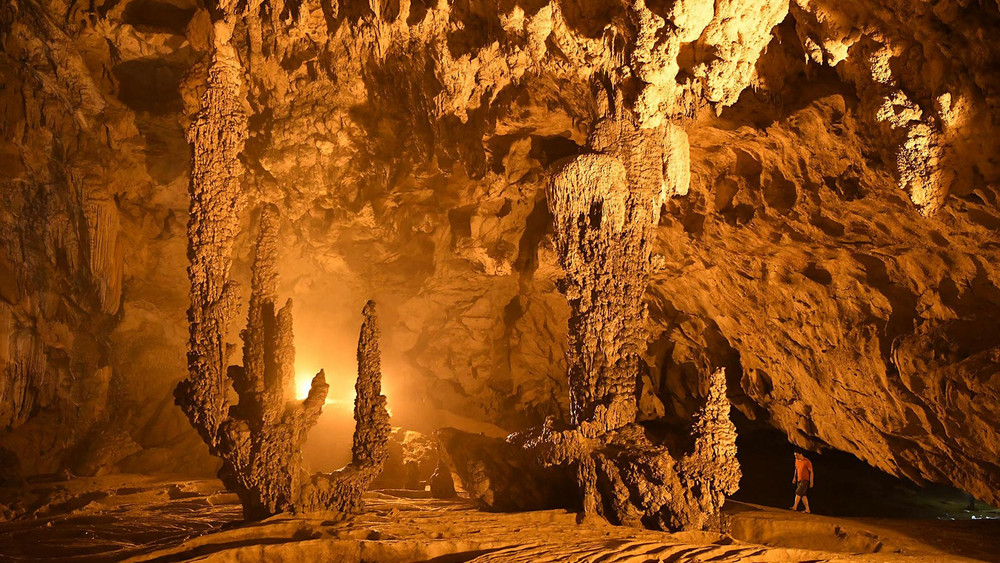
- The landscape here is a masterpiece of “non nuoc”—mountains and water. Hidden inside these limestone giants are spectacular underground worlds. Nguom Ngao Cave is the standout.
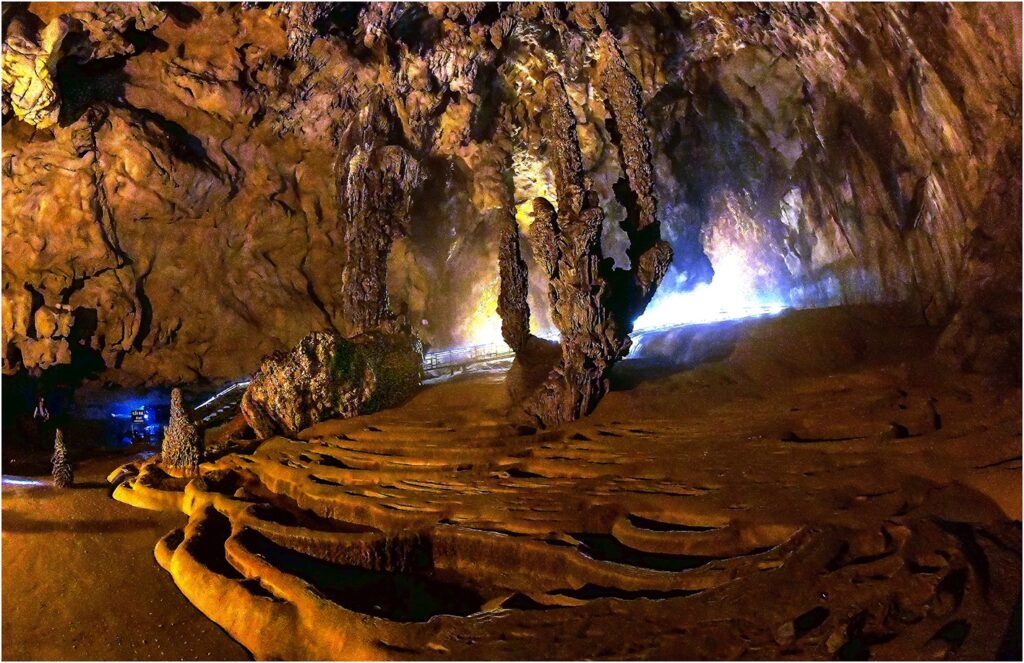
- In the local Tay language, Nguom Ngao translates to “Tiger Cave.” Discovered in 1921, this massive cavern is illuminated to highlight its glittering stalactites and the roaring underground river. It maintains a comfortable, cool temperature year-round, making it a pleasant subterranean walk rather than a strenuous spelunking expedition.
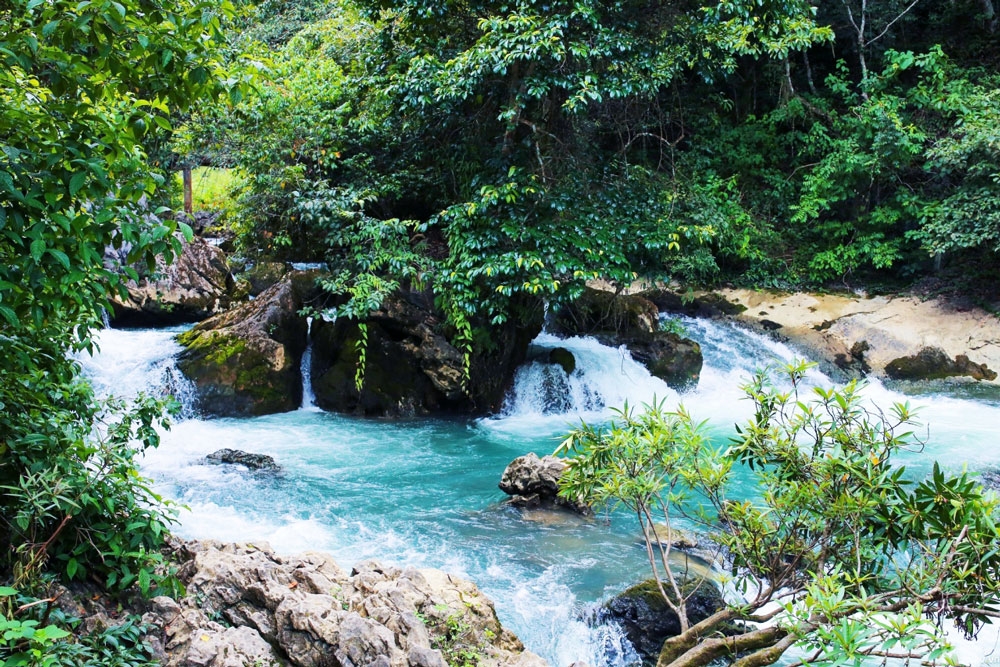
- Pac Bo Historical Site: This is a place of profound peace and history. After 30 years abroad, Ho Chi Minh chose this serene landscape to launch Vietnam’s independence movement. The site is impeccably maintained, with paved paths leading along the Lenin Stream—a waterway so clear and blue it looks like liquid gemstone. It’s a perfect spot for a contemplative walk in nature.
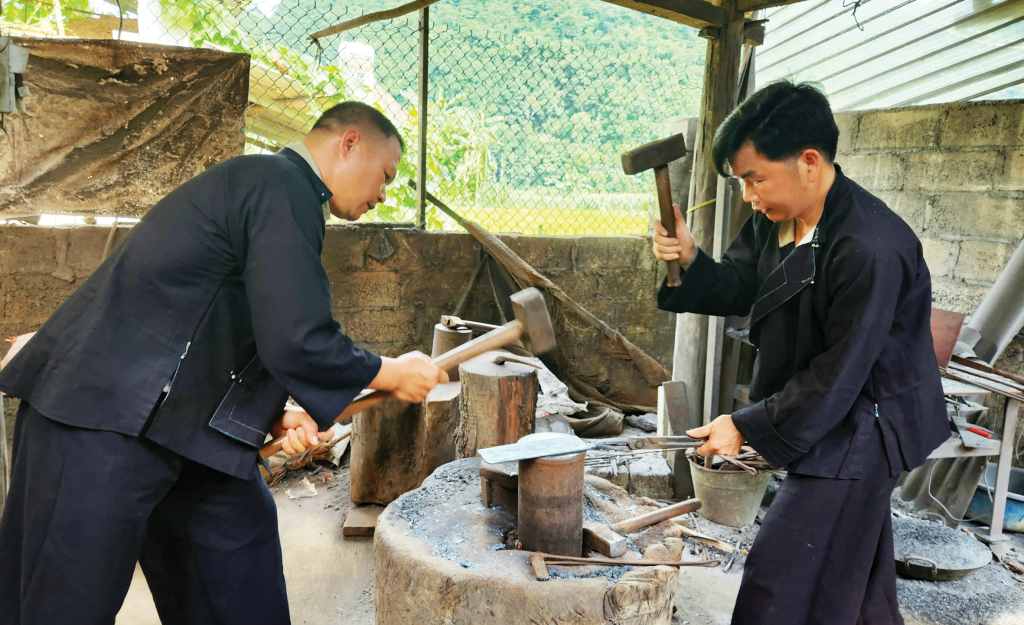
- Ethnic Heritage & Craft Villages: As you travel through the valleys, you’ll see the stilt houses of the Tay and Nung communities nestled against the hills. This region is famous for its artisan villages. The commune of Phuc Sen is a hub of traditional craftsmanship, renowned for its master blacksmiths who forge steel by hand, as well as the ancient art of making traditional paper from tree bark. Nearby in Phia Thap, the air is fragrant with the scent of natural incense drying in the sun.
How to plan a trip to Cao Bang
How long to stay
3 days is ideal. This allows for a relaxed itinerary where you can enjoy a leisurely breakfast by the river, visit the main sites without rushing, and return to your lodge in time for a sunset drink.
Best time to visit Cao Bang
| 🌦️ Season | ⛅️ Weather | ⛱️ Best for | 📌 Note |
|---|---|---|---|
| September – October (The Golden Season) | Cool, dry, clear skies; landscapes at peak color | Seeing golden rice terraces and Ban Gioc Waterfall at its most powerful post–summer rains | This is peak season for photography; book accommodations early. |
| April – May | Mild temperatures, bright skies, stable conditions | Trekking, outdoor sightseeing, and enjoying lush green landscapes | Ideal for travelers who prefer moderate weather and fewer crowds. |
| November – February (Winter) | Cold, misty, sometimes foggy | Experiencing Cao Bằng’s serene winter mood and soft misty scenery | Pack warm layers; visibility may be reduced on foggy days. |
Money & Connectivity
- Cash is Essential: While your hotel or resort will accept cards, smaller local restaurants and village artisans deal strictly in cash. We recommend withdrawing sufficient funds in Hanoi or Cao Bang City before heading to the countryside.
- Connectivity: Viettel offers the best mobile coverage in these mountainous areas, ensuring you stay connected even in remote valleys.
Local etiquette
Vietnamese culture is warm and welcoming, and a little cultural awareness goes a long way.
- Ask Permission: Always ask before taking photos of locals, especially older generations.
- Dress Modestly: When visiting villages or schools, avoid overly revealing clothing.
- Respect Homes: If invited into a local home, remove your shoes and follow your host’s lead. Do not sit with your back to the family altar.
- Support Locals: Buy handicrafts directly from the makers in the villages rather than mass-produced souvenirs in town.
- When in doubt, follow the locals — and don’t be afraid to ask. Vietnamese people are happy to share their customs if you show interest.
Getting to Cao Bang
- By Private Car: For the most comfortable experience, we highly recommend hiring a private car and driver from Hanoi. The drive takes approximately 6-7 hours, but a private vehicle allows you to recline in comfort, control the air conditioning, and stop whenever you wish to capture the stunning mountain vistas.
- By Luxury Limousine Van: A popular and excellent value option is the Limousine Van. These are spacious, modified transit vans with plush, airline-style leather seats, USB ports, and Wi-Fi.
- Getting Around:
- Private Driver: Once in Cao Bang, having a car and driver at your disposal is the best way to explore. You can move between the waterfall, caves, and pagodas in air-conditioned comfort, avoiding the heat and dust.
- Leisure Cycling: Many riverside lodges offer bicycles. Taking a gentle ride through the surrounding rice paddies in the late afternoon is a highlight for many guests.
Planning ahead? Many travelers require a visa to enter Vietnam. Check our Vietnam Visa Guide here to see if your country is on the visa-required list and how to apply quickly.
Best Things to Do in Cao Bang
Cao Bang is a land of dramatic landscapes and quiet cultural beauty—where rivers, karst mountain, cave and ancient craft villages come together.
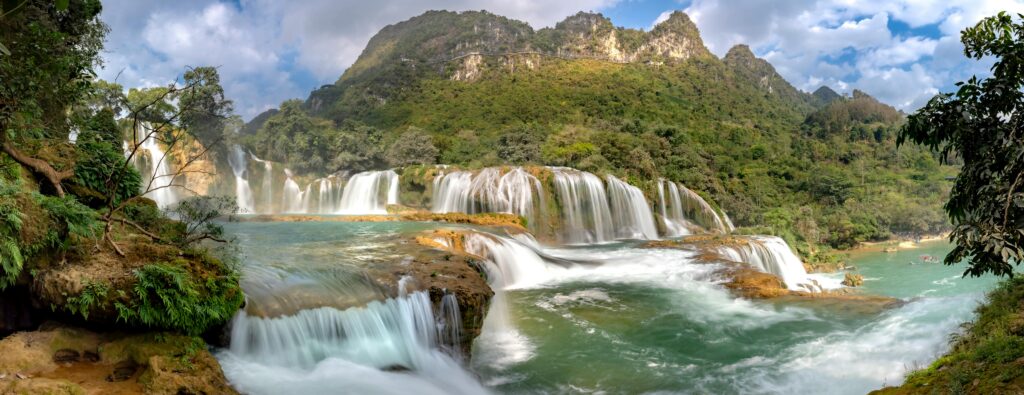
1. Experience Ban Gioc Waterfall
Standing on the Vietnam–China border, Ban Gioc is one of Southeast Asia’s most impressive waterfalls. A bamboo raft ride brings you close enough to feel the cool mist and hear the water thunder down against a backdrop of jungle-covered limestone cliffs.
2. Explore Nguom Ngao Cave
Hidden beneath the mountains near Ban Gioc, this vast cave feels like a natural cathedral. Walk through illuminated chambers of stalactites and stalagmites, including formations locals call the “Upside-down Lotus” and the “Golden Waterfall.”
3. Walk along Lenin Stream at Pac Bo
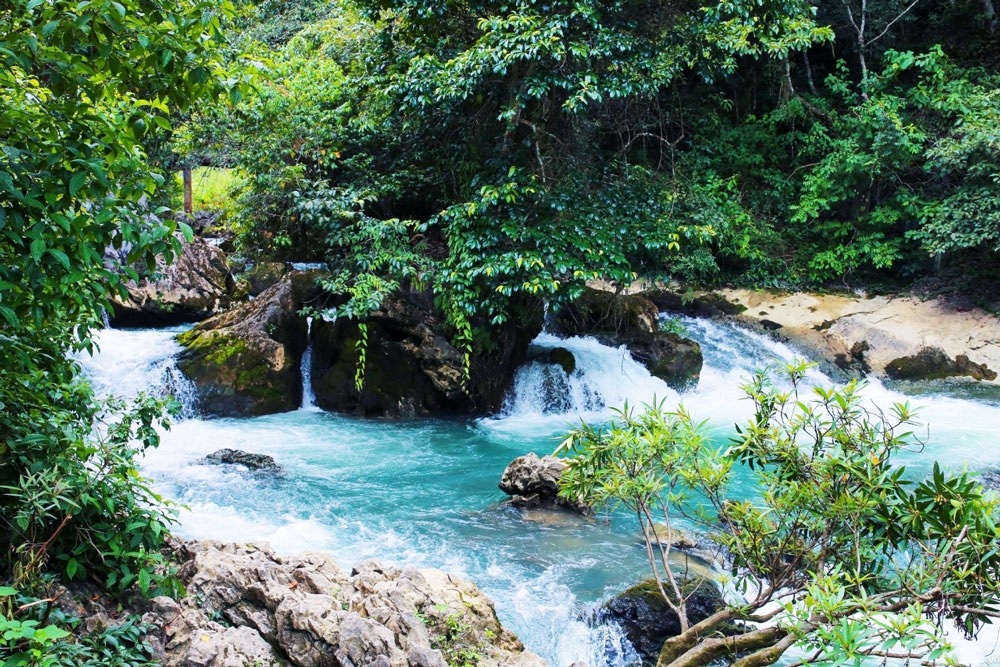
A gentle path follows the crystal-clear, jade-colored stream where President Ho Chi Minh once lived and worked. The setting is calm and reflective, combining historical significance with striking natural beauty.
4. Sunset on the Quay Son River
As the light softens, the river turns a deep shade of blue-green. Kayaking or drifting on a small sampan offers a quiet way to admire limestone karsts, bamboo groves, and rural life along the banks.
5. Visit Phat Tich Truc Lam Pagoda
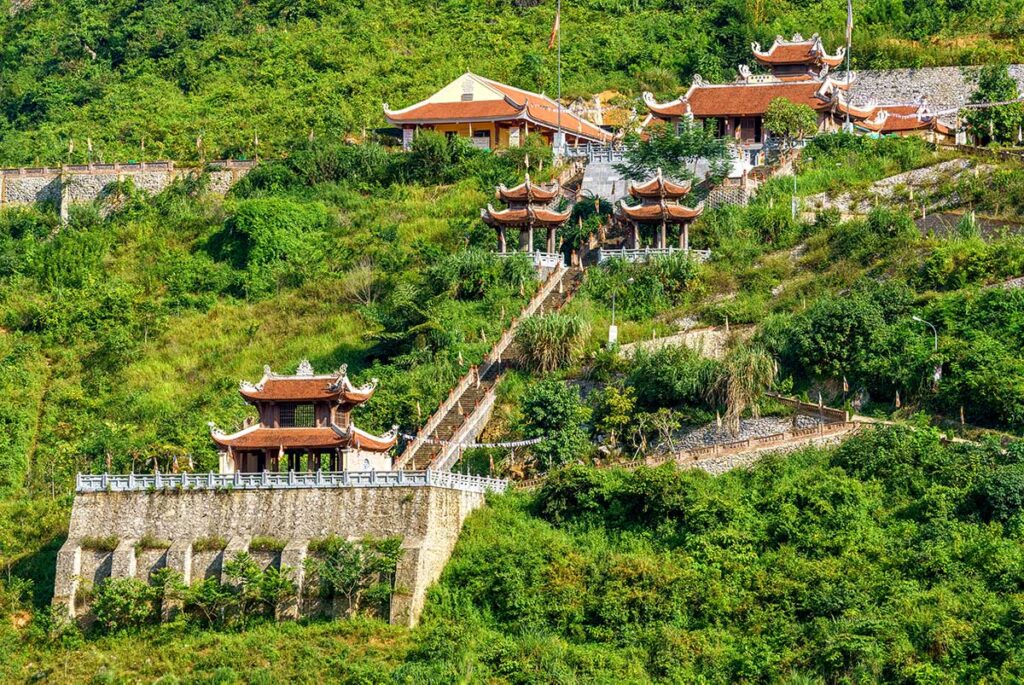
Perched on a hillside overlooking the valley, this peaceful pagoda offers one of the best viewpoints in the area. From here, you can take in sweeping views of Ban Gioc Waterfall and the surrounding countryside.
6. Discover God’s Eye Mountain (Nui Mat Than)
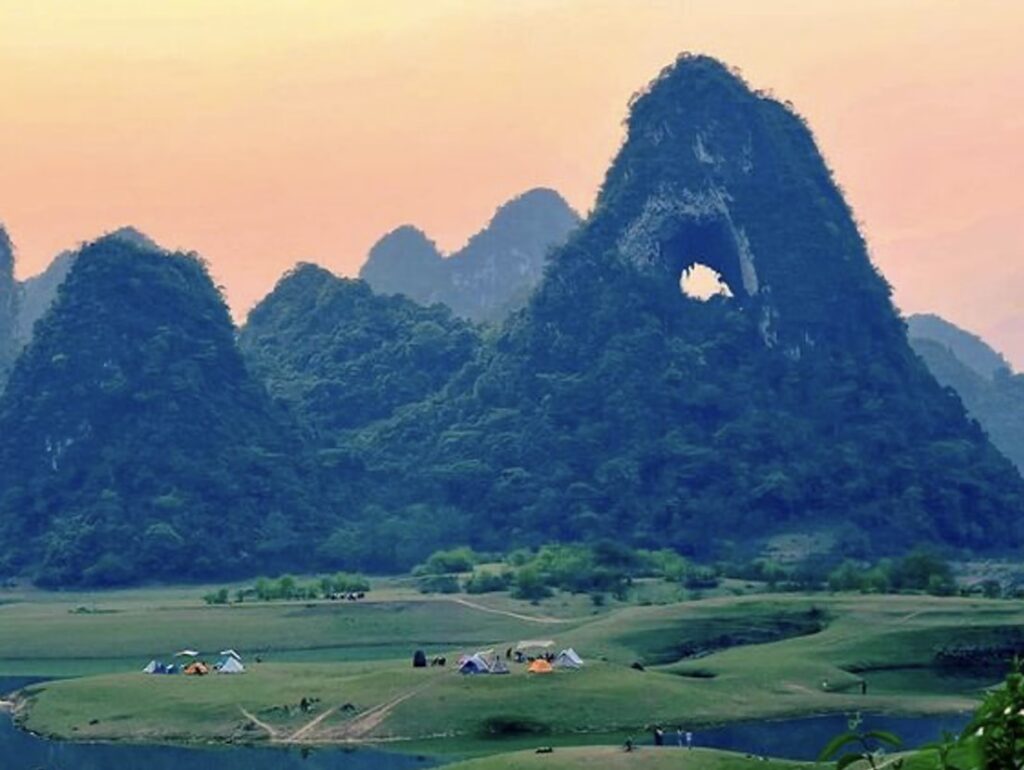
This striking limestone formation features a giant natural hole near its peak, set within a wide, grassy valley. It’s an ideal spot for a slow walk, photos, or a picnic surrounded by silence and open space.
7. Explore Traditional Craft Villages
Step into Cao Bang’s living traditions by visiting Phuc Sen, known for centuries-old blacksmithing, or Phia Thap, where families still make incense by hand. These villages offer meaningful cultural encounters and distinctive handmade souvenirs.
Want to experience it with expert guidance? Join with Ginkgo Voyage to explore Cao Bang and beyond: Comfortable transport, insightful stories, and everything arranged for a meaningful visit.
What to Eat in Cao Bang
The cuisine here is fresh, earthy, and unique. We recommend trying these local specialties in reputable local restaurants.
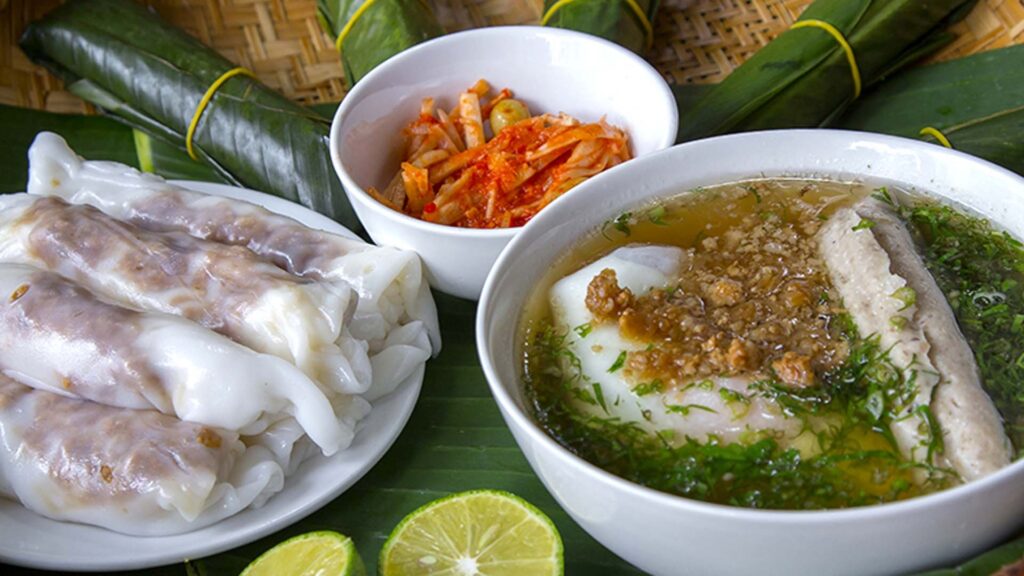
- Banh Cuon Cao Bang: A comforting breakfast dish. Unlike the Hanoi version, these delicate rice rolls are served in a warm, savory bone broth with herbs—perfect for the cool mountain mornings.
- Cao Bang Roasted Duck: Marinated with mac mat leaves (a local wild plant), the duck here is fragrant and tender, with a distinct flavor profile you won’t find elsewhere.
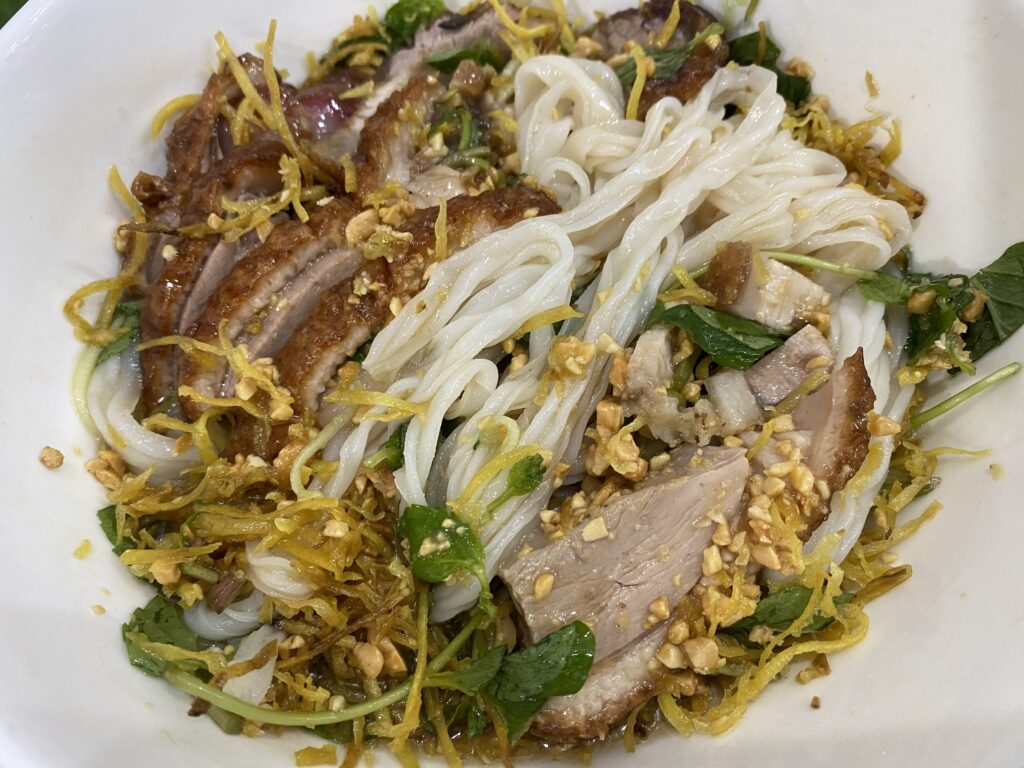
- Sour Pho (Pho Chua): These cool noodles are tossed with roasted duck, peanuts, and a sweet-sour sauce made from vinegar—refreshing and light with a rich array of textures.
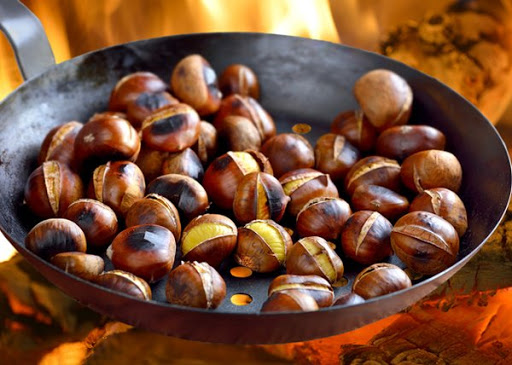
- Chestnuts: The region is famous for its sweet, nutty chestnuts, which are roasted over hot coals and sold piping hot.
Tips for a smooth trip
- Dress in layers: Temperatures shift quickly between valleys and high elevations.
- Footwear Matters: If you plan to trek, bring sturdy shoes with good grip. The clay paths can be incredibly slippery when wet.
- Book Early in Golden season: September and October attract huge crowds of photographers. Secure your accommodation months in advance.
- Respect local customs: Always ask before photographing people or entering homes.
- Respect the Culture: When buying goods from street vendors (often young children), be kind but mindful. Supporting education initiatives is often better than buying trinkets from kids during school hours.
- If you prefer a worry-free experience, consider joining a guided tour for safer transport and deeper cultural insights.

Discover history, food, and hidden corners with us
Where to Go Next?
- Ba Be Lake (Bac Kan): A serene freshwater lake in a national park, perfect for a relaxing boat cruise. It’s a scenic 4-hour drive away.
- Ha Long Bay: Swap the mountains for the sea. A 7-hour scenic journey brings you to

Not sure where to go next? Let us help you customize your Vietnam Journey