

Introduction to Da Nang
Set between Hue’s imperial heritage and Hoi An’s lantern-lit charm, Da Nang is Vietnam’s modern coastal gateway — where city life meets seaside relaxation. Locals start their day with sunrise swims, cafés hum along the Han River, and evenings glow with the fire-breathing Dragon Bridge. Unlike many big cities, Da Nang feels calm, clean, and easy to explore. Its long beaches, marble caves, and nearby mountains make it the perfect stop for travelers seeking both comfort and adventure.
This Da Nang travel guide takes you into one of Vietnam’s most dynamic coastal cities, where golden beaches, vibrant local life, and the dramatic curves of the Son Tra and Marble Mountains come together in a landscape that feels both energizing and deeply serene.
Quick Facts about Da Nang
Before diving into details, here’s a quick snapshot to help you understand what makes Da Nang such a worth experiencing destination.
| Category | Details |
|---|---|
| Location | Central Vietnam; coastal city between Hue and Hoi An, about 1 hour south of Hue and 45 minutes north of Hoi An |
| Airport | Da Nang International Airport (DAD), ~5 km from the city center (10–15 minutes by car) |
| Best known | Long sandy beaches, modern city vibe, Marble Mountains, and easy access to central Vietnam highlights |
| Popular areas | Ba Na Hills, Golden Bridge, Dragon Bridge, My Khe Beach, Son Tra Peninsula, Marble Mountains, Han River waterfront |
| Travel style | Beach-city mix, urban exploration, heritage & culture exploration |
| Climate | Tropical; hot summers. Rainy season: Sep–Dec |
| Ideal stay | 2–3 days |
| Best time to visit | February to August for dry weather and beach activities |
What’s in Da Nang
- My Khe & Non Nuoc Beaches: Among Asia’s most beautiful coastlines, My Khe Beach stretches with white sand and calm waves—perfect for swimming, surfing, or sunrise walks. Non Nuoc Beach lies further south, quieter and lined with luxury resorts and local seafood spots.
- Marble Mountains: A cluster of five limestone hills named after the elements—Water, Wood, Fire, Metal, and Earth. Wander through hidden caves filled with Buddha statues, climb pagodas, and enjoy panoramic coastal views.
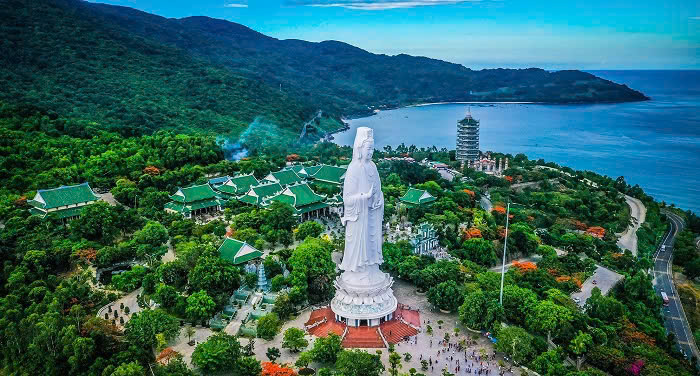
- Son Tra Peninsula (Monkey Mountain): Rising dramatically above the sea, Son Tra offers jungle trails, ancient banyan trees, and the 67-meter Lady Buddha statue at Linh Ung Pagoda. It’s a peaceful escape for photographers and early risers chasing sunrise views.
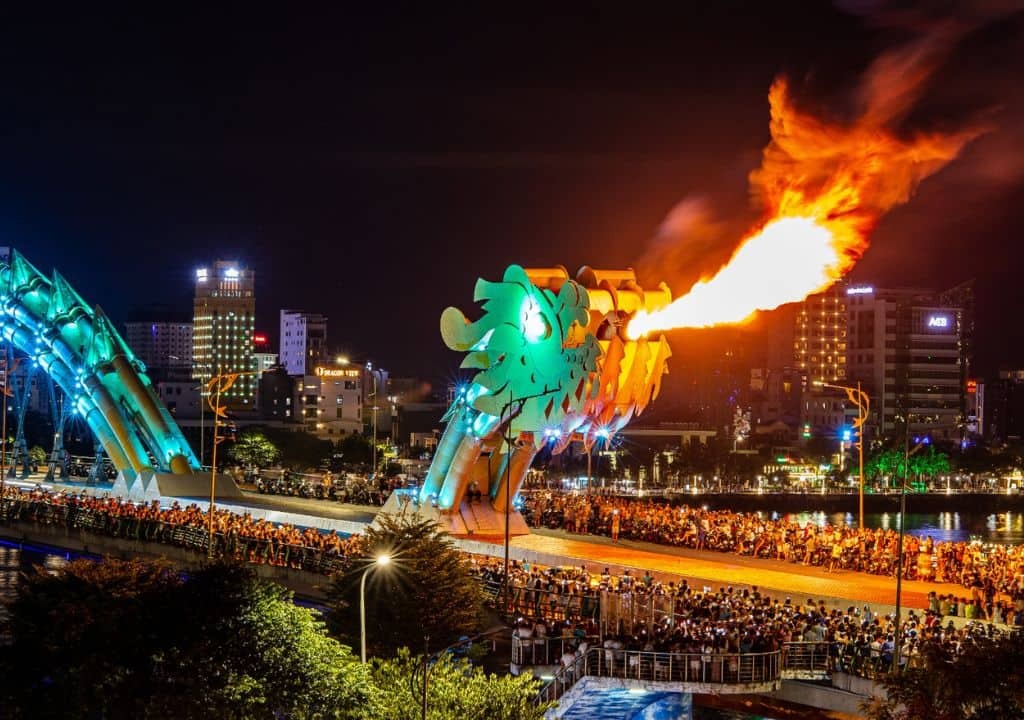
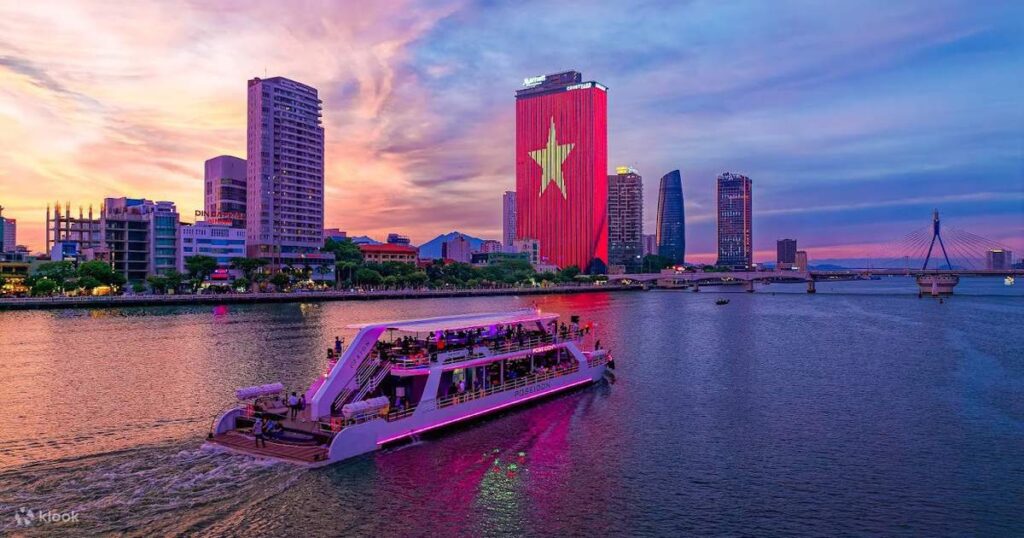
- Han River & Dragon Bridge: The city’s heart beats along the Han River, especially at night when bridges glow in changing colors. On weekends, the Dragon Bridge breathes fire and water — a highlight for families and photographers alike.
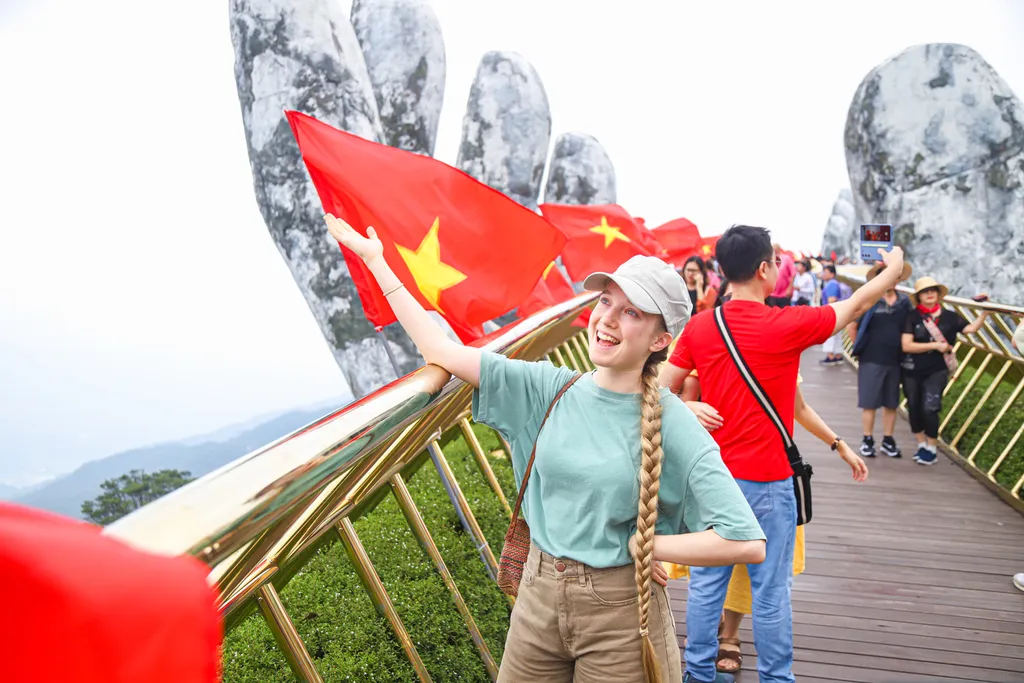
- Ba Na Hills: A hilltop resort above the clouds, known for its Golden Bridge held by giant hands. Enjoy a scenic cable car ride, cool mountain air, and a whimsical French-style village—one of the most popular day trips from Da Nang.
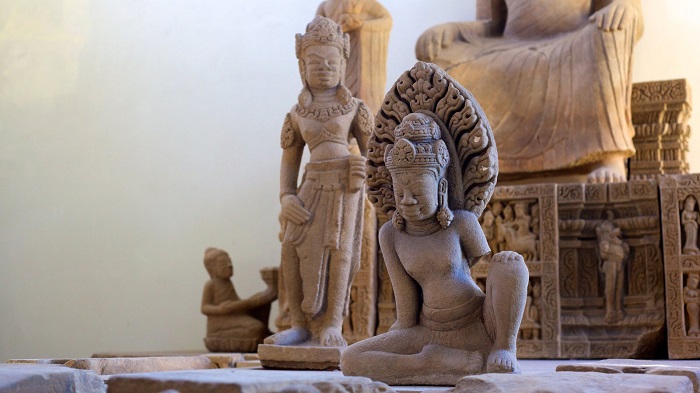
- Cham Sculpture Museum: Home to the world’s largest collection of Champa artifacts, featuring sandstone sculptures and temple relics that reveal the artistic legacy of Central Vietnam’s ancient kingdom.
How to plan a trip to Da Nang
How long to stay
- For a Highlights Experience (2–3 days):
This is a comfortable amount of time to explore Da Nang’s key landmarks, from its long sandy beaches and Marble Mountains to the city’s modern bridges and coastal viewpoints. It offers a balanced introduction to the city’s blend of nature and urban energy. - For a Broader Central Vietnam Journey (4–5 days):
With additional time, you can venture further to Son Tra Peninsula, visit Ba Na Hills, and extend your journey to nearby cultural centers like Hoi An or Hue. This timeframe allows for a more complete experience of Central Vietnam’s landscapes and heritage.
Best time to visit Da Nang
| 🌦️ Season | ⛅️ Weather | ⛱️ Best for | 📌 Note |
|---|---|---|---|
| February–August | Dry and sunny | Beach relax | Peak season, book in advance. Bring sunscreen |
| September–November | Cooler weather with light rain. | Spa, museum, food | Bring light raincoat/umbrella. Plan for in-door activities |
| December–January | Quiet season with mild temperatures. | Ba Na Hill, Son Tra Peninsula and enjoy year-end festive atmosphere. | Possibility of storms, see weather forecast |
Money & Connectivity
- Cash is needed for food stalls and markets.
- Cards widely accepted in hotels and restaurants.
- SIM cards from Viettel, Vinaphone, or Mobifone are cheap and reliable.
- Free Wi-Fi is everywhere — from cafés to malls.
Local etiquette
Vietnamese culture is warm and welcoming, and a little cultural awareness goes a long way. Here are a few tips to help you travel respectfully
- Smile often – It’s the universal language here and opens doors everywhere.
- Dress modestly when visiting temples and religious sites (shoulders and knees covered is best).
- Avoid pointing your feet at people or sacred objects — it’s considered impolite.
- Tipping isn’t mandatory, but a small gesture (5–10%) is always appreciated at restaurants, cafés, and by guides or drivers.
- Use both hands when giving or receiving something, especially to elders — it shows respect.
- Take your shoes off when entering someone’s home or certain traditional spaces.
- When in doubt, follow the locals — and don’t be afraid to ask. Vietnamese people are happy to share their customs if you show interest.
Getting to Da Nang
Getting to Da Nang is easy, with multiple transport options connecting it to the rest of Vietnam and Southeast Asia:
- By Air: Da Nang International Airport (DAD) connects with Hanoi, Ho Chi Minh City, and major regional hubs like Bangkok, Singapore, and Seoul. Only 10 minutes from downtown.
- By Train: The Reunification Express runs along the coast — a scenic journey between Hanoi and Ho Chi Minh City with a breathtaking stretch through Hai Van Pass.
- By road: Da Nang sits on Vietnam’s main north–south route. It’s about 2.5 hours from Hue and 45 minutes from Hoi An.
- Getting Around: Grab taxis, hotel bicycles, or scooters are convenient. Many of our tours include private transfers for flexible city and countryside exploration.
Planning ahead? Many travelers require a visa to enter Vietnam. Check our Vietnam Visa Guide here to see if your country is on the visa-required list and how to apply quickly.
Local festivals & events
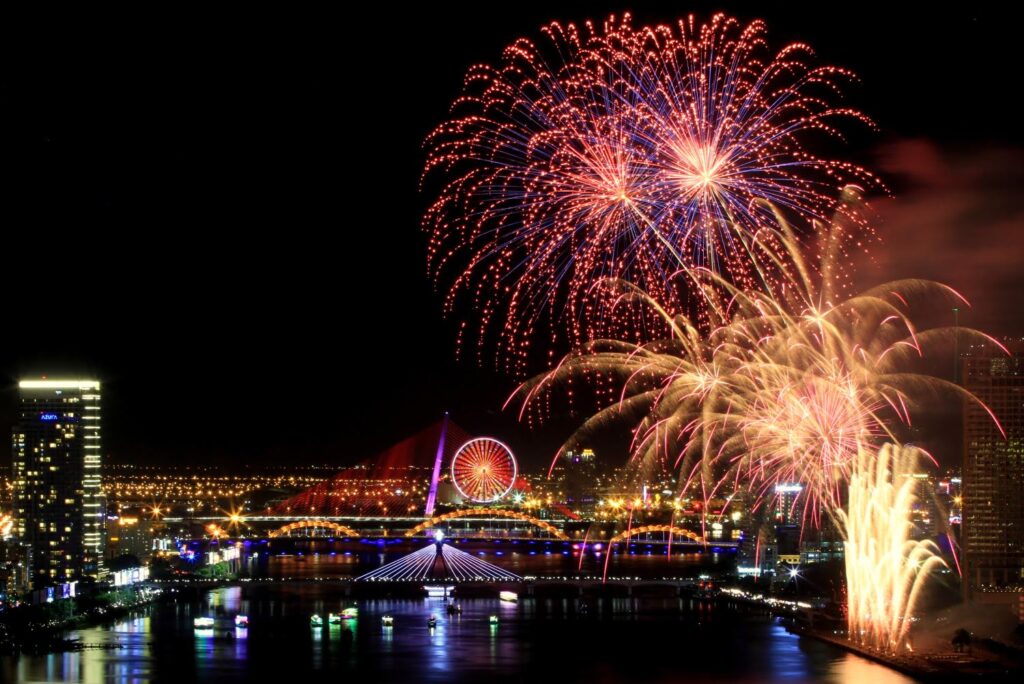
🎆 Da Nang International Fireworks Festival (June–July): Teams from around the world light up the sky above the Han River.
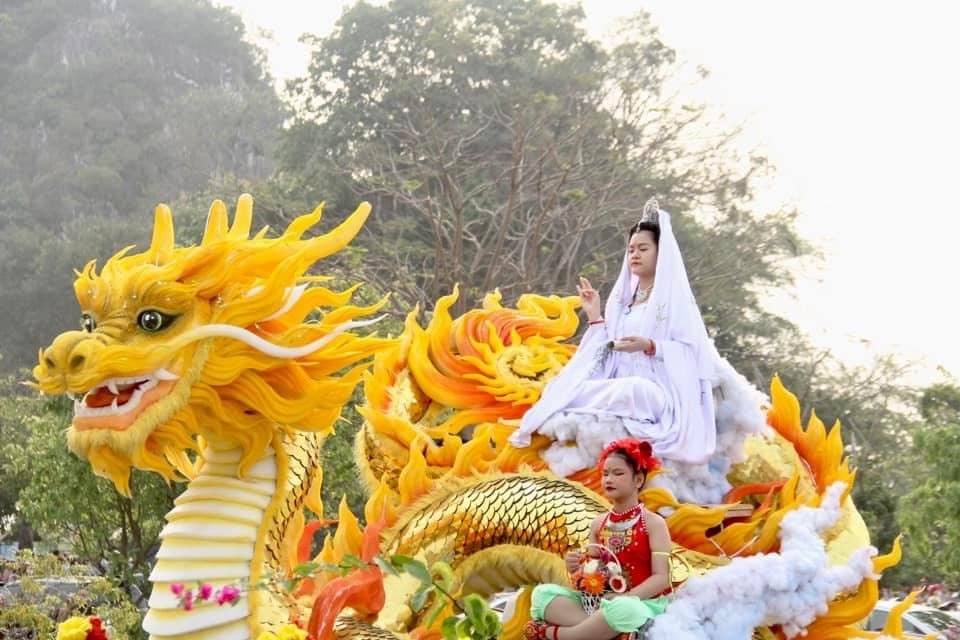
🪷 Quan The Am Festival (March) – A major Buddhist celebration at Marble Mountains.
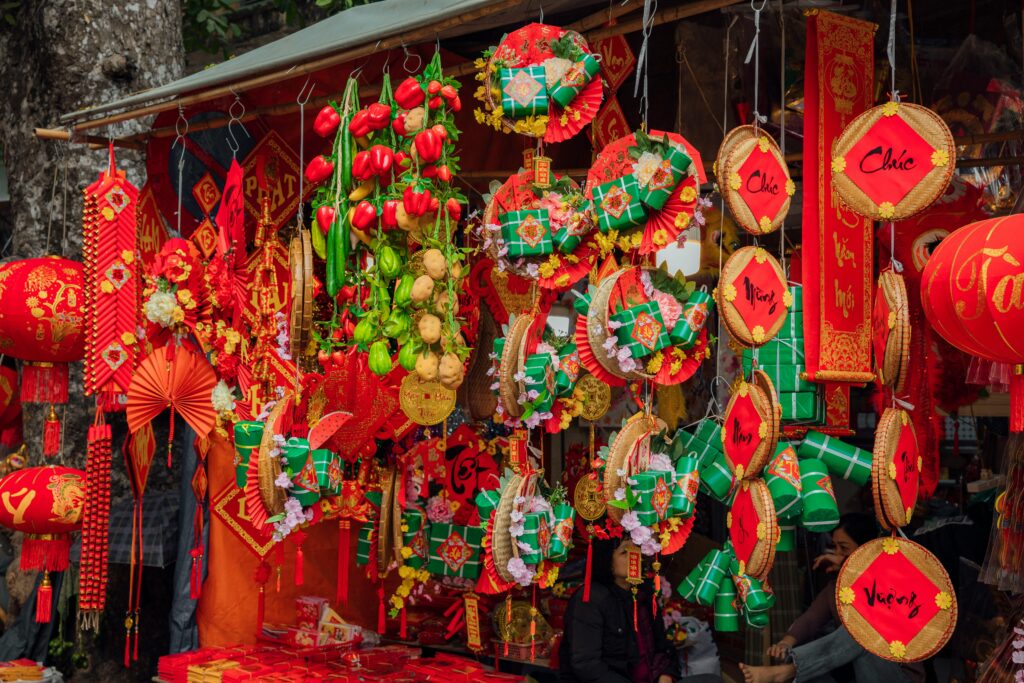
🧧 Tet (Lunar New Year) – Streets are festive, markets overflow with flowers and local treats.
Best Things to Do in Da Nang
From sunrise by the sea to strolls along its iconic bridges, Da Nang is Vietnam’s perfect mix of city buzz and coastal calm. Here are our top experiences


1. Relax on My Khe Beach
Wide stretches of soft sand and calm water make this one of Vietnam’s most enjoyable city beaches—ideal for swimming, early-morning walks, or a relaxed afternoon by the sea.
2. Explore the Marble Mountains
Climb stone stairways through caves, pagodas, and marble peaks, with viewpoints opening out over Da Nang city and the coastline.
3. Watch the Dragon Bridge breathe fire
On weekend nights, Da Nang’s iconic bridge comes alive as the dragon releases fire and water—a short, lively spectacle locals and visitors gather to watch.
4. Take a day trip to Ba Na Hills
Ride one of the world’s longest cable cars to the hilltop complex, home to the famous Golden Bridge held by giant stone hands and cool mountain air above the clouds.
5. Browse Han Market
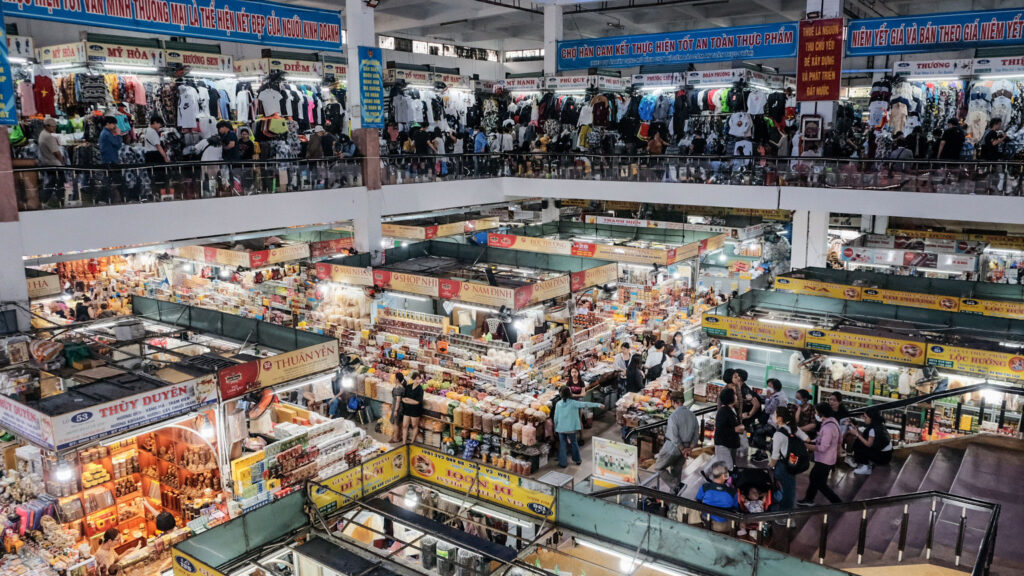
A lively central market for dried seafood, local snacks, and handicrafts—useful for picking up edible souvenirs and getting a feel for everyday Da Nang.
6. Discover Son Tra Peninsula
Just outside the city, this forested peninsula offers coastal roads, ocean viewpoints, and Linh Ung Pagoda with its towering Lady Buddha statue.
7. Visit the Cham Museum
A compact but impressive collection showcasing Champa sculptures and artifacts, offering insight into the ancient civilization that once shaped central Vietnam.
8. Cruise the Han River at sunset
Evening boat rides pass beneath illuminated bridges, with cool river breezes and views of Da Nang’s skyline after dark.
9. Explore nearby Hoi An and Hue
Da Nang makes an easy base for day trips—Hoi An’s lantern-lit old town lies to the south, while Hue’s imperial landmarks sit just a few hours north.
Want to experience it with expert guidance? Join with Gingko Voyage — comfortable transport, insightful stories, and everything arranged for a meaningful visit.
What to Eat in Da Nang
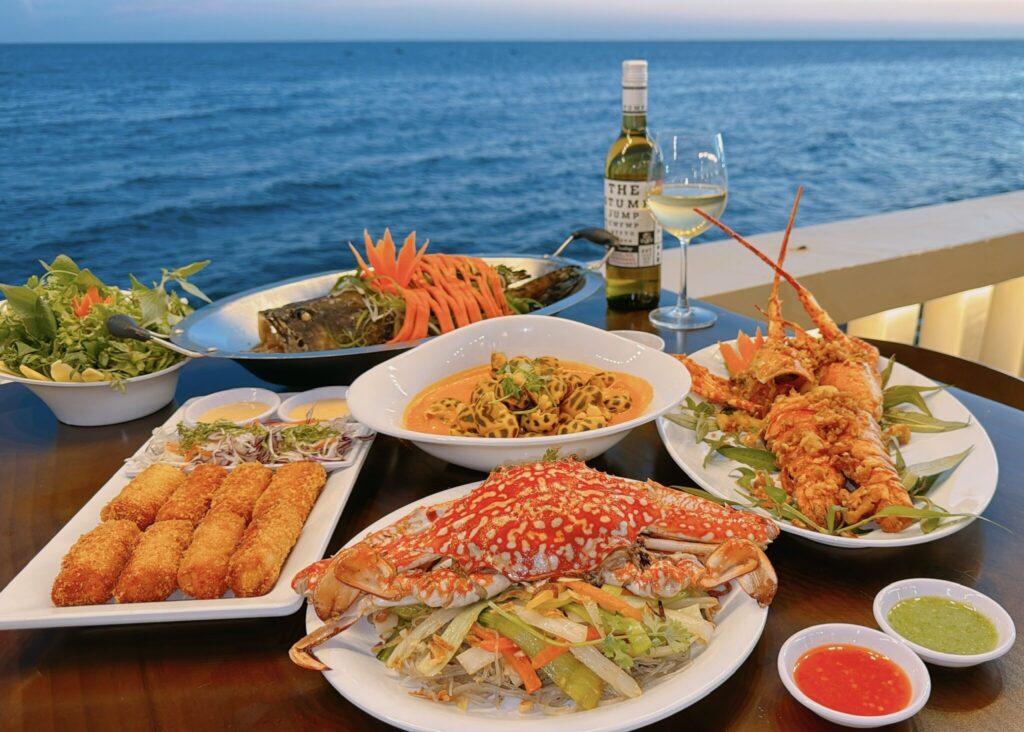
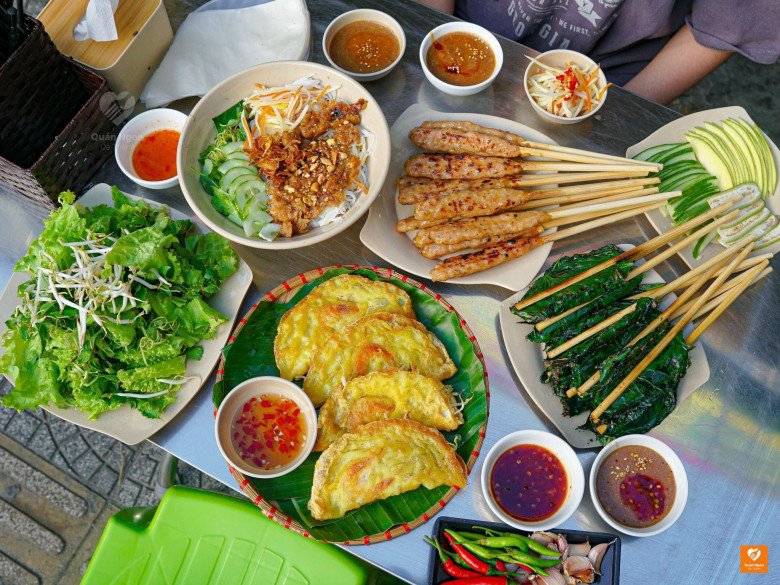
Da Nang’s food scene is where the sea meets the streets — simple, fresh, and full of Central flavor. Here’s what to taste first
Street Food Must-Try:
- Mi Quang (Quang style noodle)
- Banh Xeo (Vietnamese Crispy pancake / Vietnamese Sizzling pancake)
- Bun Cha Ca (fish cake noodles)
- Banh Trang Cuon Thit Heo (pork rolls with rice paper)
- Hai san nuong (grilled seafood)
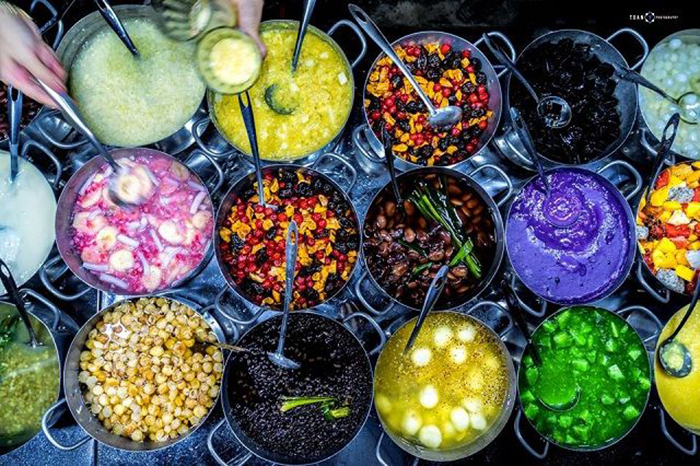
- Che (sweet soup)
- Nem Lui (grilled pork skewers)
- Banh Canh Ruong (thick noodle soup)

Tips for a smooth trip
- Avoid rush hours (7:30–9 AM, 5–7 PM) if possible – traffic can be wild.
- Learn a few local phrases: “Xin chào” (hello) “Cảm ơn” (thank you) goes a long way!
- If you want a no-worries tour, check out our [Central Vietnam] — from historical walks to foodie nights.
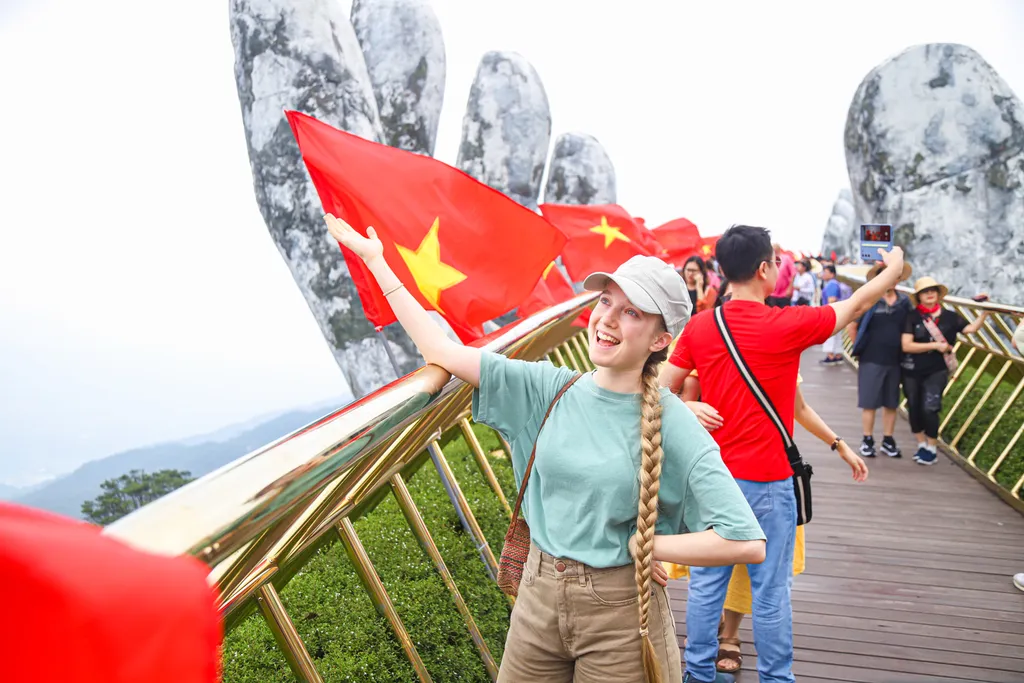
Discover history, food, and hidden corners with us
Where to Go Next? Da Nang as Your Launchpad
- Hoi An Ancient Town – 30-minute drive south; lanterns, riverside cafes, and tailors galore.
- Hue Imperial City – 2 hours north; explore palaces, tombs, and ancient citadel walls.
- My Son Sanctuary – A hidden valley of ancient Hindu temple ruins, great for a half-day trip.

Not sure where to go next? Let us help you customize your Vietnam Journey
Tours in Da Nang
Check out our curated experiences:
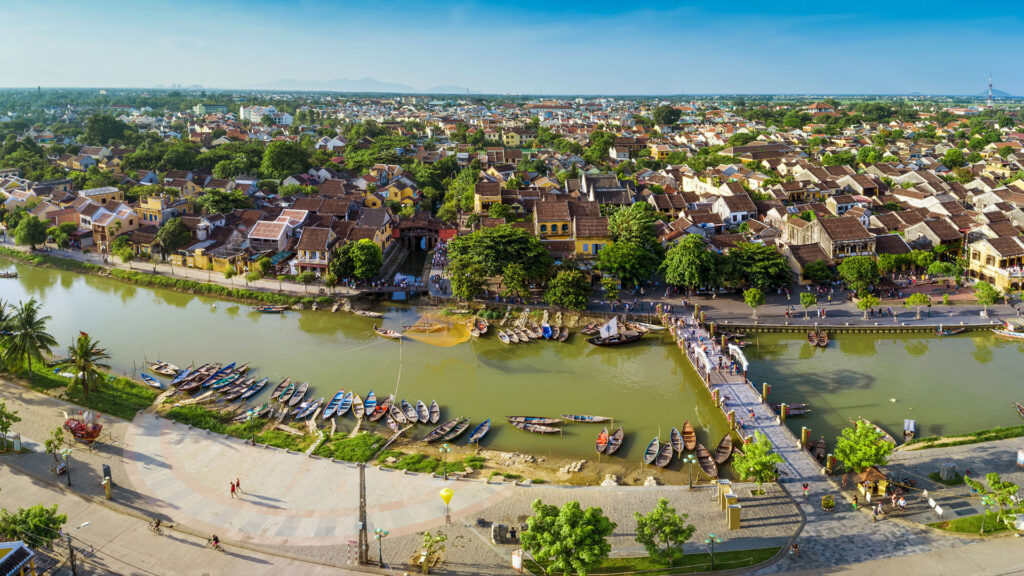
Central Vietnam Highlight
7-day journey connects Da Nang’s coastal beauty, Hoi An’s lantern-lit charm, and Hue’s imperial legacy.
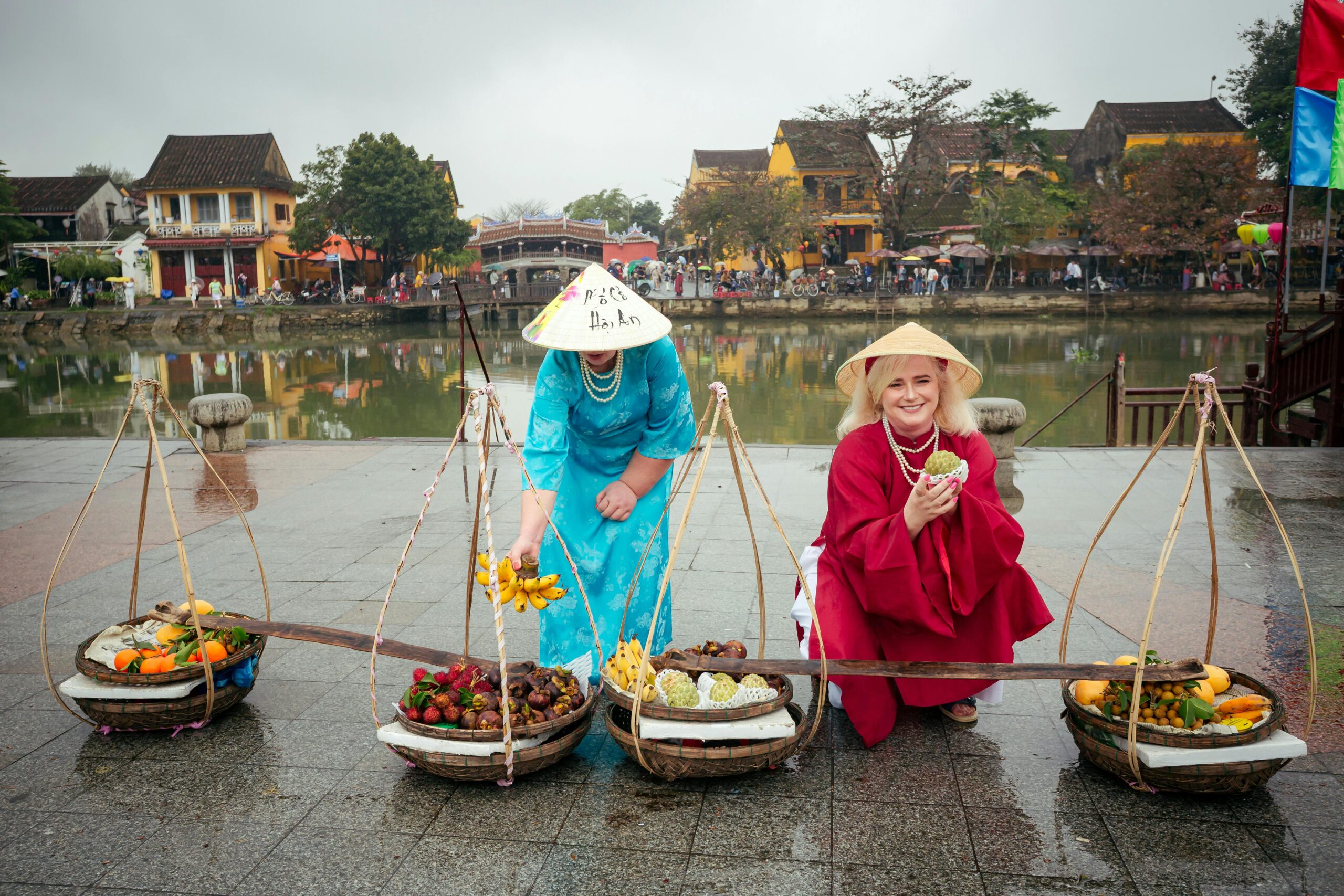
Central Vietnam Heritage
7-day Explore Vietnam Heritage – Hoi An’s Lantern-lit streets – Hue’s Royal tombs and Phong Nha’s spectacular caves.
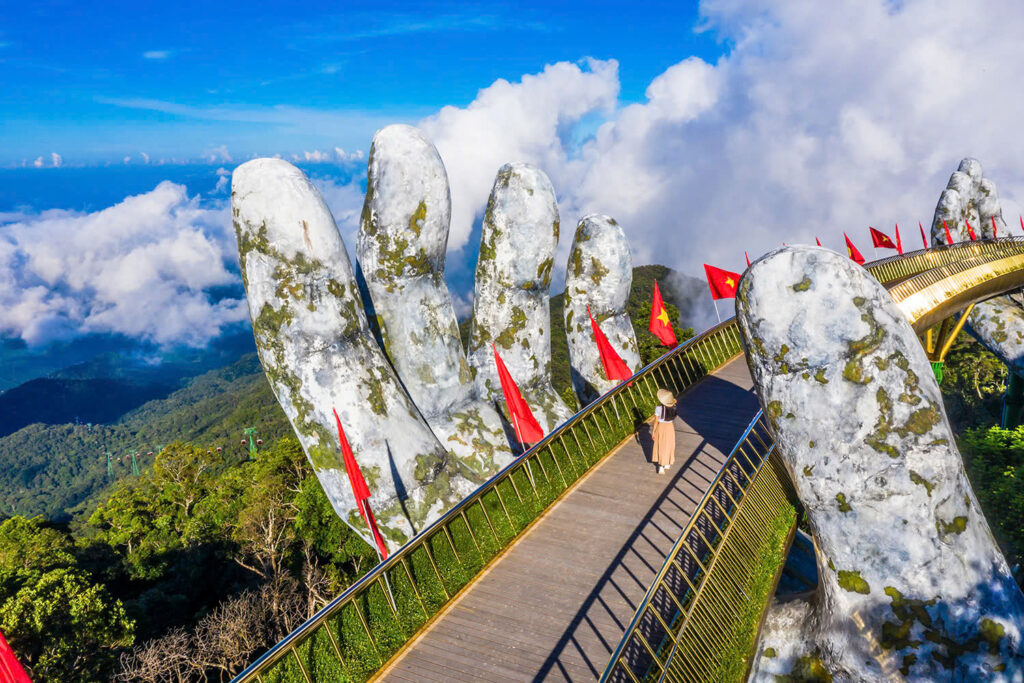
Glimpse of Vietnam
7-day Journey through Central Vietnam’s Wonder — Ba Na Hills, imperial Hue & majestic caves of Phong Nha.