

Introduction to Ninh Binh
Often described as “Halong Bay on Land,” Ninh Binh is a mesmerizing landscape where limestone karsts rise abruptly from emerald rice paddies instead of the sea. Just two hours south of Hanoi, this province offers a peaceful counterpoint to the capital’s bustle, blending spectacular natural beauty with deep-rooted history.
But Ninh Binh is more than just scenery. It was Vietnam’s capital in the 10th and 11th centuries, home to kings who ruled from the citadel of Hoa Lu. Today, it’s a place where you can drift down quiet rivers in a sampan boat, cycle through rural villages where life moves slowly, and hike up dragon-shaped peaks for panoramic sunsets. Whether you are a nature lover, a history buff, or simply seeking serenity, Ninh Bình feels like stepping into a living ink wash painting.
Whether you come for nature, history, or peace of mind — this is Vietnam at its most poetic.
Quick Facts about Ninh Binh
Before diving into details, here’s a quick snapshot to help you understand what makes Ninh Binh such a worth experiencing destination.
| Category | Details |
|---|---|
| Location | Northern Vietnam — 90 km south of Hanoi (1.5–2 hours by road) |
| Airport | Nearest: Hanoi (Noi Bai International Airport) ~120 km away via Hanoi |
| Train Station | Ninh Binh Railway Station — 2 to 2.5 hours from Hanoi |
| Best Known | Limestone karsts rising from rice fields and rivers (“Ha Long Bay on land”), river caves, and ancient capital Hoa Lu |
| Popular areas | Tam Coc, Trang An, Hoa Lu Ancient Capital, Mua Cave, Cuc Phuong National Park |
| UNESCO | Trang An Landscape Complex (UNESCO World Heritage Site) |
| Ideal Stay | 1 – 2 days |
| Travel Style | Nature, cultural sightseeing, Countryside & Slow Travel |
What’s in Ninh Binh?
Karst Landscapes & River Caves:
The defining feature of Ninh Binh is its dramatic topography. The Trang An Landscape Complex, a UNESCO World Heritage Site, and the nearby Tam Coc area are famous for their river systems that wind through tunnel-like caves beneath towering limestone mountains. These are best explored by small rowboats paddled by local villagers (often with their feet!).
Ancient History:
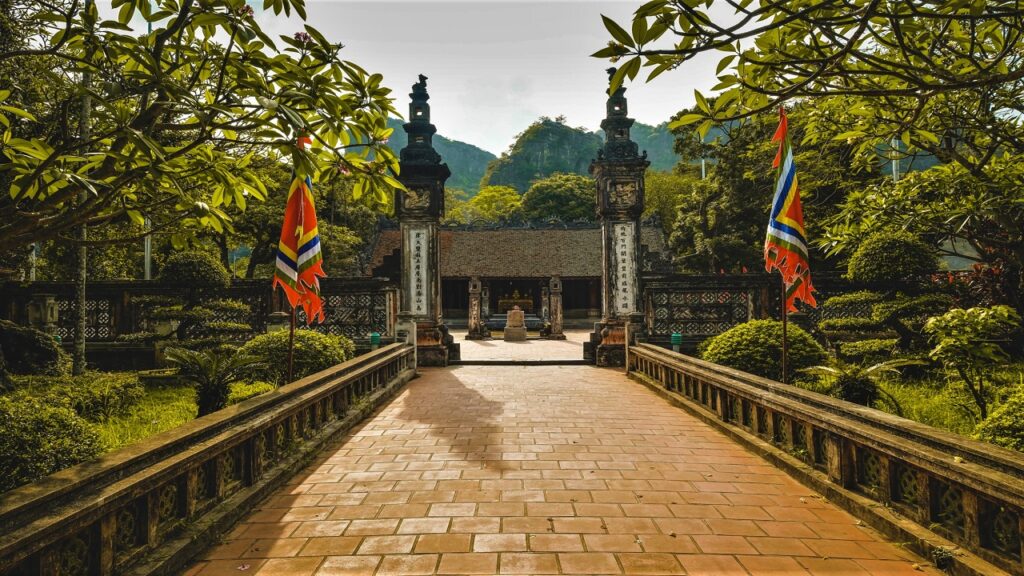
Before Thang Long (Hanoi) became the capital, Hoa Lư was the political heart of Vietnam. Nestled within a natural fortress of mountains, the remains of the ancient citadel and its temples dedicated to Emperors Dinh Tien Hoang and Le Dai Hanh stand as quiet reminders of a golden era
Spiritual Sites:
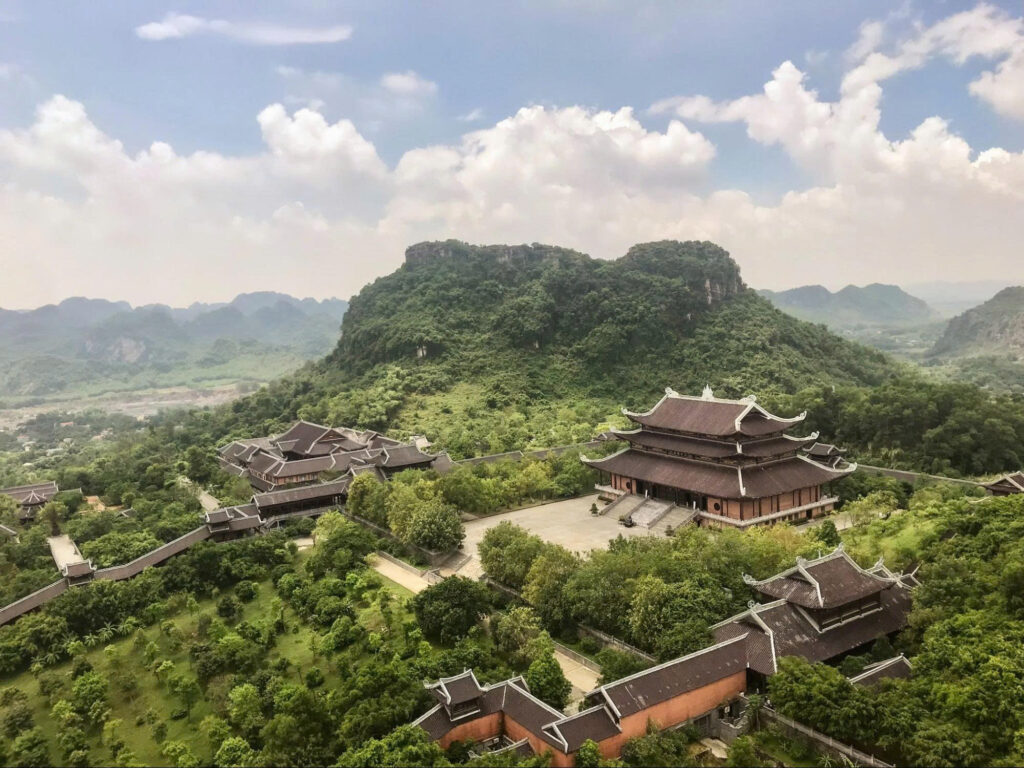
Ninh Binh is a spiritual center, home to Bai Dinh Pagoda, one of the largest Buddhist complexes in Southeast Asia, and the charming Bich Dong Pagoda, an ancient temple built into the side of a cliff that feels perfectly integrated with nature.
National Parks & Nature Reserves:
For wildlife enthusiasts, Cuc Phuong National Park offers trekking trails and a primate rescue center, while Van Long Nature Reserve is the largest wetland nature reserve in the Red River Delta—a haven for birdwatchers and home to the endangered Delacour’s langur.
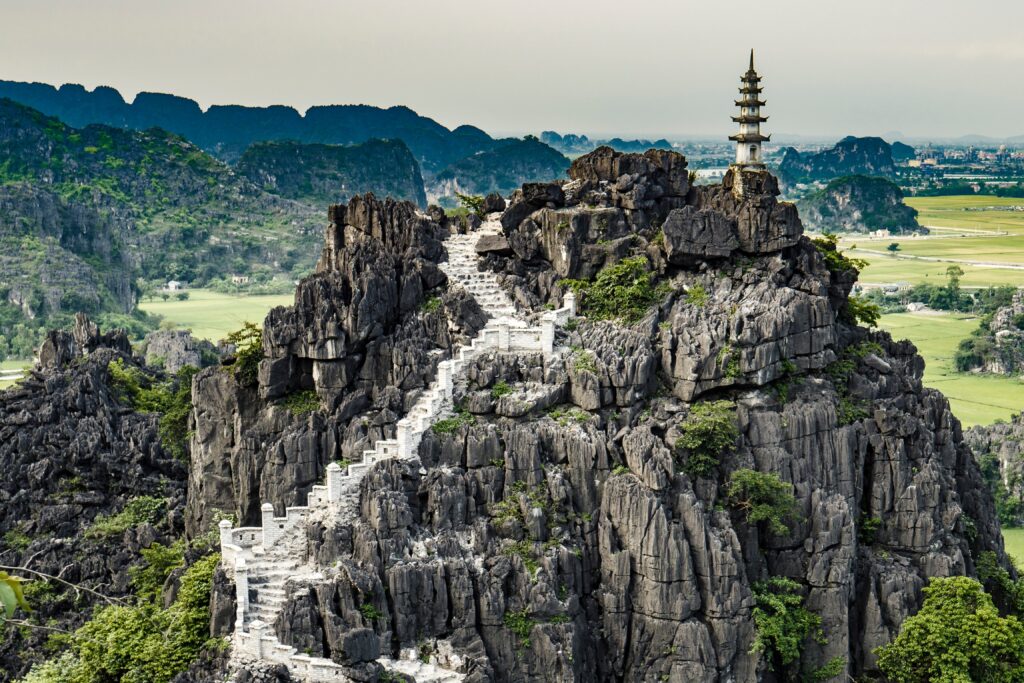
Panoramic Viewpoints: Climb Mua Cave for sweeping views of rivers and rice fields — one of Vietnam’s most iconic sunrise spots.

How to plan a trip to Ninh Binh
How long to stay
- 2 Days: Two days is the sweet spot, it is ideal if you want a relaxing experience. This gives you enough time to take a boat trip (or two), hike Mua Cave, cycle the countryside, and visit the ancient capital without rushing
- 3 Days: A one-day trip from Hanoi is also completely normal and manageable (similar to a day trip to the Mekong Delta), allowing you to see the main highlights, though staying overnight unlocks the peaceful atmosphere of the early mornings and evenings.
Best time to visit Ninh Binh
| 🌦️ Season | ⛅️ Weather | ⛱️ Best for | 📌 Note |
|---|---|---|---|
| Late May – Early July | Hot, sunny | Biking through Golden rice fields, photography, Tam Coc boat ride | This is the “Gold Season,” when the rice paddies turn yellow. Stunning for photos but quite hot. |
| February – April | Cool, pleasant | Sightseeing, pagoda visits, festivals, light hikes | Festival season—crowded with local pilgrims, but the atmosphere is vibrant. |
| September – October | Mild temperatures, clear skies | Outdoor activities, hiking, boat trips | One of the most comfortable times to visit with stable weather and beautiful scenery. |
Money & Connectivity
- ATMs are available in Ninh Binh City and near major tourist hubs like Tam Coc. However, many small homestays and local restaurants prefer cash (VND). 4G coverage (Viettel, Vinaphone) is generally strong, even in the countryside, though it may be spotty deep inside Cuc Phuong National Park.
Local etiquette
Vietnamese culture is warm and welcoming, and a little cultural awareness goes a long way. Here are a few tips to help you travel respectfully
- Dress Modestly: When visiting temples like Bai Dinh or Hoa Lu, cover your shoulders and knees.
- Boat Tips: It is customary (though not mandatory) to give a small tip to your boat rower, especially if they have paddled for 2–3 hours.
- Respect Nature: Do not litter in the river or caves, and avoid making loud noises in sacred spaces.
- When in doubt, follow the locals — and don’t be afraid to ask. Vietnamese people are happy to share their customs if you show interest.
Getting to Ninh Binh
- By Train: Ninh Binh is a major stop on the Reunification Express line. Trains run frequently from Hanoi (approx. 2.5 hours), Hue, and Da Nang. The station is located in Ninh Binh City, a short taxi ride from Tam Coc or Trang An
- By Bus: Frequent buses depart from Hanoi’s Giap Bat or My Dinh stations.
- By Private Car: Ideal for families or small groups — around 2 hours from Hanoi with flexible stops along the way.
- Getting around:
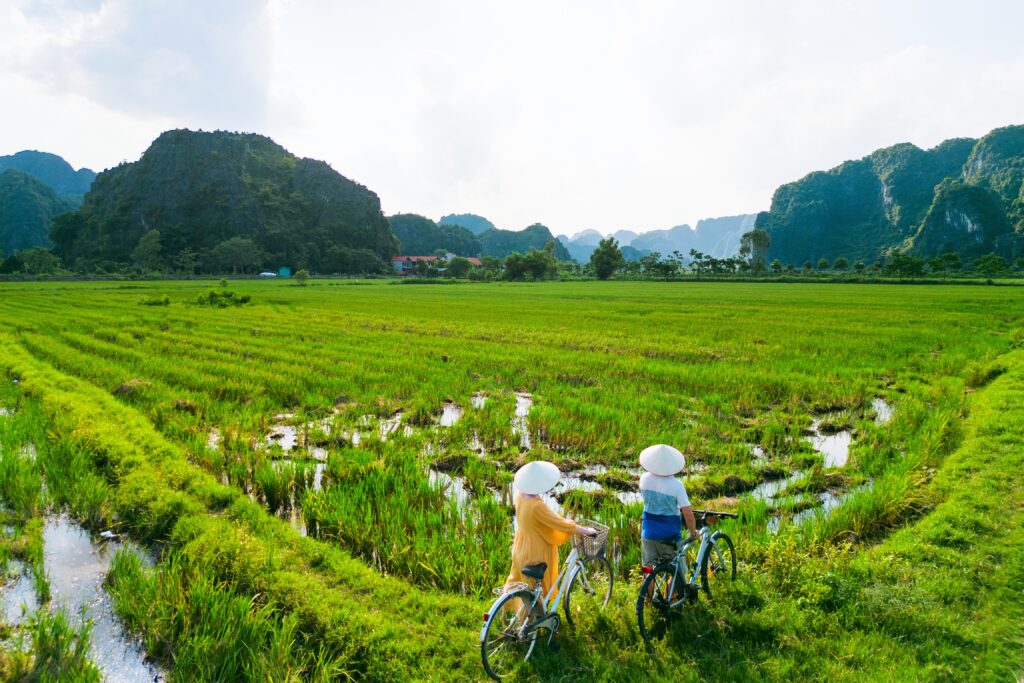
- Bicycle: Highly recommended. The distance between sites (e.g., Tam Coc to Bich Dong) is short, and cycling through the paddy fields is a highlight of the trip.
- Taxi/Grab: Available for longer distances or evening dinners.
Planning ahead? Many travelers require a visa to enter Vietnam. Check our Vietnam Visa Guide here to see if your country is on the visa-required list and how to apply quickly.
Local festivals & events
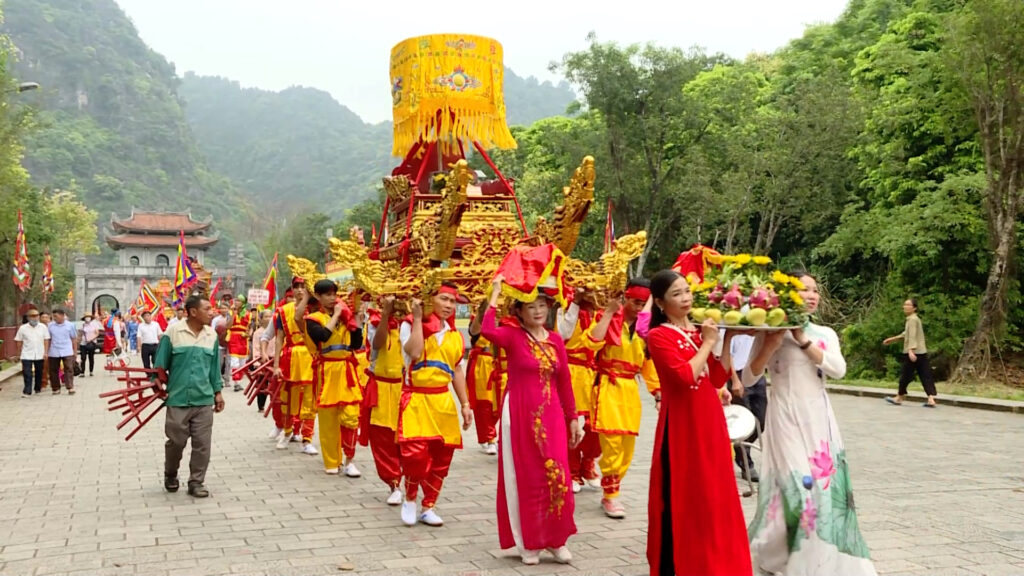
- Hoa Lu Ancient Capital Festival (Spring – Lunar March): A major celebration honoring the first emperors of Vietnam with processions, ceremonies, and traditional games held at the Hoa Lư temples.
- Trang An Festival (Spring – Lunar March): Also known as the Saint Quy Minh Dai Vuong Festival, featuring a spectacular water procession with hundreds of boats and dragon dances on the river.
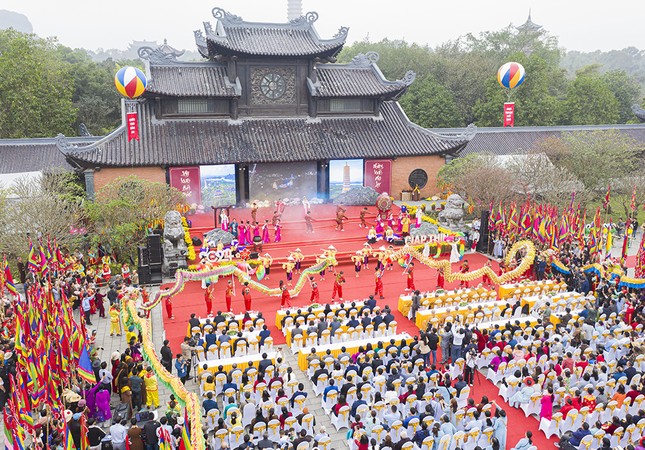
- Bai Dinh Pagoda Festival (Spring – begins Lunar January 6th): A massive pilgrimage event that lasts throughout the spring, attracting thousands of Buddhists.

Best Things to Do in Ninh Binh
Where limestone peaks rise above emerald paddies and quiet rivers cut through ancient landscapes, Ninh Binh offers some of Vietnam’s most peaceful moments.



1. Take a Boat Ride at Trang An
The crown jewel of Ninh Binh. You’ll float for 2–3 hours through a UNESCO-protected landscape, passing through dark caves and stopping at isolated temples. The water is so clear you can see the moss at the bottom.
2. Drift Through Tam Coc
Often called the “classic” route, this boat ride takes you through three caves (Tam Coc means “Three Caves”). In May and June, you glide right through shimmering golden rice fields.
3. Hike the Dragon’s Back at Mua Cave (Hang Mua)
Conquer 500 stone steps to reach the top of Lying Dragon Mountain. The view from the top—looking down over the winding Ngo Dong River and the karst peaks—is arguably the best in Vietnam. Tip: Go at sunset for magical light.
4. Cycle to Bich Dong Pagoda
Ride your bike through the countryside to this ancient three-tiered pagoda built into a cliff. The stone gate entrance, accessed by a bridge over a lotus pond, is iconic.
5. Step Back in Time at Hoa Lu Ancient Capital
Walk the grounds where emperors once ruled. The temples are simple but steeped in history, set against a dramatic mountain backdrop that once served as natural protection for the capital.
6. Explore Van Long Nature Reserve
For a quieter, more primal experience, take a bamboo raft at Van Long. It’s less polished than Trang An but feels wilder. This reserve holds the world record for the largest population of Delacour’s Langur, a critically endangered primate endemic to Vietnam.
These langurs are easy to spot by their distinctive black fur and white “shorts.” They often sit on the limestone cliffs in the late afternoon (around 3:30 PM – 4:30 PM) or early morning. Bring binoculars if you can!
7. Trek in Cuc Phuong National Park
Vietnam’s oldest national park offers ancient trees, prehistoric caves, and jungle treks. Don’t miss the Endangered Primate Rescue Center near the entrance to see gibbons and langurs.
8. Try Local Specialties
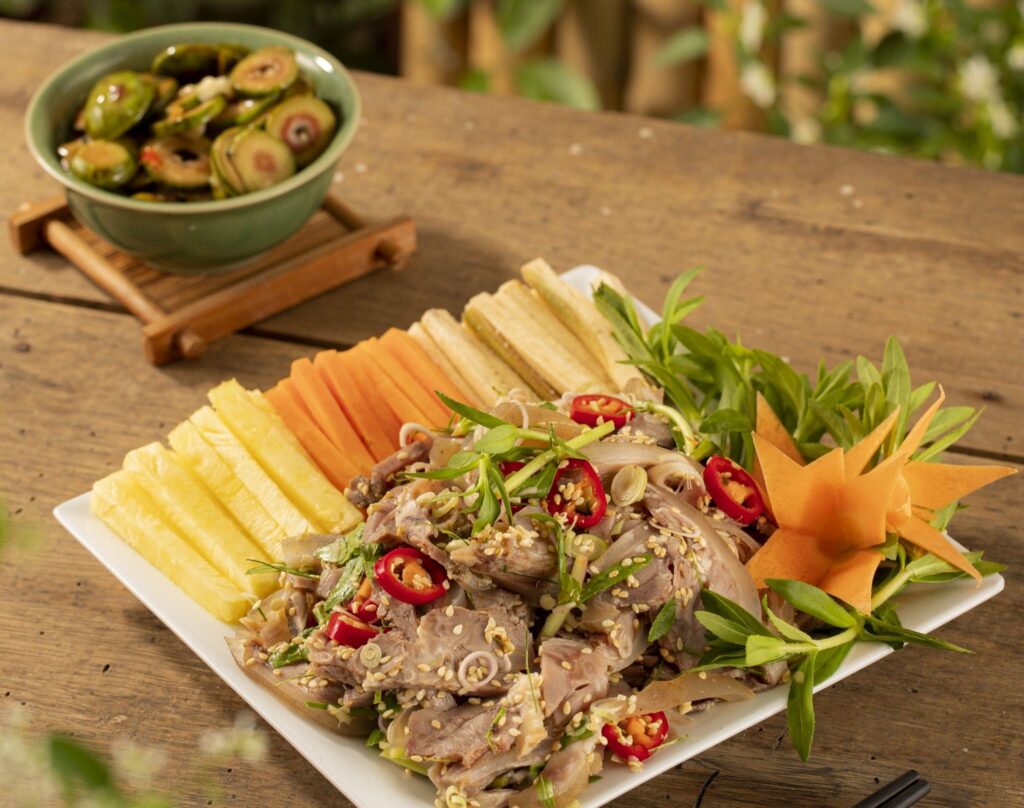
Sample Ninh Binh’s famous mountain goat meat, crispy burned rice, and eel vermicelli for a true local taste.
Want to experience it with expert guidance? Join our Northern Vietnam tour— comfortable transport, insightful stories, and everything arranged for a meaningful visit.
What to Eat in Ninh Binh
Ninh Binh is famous for its mountain specialities.
- Mountain Goat Meat: Ninh Bình is famous for its mountain goats, which graze on limestone herbs. The meat is tender and lean. Try De Tai Chanh (rare goat with lime and herbs) or De Nuong (grilled goat).
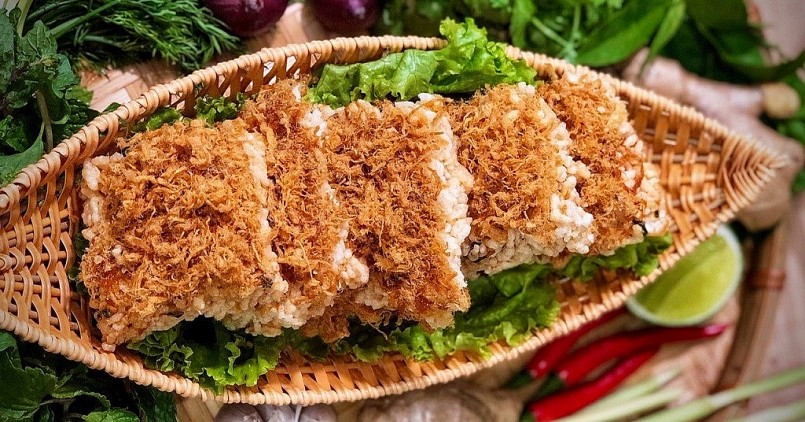
- Burned Rice (Com Chay): The most famous local snack. Crispy, golden-fried rice crusts served with a savory dipping sauce or topped with pork floss. It’s crunchy and addictive.
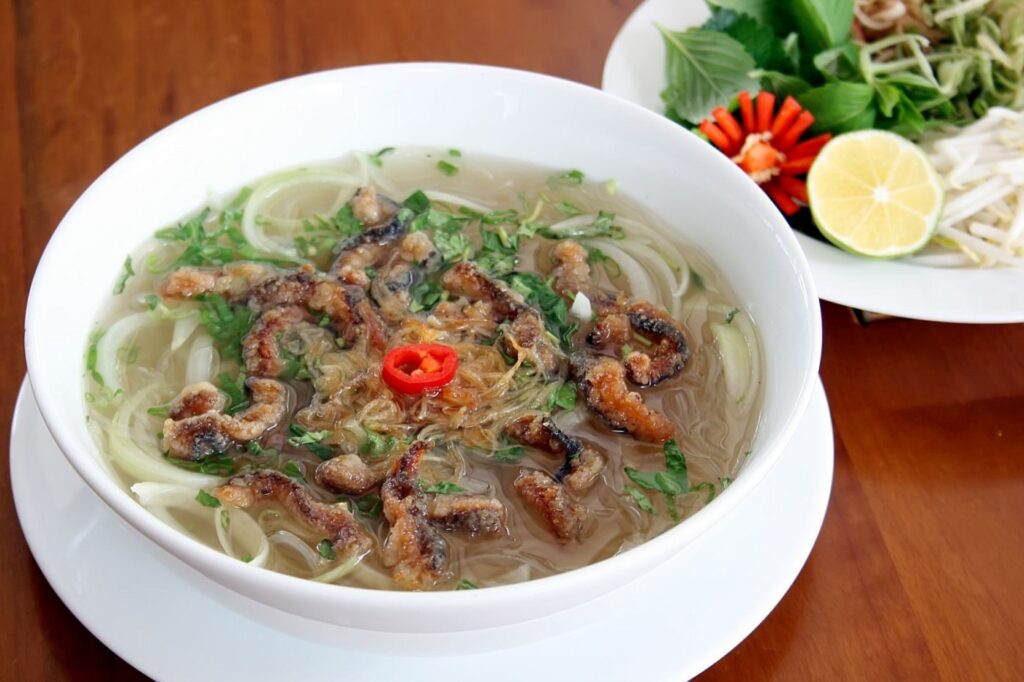
- Eel Vermicelli (Mien Luon): A comforting soup made with deep-fried crispy eel and glass noodles, garnished with banana flower and herbs.
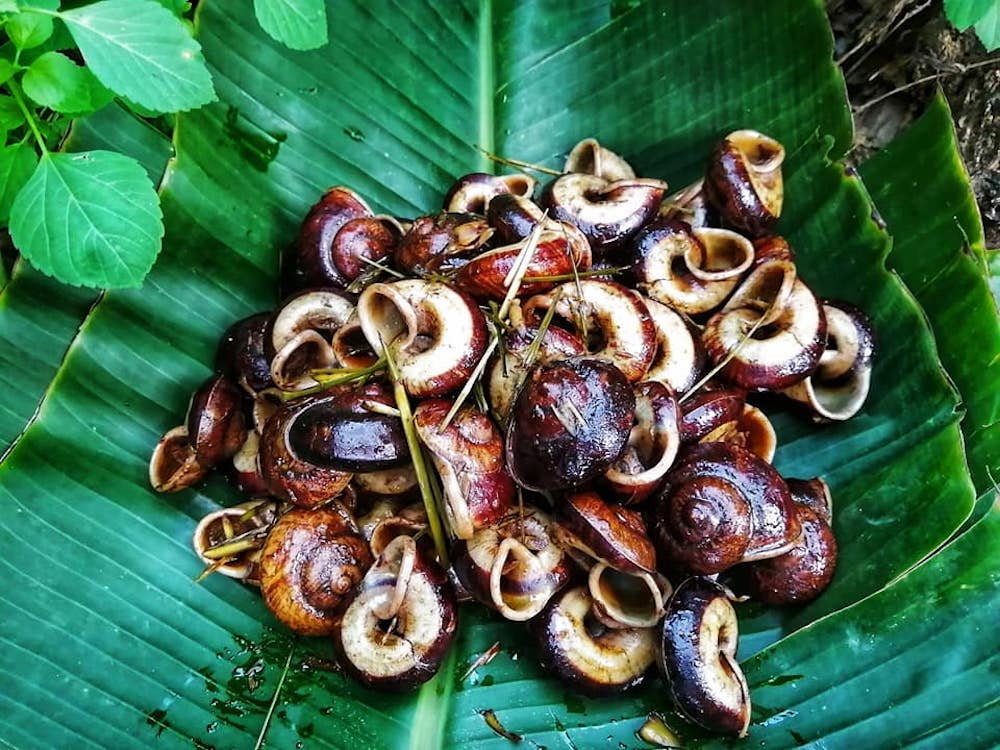
- Mountain Snails: These snails live in the limestone mountains and eat medicinal herbs. They are usually steamed with ginger and lemongrass—chewy, crunchy, and surprisingly distinct.
Tips for a smooth trip
- Morning Glory: Famous sites like Trang An and Mua Cave get crowded by 10 AM with day-trippers from Hanoi. Go early (7–8 AM) or late afternoon (4 PM) for peace and quiet.
- Sun Protection: The boat rides are open to the sky. Bring a hat, sunglasses, and sunscreen. In summer, carry an umbrella—the boat rowers often have spares, but it’s good to be prepared.
- Carry Small Change: Useful for buying water from boat vendors or tipping your rower.

Discover history, food, and hidden corners with us
Where to Go Next?
- Hanoi – Dive into Vietnam’s capital of culture and cuisine.
- Ha Long Bay – Continue your scenic journey from karsts to sea.
- Pu Luong Nature Reserve – About 3–4 hours away, offering terraced rice fields and mountain retreats—a perfect “next step” for nature lovers.
- Phong Nha: Take the night train or sleeper bus south to explore the world’s biggest caves

Not sure where to go next? Let us help you customize your Vietnam Journey
Tours in Ninh Binh
Glimpse of Vietnam
10-day journey through Ho Chi Minh – Cu Chi – Mekong Delta – Hoi An – Hanoi – Ninh Binh – Ha Long

Picturesque Vietnam
18-day journey through the country’s most naturally beautiful and culturally rich regions from Hanoi