

Introduction to Hue
Hue is a city that moves at its own pace. Once Vietnam’s imperial capital, it still feels wrapped in the calm rhythm of the Perfume River. The Nguyen emperors ruled here for over a century, and their legacy remains everywhere — in the Imperial Citadel, the royal tombs scattered across the hills, and the pagodas where time seems to slow. You don’t come to Huế for nightlife or crowds. You come to wander through quiet courtyards, drift on a dragon boat at sunset, or cycle along roads lined with frangipani trees.
It’s a place that rewards travelers who take their time — unhurried, thoughtful, and curious.
Quick Facts about Hue
Before diving into details, here’s a quick snapshot to help you understand what makes Hue such an accessible coastal getaway.
| Category | Details |
|---|---|
| Location | Central Vietnam; about 100 km north of Da Nang (2.5–3 hours by road or train) |
| Airport | Phu Bai International Airport (HUI), ~15 km from Hue city center (25–30 minutes by car) |
| Best known | Imperial City, royal tombs, Nguyen Dynasty heritage, and traditional cuisine |
| Popular areas | Imperial City (Citadel), Perfume River, Thien Mu Pagoda, royal tombs (Tu Duc, Minh Mang, Khai Dinh) |
| Travel style | Cultural exploration, history-focused travel |
| Climate | Tropical monsoon; hot summer |
| Ideal stay | 2–3 days |
| UNESCO | Complex of Hue Monuments (UNESCO World Heritage Site) |
| Best time to visit | February to April for pleasant weather and cultural exploration |
What makes Hue Special?
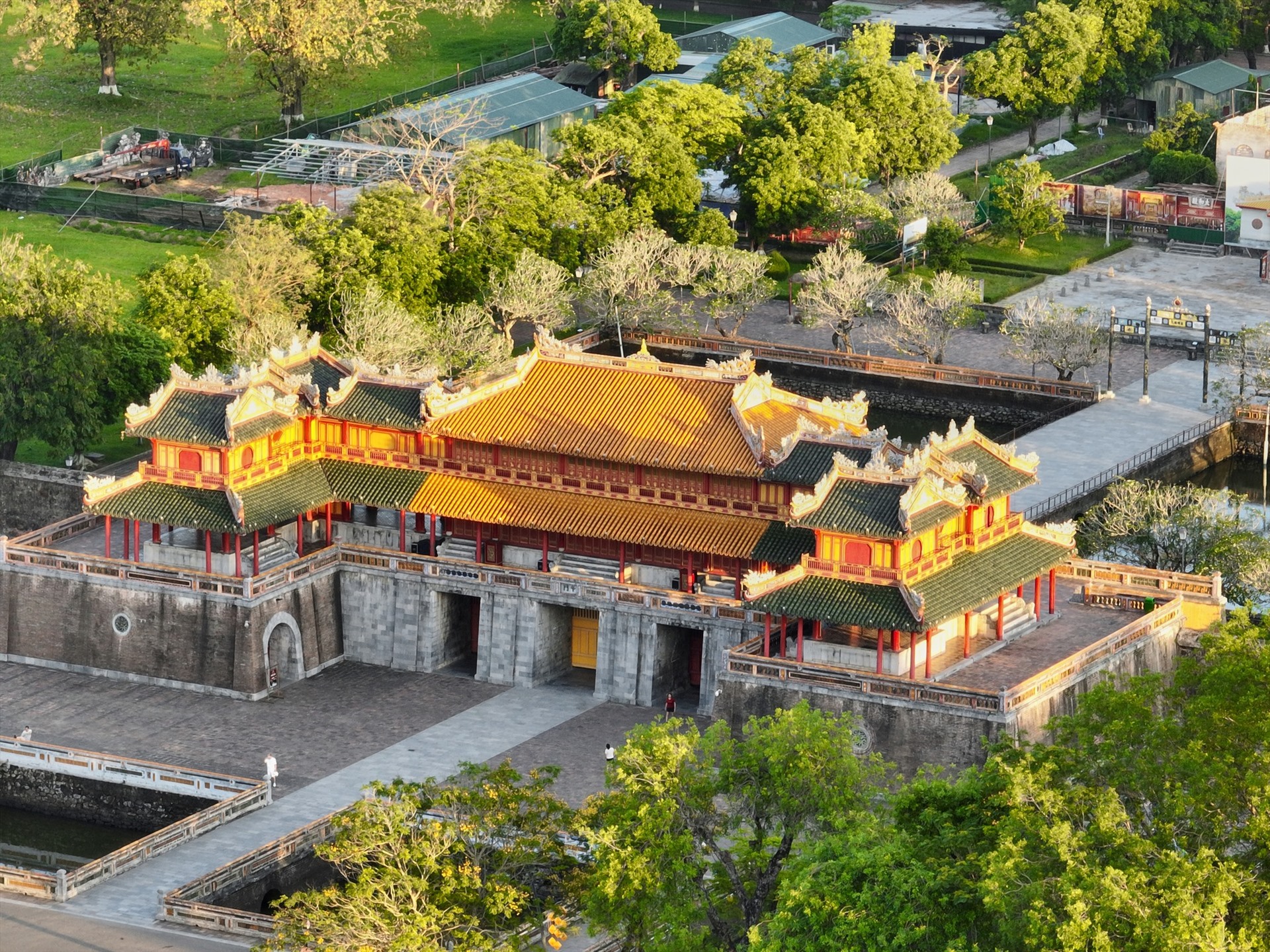
- Imperial City & Royal Tombs: The Imperial City sits right in the middle of Hue, enclosed by thick brick walls and a wide moat. Step through the Ngo Mon Gate, and you enter a world of old courtyards, lotus ponds, and faded yellow walls that once saw royal ceremonies. Outside the city are the tombs of three emperors — Tu Duc, Minh Mang, and Khai Dinh. Each tells a different story:
- Tu Duc’s Tomb is poetic and peaceful, surrounded by lakes and gardens.
- Minh Mang’s Tomb is grand and perfectly symmetrical, showing his love for order.
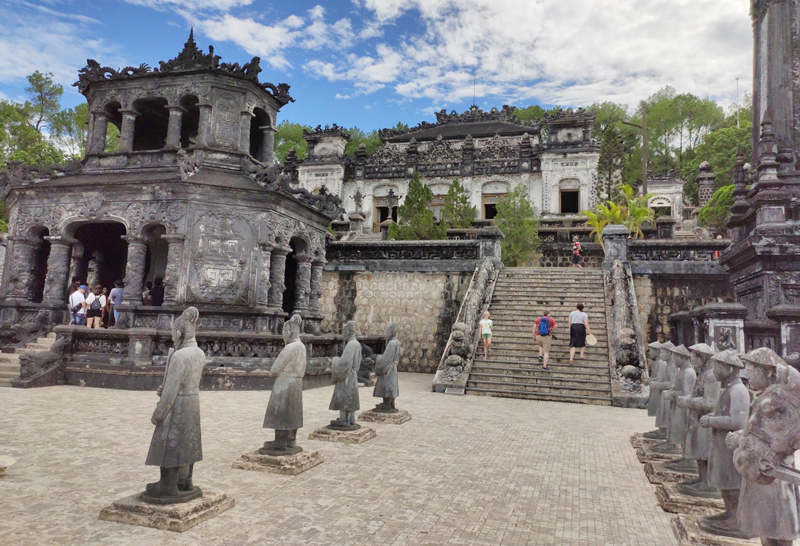
- Khai Dinh’s Tomb mixes Vietnamese and French styles, with colorful glass mosaics inside dark stone walls.
👉 Uncover the mystery behind this imperial tradition in our story: “Why Hue Became the City of Tombs“
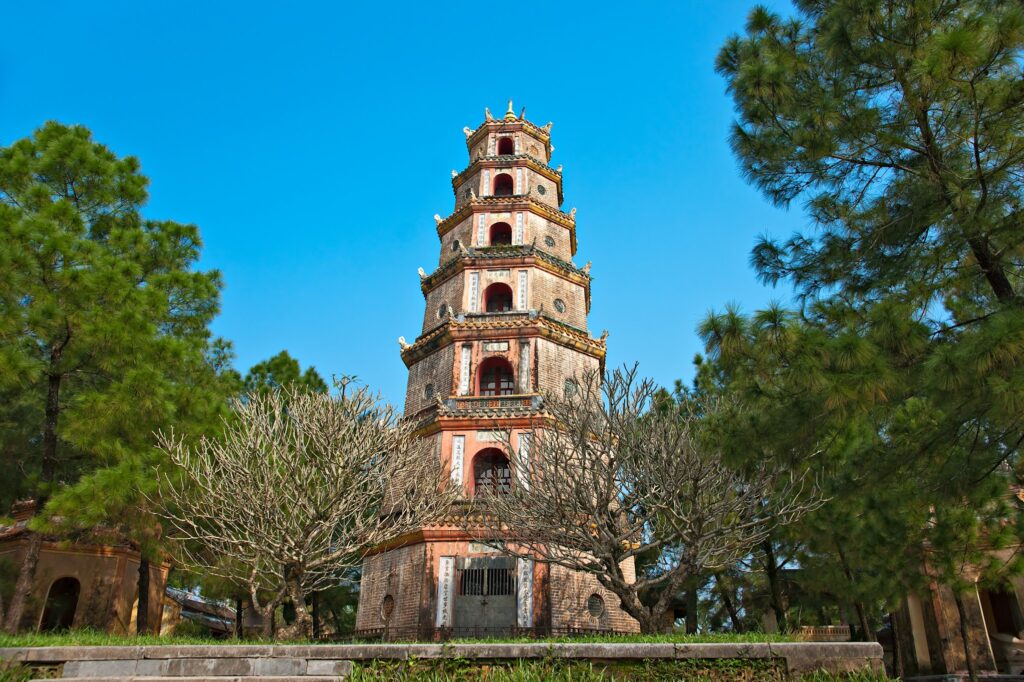
- Perfume River & Pagodas: The Perfume River flows quietly past pagodas and garden homes. A boat ride offers views of Thien Mu Pagoda, a seven-story tower perched on a hill overlooking the river, and glimpses of daily life along the banks.
- Garden Houses: Hue’s garden houses (nha vuon) are part of what makes the city special. They’re private homes surrounded by trees, ponds, and low walls covered in moss. Some, like An Hien Garden House, welcome visitors for tea. These homes were designed according to feng shui, balancing humans, nature, and spirit — a reflection of the quiet elegance that defines Hue.
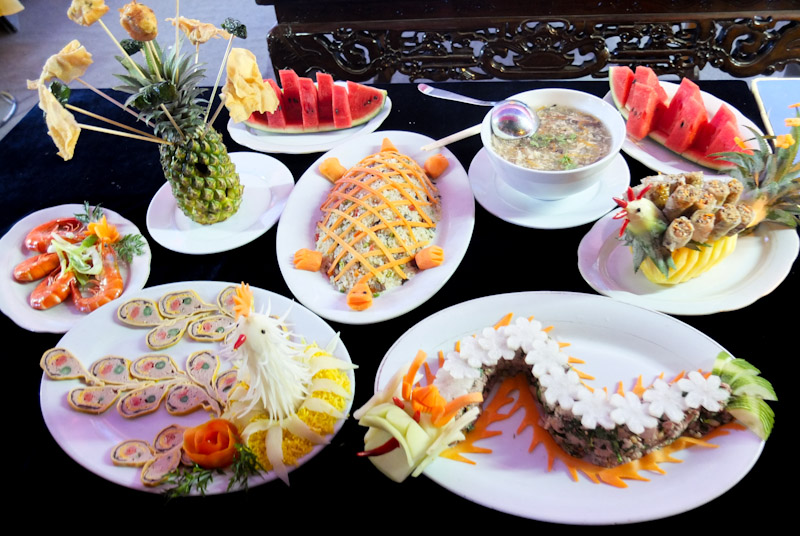
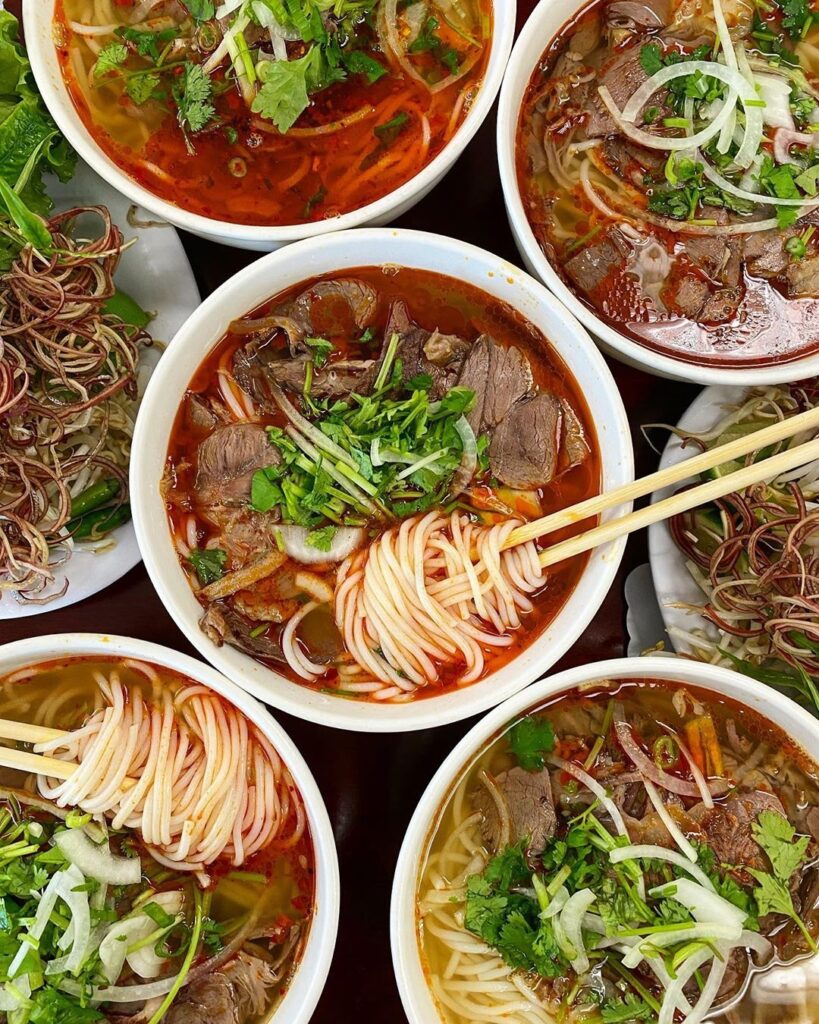
- Royal Arts & Cuisine: Hue’s culture was shaped by the royal court. Traditional court music (Nha nhac) is still performed today and has been recognized by UNESCO. The city’s food is also tied to its royal past. Locals still prepare delicate dishes once made for emperors — small, colorful, and full of flavor. Try banh beo (steamed rice cakes with shrimp), nem lui (grilled pork skewers), and the famous bun bo Hue — a spicy beef noodle soup that locals eat for breakfast.
- Riverside Cafes & Cycling Trails: Riverside cafés provide peaceful spots to enjoy strong Vietnamese coffee. Cycling routes take you past rice paddies, lotus lakes, and quiet villages just outside the city walls.
- Countryside & Lagoons: Hue is surrounded by peaceful countryside. Tam Giang Lagoon stretches for miles — a beautiful place at sunrise or sunset, where fishermen row through calm water. An hour south, Bach Ma National Park offers waterfalls, cool mountain air, and forest trails — a great day trip if you need a break from the city.
Step into royal heritage and poetic beauty of Hue with us.
How to plan a trip to Hue
How long to stay
- For a Classic Cultural Journey (2–3 days):
This is the perfect amount of time to experience Hue’s imperial legacy at a comfortable pace. You can explore the Imperial City, visit several of the most iconic royal tombs, and enjoy a relaxing cruise along the Perfume River while taking in the city’s tranquil atmosphere. - For a Slower, More Exploratory Stay (4–5 days):
With extra time, you can venture beyond the historic core to discover Hue’s surrounding nature. This allows for scenic day trips to nearby lagoons, national parks, or coastal areas, offering a deeper perspective on Central Vietnam’s landscapes and local life.
Best time to visit Hue
| 🌦️ Season | 🌤️ Weather | ⛱️ Best for | 📌 Note |
|---|---|---|---|
| February – April | Cool, pleasant weather | Outdoor activities on the Perfume River, or Hue Festival | Flowers in bloom, nice for photos |
| May – August | Hot, Sunny | Beach Relax | Bring sun protection |
| September – January | Cooler with light rain | Visit the relics and tombs | Pack a light raincoat |
Money & Connectivity
- Major hotels and upscale restaurants accept credit cards, but cash is needed at local eateries and for entrance fees.
- SIM cards from Viettel or Mobifone are available at Phu Bai Airport and convenience stores.
Local Etiquette
- Dress modestly when visiting temples and tombs.
- Avoid loud voices in sacred places.
- A smile and a small bow are polite ways to greet locals.
Getting to Hue
- By Air:
Phu Bai International Airport (~30 minutes from downtown) connects Hue with Hanoi, Ho Chi Minh City, and other major cities. - By Train:
The coastal railway from Da Nang to Hue offers spectacular views of mountains and sea. Trains run several times a day and are a scenic alternative to flying. - By Bus:
Sleeper and tourist buses run frequently between Hue, Da Nang, Hoi An, and cities to the north. Travel time from Da Nang is about three hours - Getting Around Hue:
- Cycling is ideal for exploring the citadel and nearby countryside.
- Use taxis or ride-hailing apps for longer trips to tombs or pagodas.
- Hop on a cyclo (xich-lo) for a nostalgic ride around the old streets.
Local festivals & events
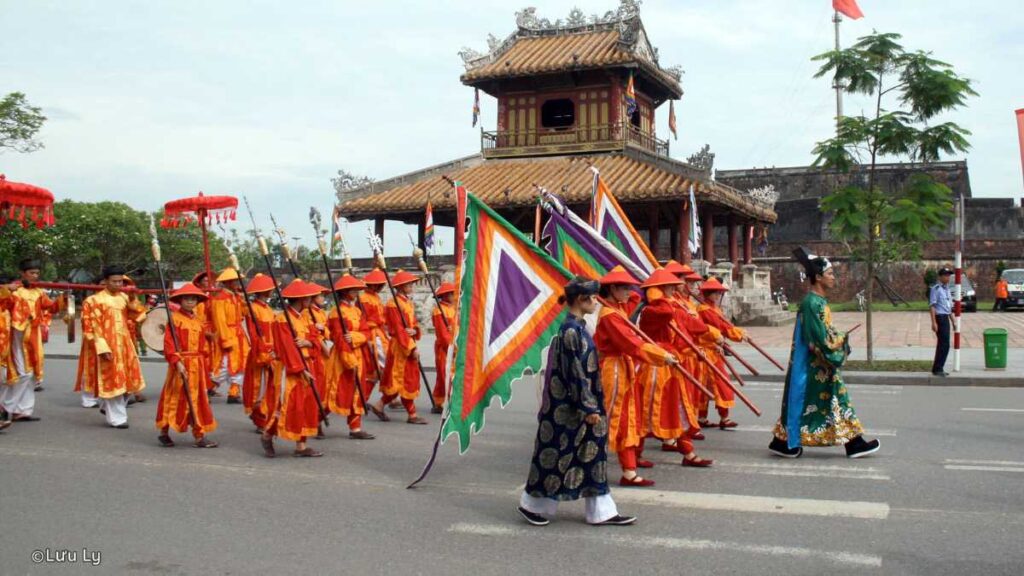
- Hue Festival (every two years, April or June) – Street parades, royal arts, and light shows.
- Perfume River Lantern Festival (during Tet and Mid-Autumn) – Locals float lanterns down the river to send wishes.
- Tet Holiday (January/February) – Temples bustle with families praying for luck.

Best Things to Do in Hue
From ancient palaces to peaceful pagodas and riverside gardens, Hue invites you to explore the heart of Vietnam’s royal past. Here are our top things to do




1. Explore the Imperial City
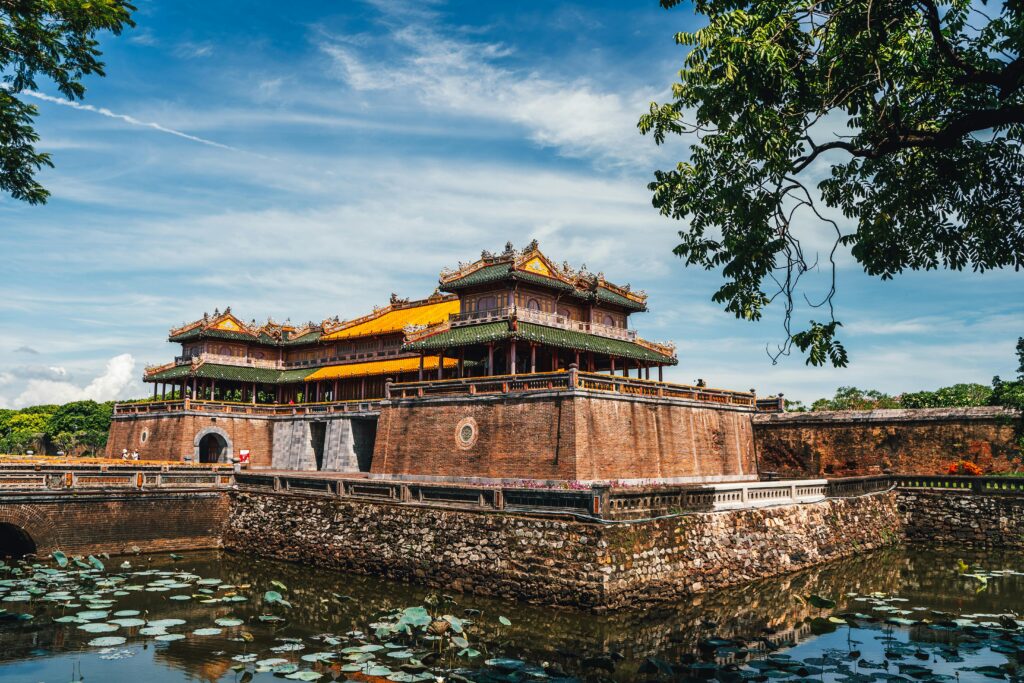
Enter through Ngo Mon Gate and wander across courtyards, palaces, and lotus ponds that once formed the political heart of the Nguyen Dynasty. Moving slowly through the complex helps reveal how ritual, power, and daily life once intersected behind the citadel walls.
2. Visit the Royal Tombs
Scattered along the Perfume River, the tombs of Tu Duc, Minh Mang, and Khai Dinh reflect very different personalities and philosophies. Each site blends architecture, landscape, and symbolism into a quiet, contemplative setting.
3. Cruise the Perfume River
A boat ride along the river offers a softer perspective of Hue. Pagodas, garden houses, and village life drift by at an unhurried pace, often accompanied by traditional music in the background.
4. Climb Thien Mu Pagoda
Perched on a hill overlooking the river, Thien Mu Pagoda is one of Hue’s most recognizable landmarks. From the top, views stretch across the Perfume River and surrounding countryside.
5. Cycle through the countryside
Beyond the city center, quiet roads pass rice fields, lotus ponds, and village houses. Cycling here offers a glimpse of everyday life that feels far removed from Hue’s royal past.
6. Watch traditional court music performances
Nha Nhac, Hue’s royal court music, is recognized by UNESCO. Performed with traditional instruments and costumes, it preserves a ceremonial art form once reserved for the imperial court.
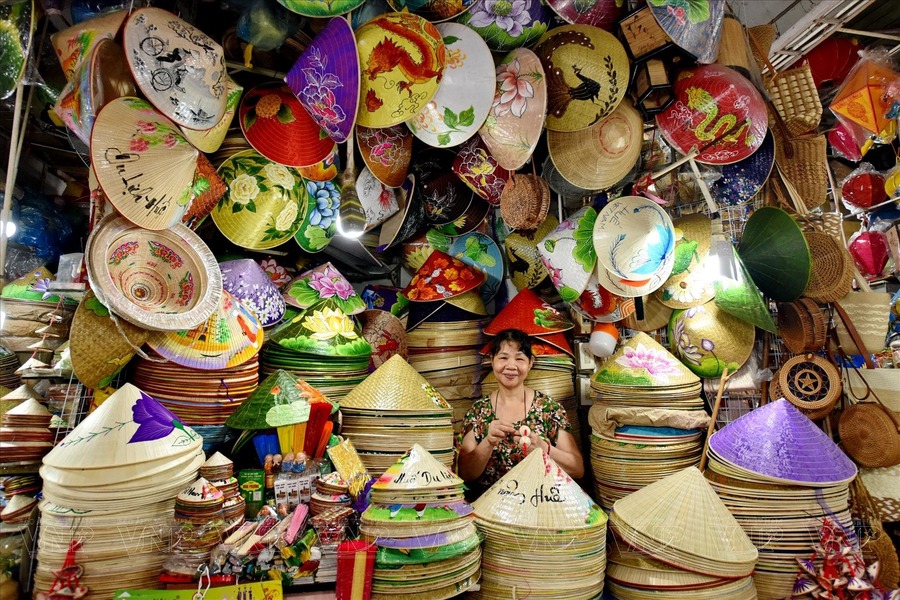
7. Visit Dong Ba Market
Near the Perfume River, Dong Ba Market is where Hue’s daily rhythms are most visible. Stalls sell fresh produce, local snacks, and everyday goods alongside regional specialties.
8. Take a day trip to Bach Ma National Park
About an hour from Hue, Bach Ma offers cooler air, forest trails, and waterfalls. It’s a refreshing contrast to the city’s flat terrain and historic focus.
What to Eat in Hue
Hue’s soul is found in its royal flavors and humble street dishes alike
- Bun Bo Hue: Spicy beef noodle soup native to the city.
- Banh Beo: Steamed rice cakes topped with shrimp and scallions.
- Banh Khoai: Crispy Hue-style pancakes.
- Nem Lui: Lemongrass pork skewers wrapped with rice paper and herbs.
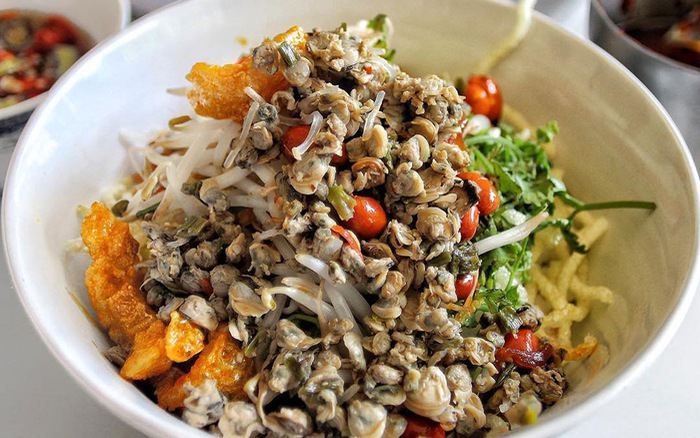
- Com Hen: Clam rice with peanuts and fresh herbs.
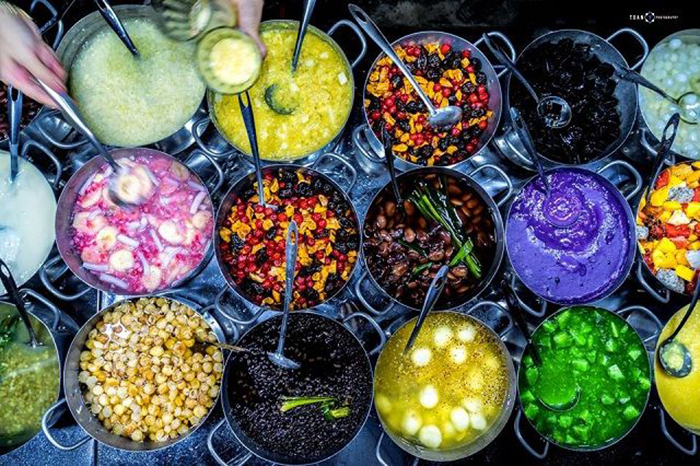
- Che Hue: Assorted sweet soups made with beans, fruit, or jelly.
- Banh Loc & Banh Nam: Tapioca and flat rice dumplings wrapped in banana leaves
Travel Tips for a Smooth Trip
We want your trip to be as incredible as possible, so here are a few insider tips:
- Visit tombs early in the morning or late afternoon to avoid crowds and heat.
- Hire a local guide in the Imperial City for deeper insights.
- Bring insect repellent when exploring gardens or the countryside.
- Many local restaurants close by 8:00 PM—plan dinner accordingly.
- Respect local customs and take your time—Hue rewards a leisurely pace.
Where to Go Next?
- Da Nang: A modern beach city with vibrant nightlife, 2.5 hours away by train or car.
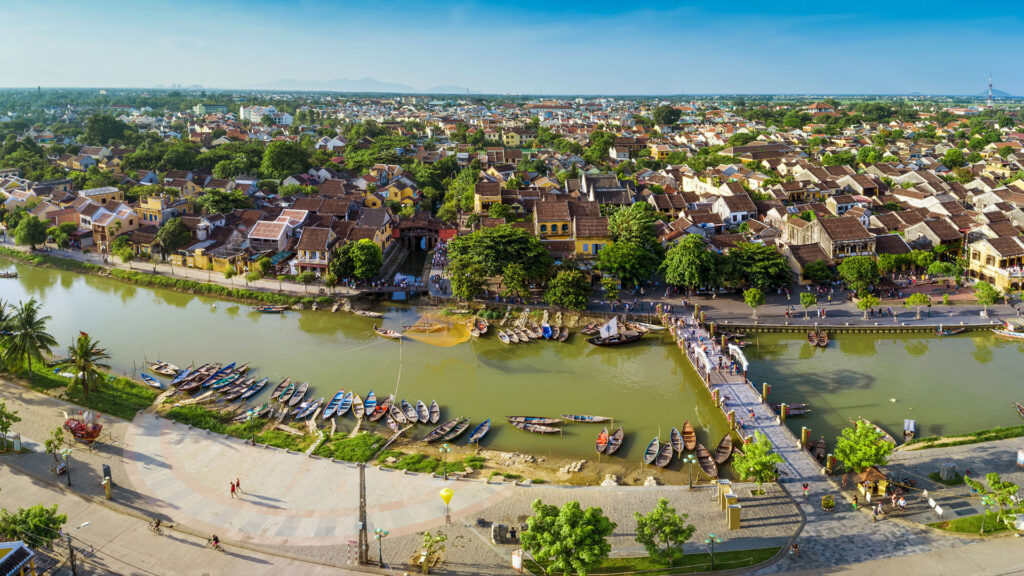
- Hoi An: Famous for its lantern-lit streets and ancient architecture, about 3 hours south.
- Phong Nha: Home to world-renowned caves and jungle treks, 4–5 hours north.
Not sure where to go next? Let us help you customize your Vietnam Journey
Tours in Hue
Central Vietnam Highlight
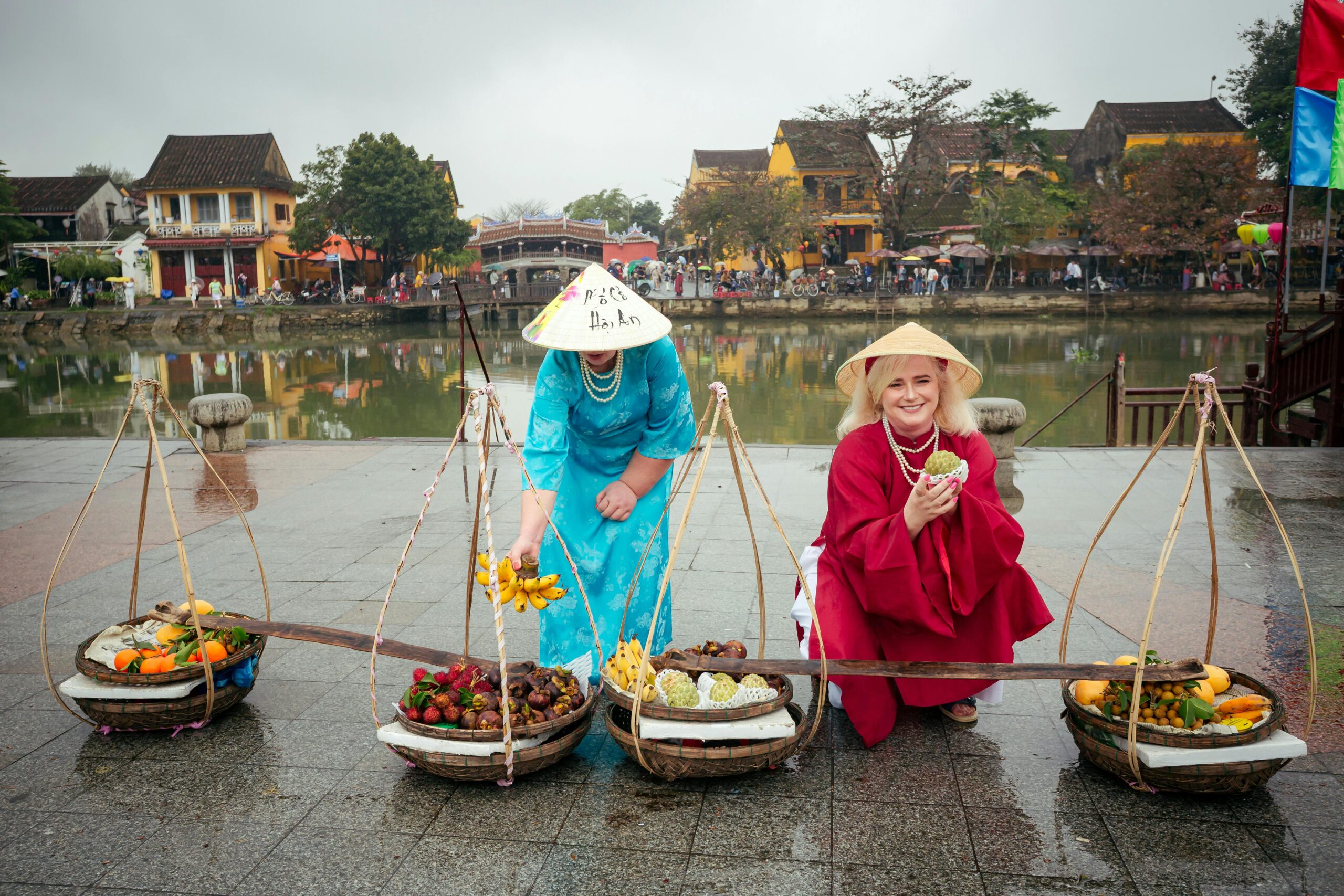
7-day journey connects Da Nang’s coastal beauty, Hoi An’s lantern-lit charm, and Hue’s imperial legacy.
Central Vietnam Heritage
7-day Explore Vietnam Heritage – Hoi An’s Lantern-lit streets – Hue’s Royal tombs and Phong Nha’s spectacular caves.
Central Vietnam Wonders
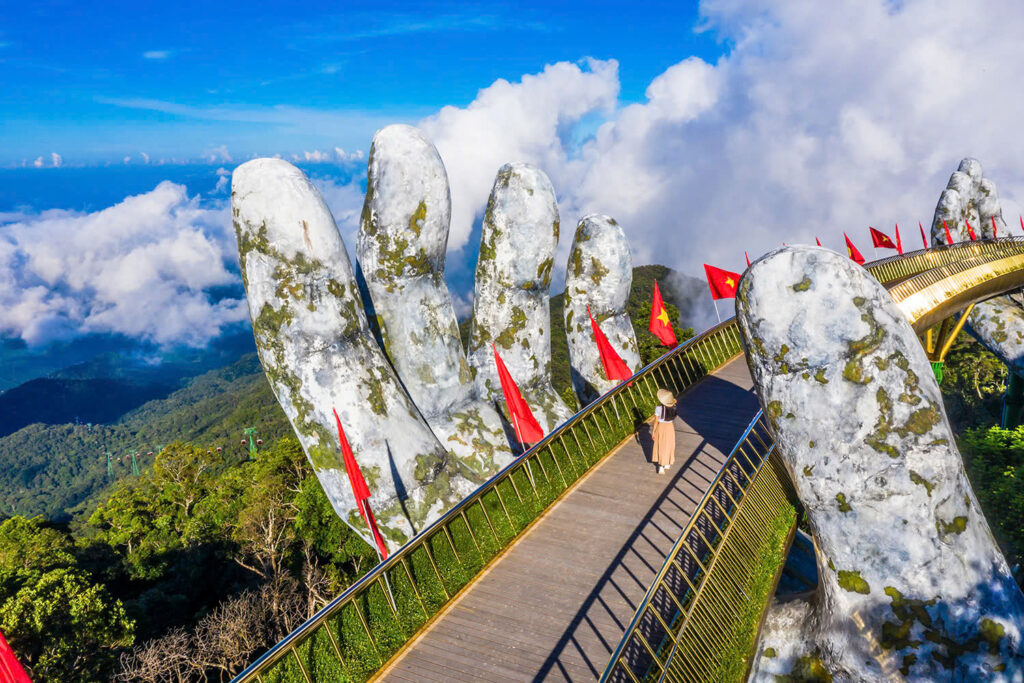
7-day Journey through Central Vietnam’s Wonder — Ba Na Hills, imperial Hue & majestic caves of Phong Nha.