



Your cart is empty Continue Shopping
A Gourmet’s Guide to Ho Chi Minh City: Beyond the Tourist Favorites
When travelers wonder what to eat in ho chi minh city, they often encounter a culinary “melting pot” that feels more like a pressure cooker. The sheer volume of street food stalls, hidden alleyway cafes, and high-end bistros can be overwhelming.
If you have already explored the delicate, subtle flavors of Northern Vietnam, prepare for a change. In the South, the food is bolder, sweeter, and significantly more herb-forward—a direct reflection of the abundance of the nearby Mekong Delta.
This ho chi minh city food guide defines the target dishes and dining styles that will help you move beyond the “backpacker” staples and experience the true culinary heart of Saigon.
The Soul of the South: What Makes Saigon Food Different?
The defining characteristic of Saigonese cuisine is its “Southern Palate.” Historically influenced by Khmer and Chinese trade, as well as the tropical bounty of the Delta, the flavors here are vibrant. You will notice a generous use of coconut milk, palm sugar, and a mountain of fresh herbs (rau thom) served with almost every meal.
In contrast to the North, which is the home of tradition, Saigon is the home of innovation. Here, traditional recipes are often reinvented with a modern, urban flair, making the question of what to eat in ho chi minh city an ever-evolving journey.
Who is this Ho Chi Minh City Food Guide for?
This guide is for the “Cautious Foodie” who wants to dive into the street food scene but is worried about hygiene, as well as the “Gourmet Traveler” looking to explore Saigon’s recent Michelin-starred revolution and sophisticated fusion concepts.
What to Eat in Ho Chi Minh City: The “Big 3” Must-try Dishes
If you only have 48 hours in the city, here is our Ho Chi Minh City Food Guide – prioritize these three experiences. They represent the history and daily rhythm of the locals.
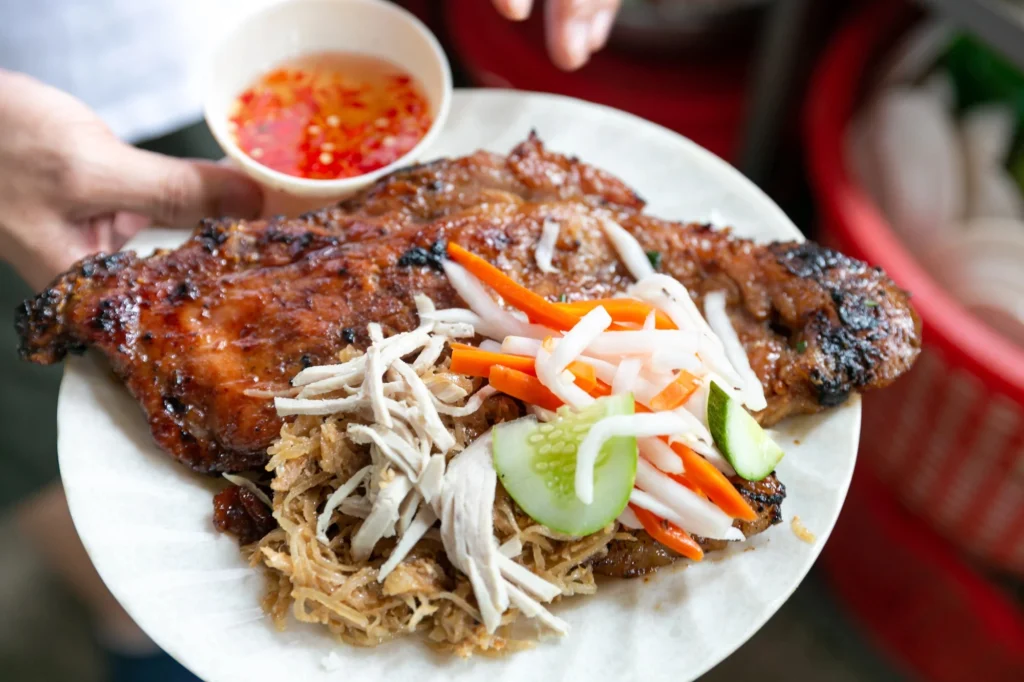
1. Com Tam (Broken Rice)
Originally a dish created by poor farmers using “broken” rice grains that couldn’t be sold, Cơm Tấm is now the quintessential Saigonese meal.
Ginkgo’s Choice: Cơm Tấm Ba Ghiền
- 📍 Location: 84 Dang Van Ngu, Phu Nhuan District.
- The Experience: This is a Michelin Bib Gourmand spot famous for its giant, tender pork chops. It’s a busy, authentic local eatery that maintains high standards of food quality and flavor.
- Ginkgo’s Insider Tip: The portions are huge. If you’re not a heavy eater, consider sharing a plate so you have room for more snacks later.
2. Banh Xeo (Sizzling Pancake)
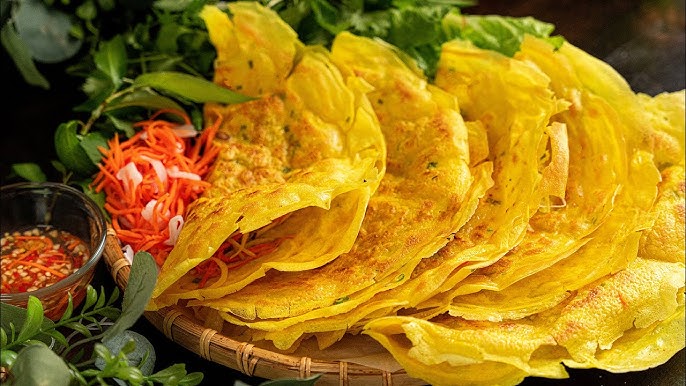
The Southern Bánh Xèo is a giant compared to its central counterparts. It is a crispy, turmeric-yellow crepe filled with pork, shrimp, and bean sprouts.
Ginkgo’s Choice: Bánh Xèo Ăn Là Ghiền
- 📍 Location: 84 Suong Nguyet Anh, Ben Thanh, District 1
- The Experience: This restaurant offers a clean atmosphere. They specialize in dozens of healthy fillings and ensure all herbs are washed thoroughly, making it a safe and comfortable choice for travelers.
- Ginkgo’s Insider Tip: Don’t use a fork. Use a large mustard leaf to wrap a piece of the pancake with herbs, then dip it into the light fish sauce for the full experience.
3. Hu Tieu Nam Vang
This noodle soup reflects the city’s multi-cultural roots. Unlike Phở, Hủ Tiếu uses a rich pork-based broth and can be served “dry” or “wet.”
Ginkgo’s Choice: Hủ Tiếu Hồng Phát
- 📍 Location: 293 – 295 Ly Tu Trong, District 1 or 389-391 Vo Van Tan, District 3
- The Experience: A Michelin Selected restaurant with over 50 years of history. It offers a sophisticated, air-conditioned space and top-tier ingredients like fresh tiger prawns and quail eggs.
- Ginkgo’s Insider Tip: Order the “Dry” version. The noodles are tossed in a savory signature sauce, allowing you to enjoy the textures before sipping the hot broth on the side.
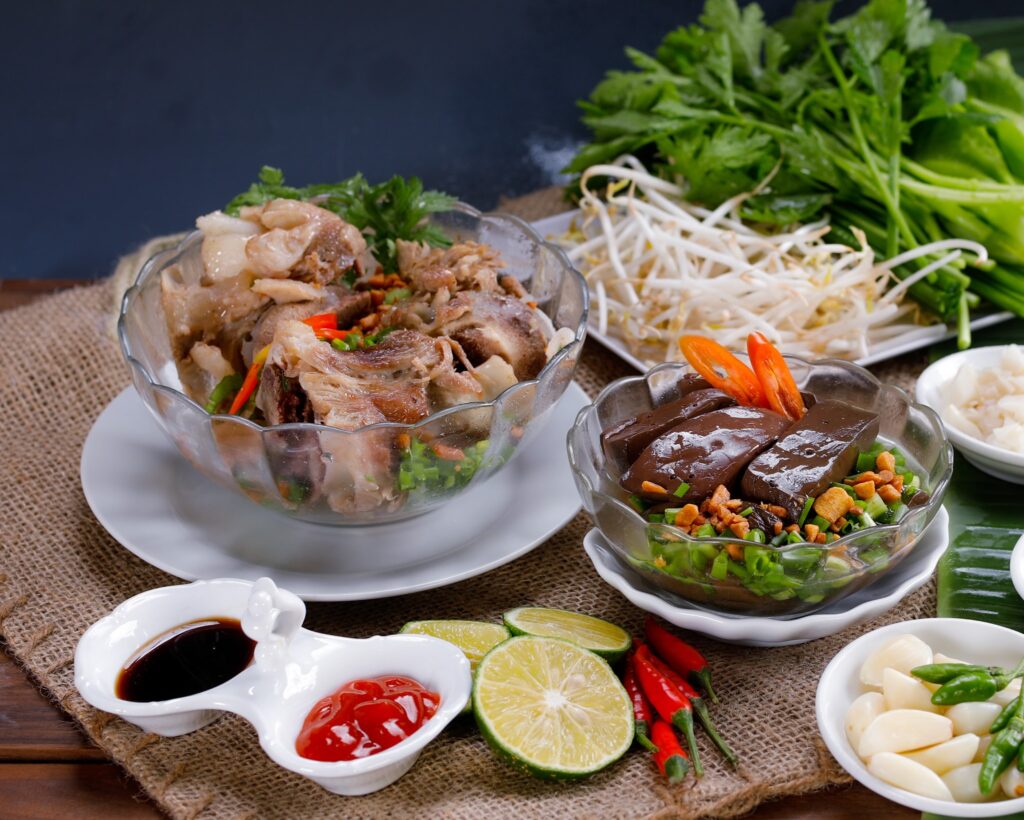
Street Food vs Refined Dining: Finding the Balance
In 2023, the arrival of the Michelin Guide confirmed what locals already knew: Saigon is a world-class culinary capital. However, a common question for travelers is whether they should risk street food or stick to restaurants. At Ginkgo Voyage, we believe the best itineraries include both.
- The Street Food Trade-off: Eating on a plastic stool at a busy intersection is an essential Saigon experience. It offers a front-row seat to the city’s energy.
- The Refined Alternative: In recent years, Saigon has seen a rise in “Modern Vietnamese” cuisine. Restaurants like Anan Saigon (the city’s first Michelin star) or SH Garden take traditional flavors and present them with world-class technique and hygiene standards.
Our Advice: Use the daytime for authentic street food explorations and save your evenings for the city’s sophisticated rooftop or heritage-house restaurants.
Whether you are looking for a sophisticated tasting menu or a refined take on classic comfort food, the city’s upscale dining scene offers unparalleled quality. To help you navigate these choices, we have curated a selection of the city’s top culinary destinations. Explore our complete guide to the Best Restaurants in Ho Chi Minh City here.
Coffee Culture: More than Just a Drink
You cannot understand Saigon without its coffee. It is the city’s social heartbeat.
- Cà Phê Sữa Đá: The classic iced coffee with condensed milk. It is strong, sweet, and designed to be sipped slowly while people-watching.
- The Apartment Cafe Movement: For a more modern vibe, head to 42 Nguyen Hue. This former residential block is now home to dozens of boutique cafes. Each one offers a different aesthetic, from minimalist Japanese styles to lush, plant-filled balconies.
The Hidden Gem: Exploring Cho Lon (Chinatown)
For the serious foodie, a trip to District 5 (Chinatown) is essential. Here, the flavors lean toward the Cantonese side—think roasted duck, handmade dumplings, and traditional Chinese herbal desserts. It is less “touristy” than District 1 and offers a much deeper look at the city’s complex heritage.
Is Street Food Safe?
This is the number one question we hear from travelers. The answer is YES, if you follow a few local rules:
- The “High Turnover” Rule: Look for stalls where the locals are queuing. A high volume of customers means the ingredients are being replaced constantly and aren’t sitting out in the heat.
- The Ice Mystery: Most ice in Saigon’s central districts is produced in industrial factories and is perfectly safe for Tra Da (iced tea). However, look for “tube ice” (with a hole in the middle) rather than crushed ice for maximum safety.
- The Freshness Window: In Saigon, food is freshest during the “peak” windows: 7:00 AM – 9:00 AM for breakfast and 6:00 PM – 8:00 PM for dinner. Outside these hours, stalls are often winding down.
Taste the City with Ginkgo Voyage
Exploring the food scene on your own can be rewarding, but navigating the hidden alleys where the best gems are located requires local knowledge.
- Want the full planning picture? Check our Ho Chi Minh City Travel Guide to see how to pace your meals between sightseeing.
- Ready for a curated tasting? Join our Saigon Street Food Tour. We skip the “tourist versions” of dishes and take you to family-run stalls that have been perfecting their recipes for generations, followed by a refined look at the city’s modern culinary evolution.
Now that you know what to eat in ho chi minh city, don't forget to consider when is the best time to visit Ho Chi Minh City to ensure your culinary journey is perfectly timed
Check our relevant tours
Below are our curated tours, which include a visit to the Ho Chi Minh City:

Glimpse of Vietnam
10-day journey start from Ho Chi Minh, to the North through the Mekong Delta, Central Heritage towns, and iconic Northern landscapes.
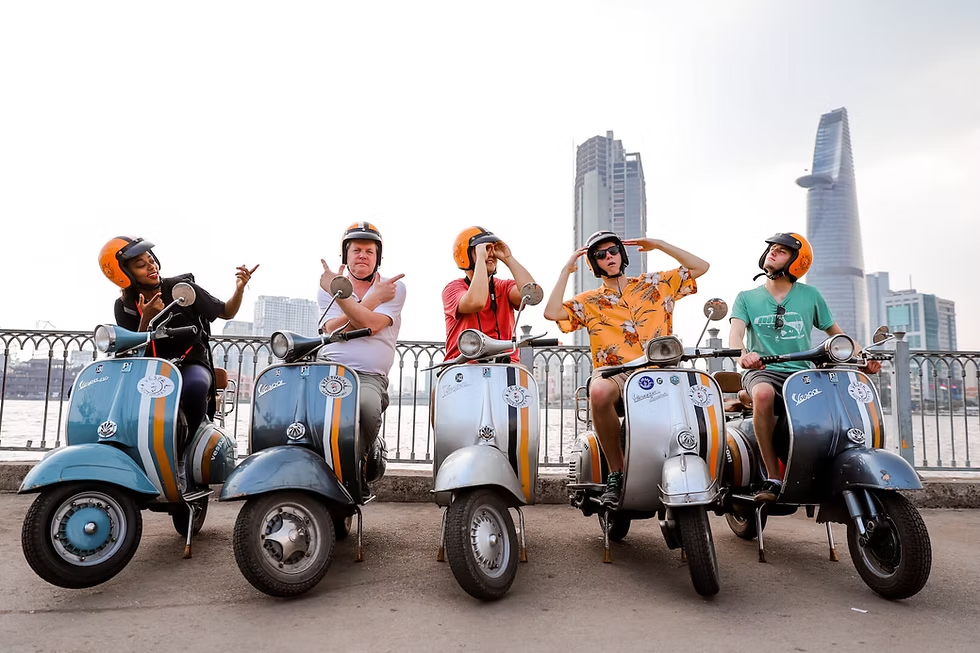
Southern Vietnam Unfold
An 8-day Southern Vietnam journey blending food, culture, and relaxation — from Saigon to Mekong and beyond Phu Quoc Island
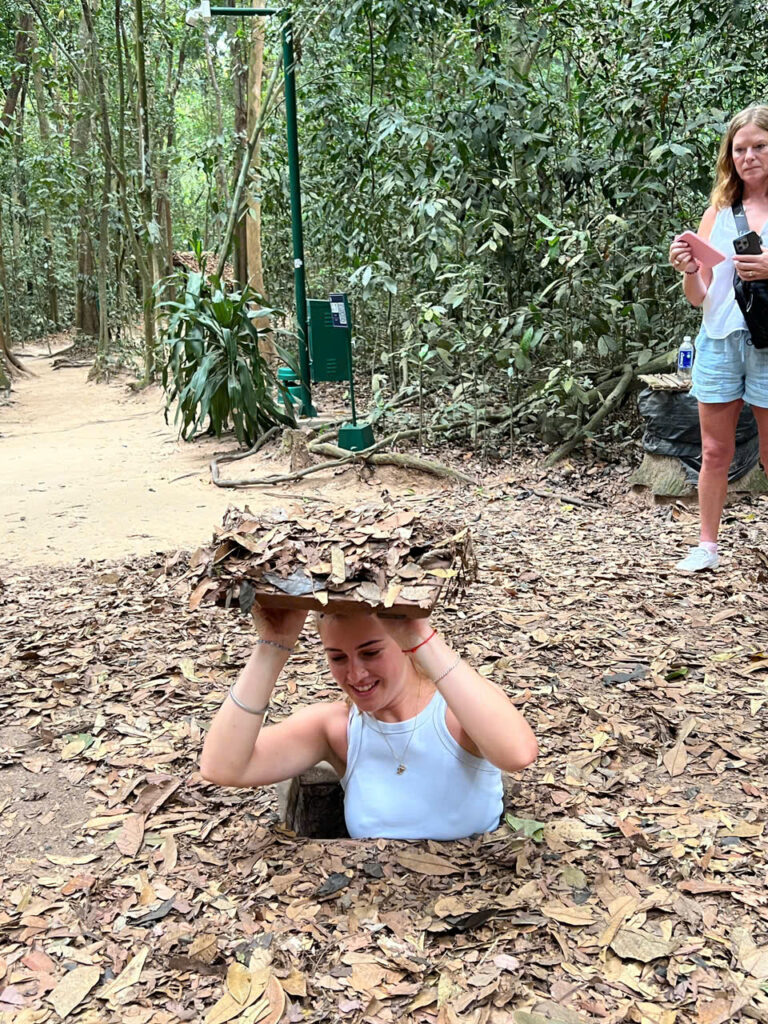
Cu Chi & Ho Chi Minh City
Explore Cu Chi Tunnels and key destinations of Ho Chi Minh City within 1 day
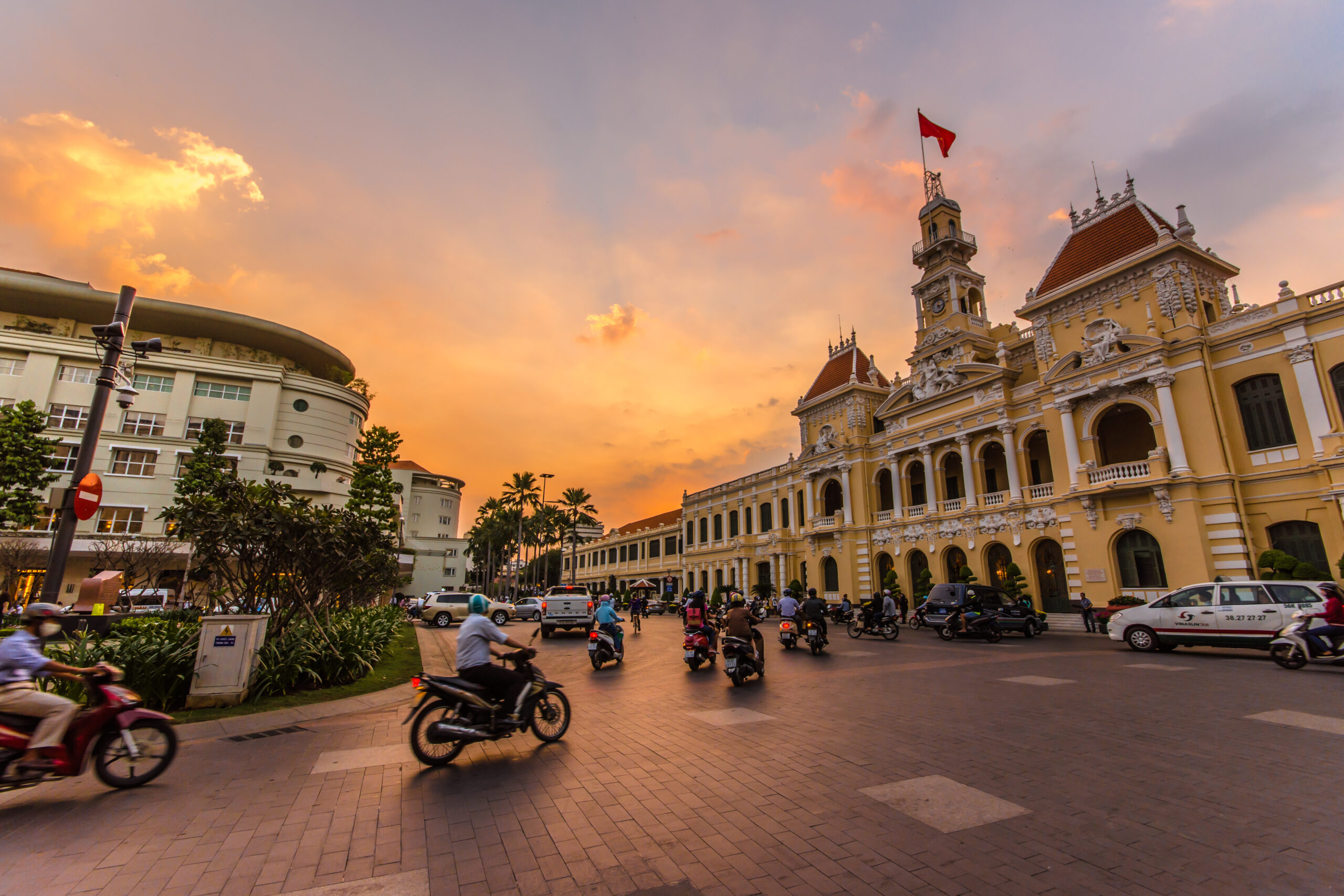
Want a True Sense of Services? Let us help you customize your Vietnam Journey