

Introduction to Lan Ha Bay
If Halong Bay is the famous, bustling queen of Vietnam’s north, Lan Ha Bay is her quieter, wilder sister.
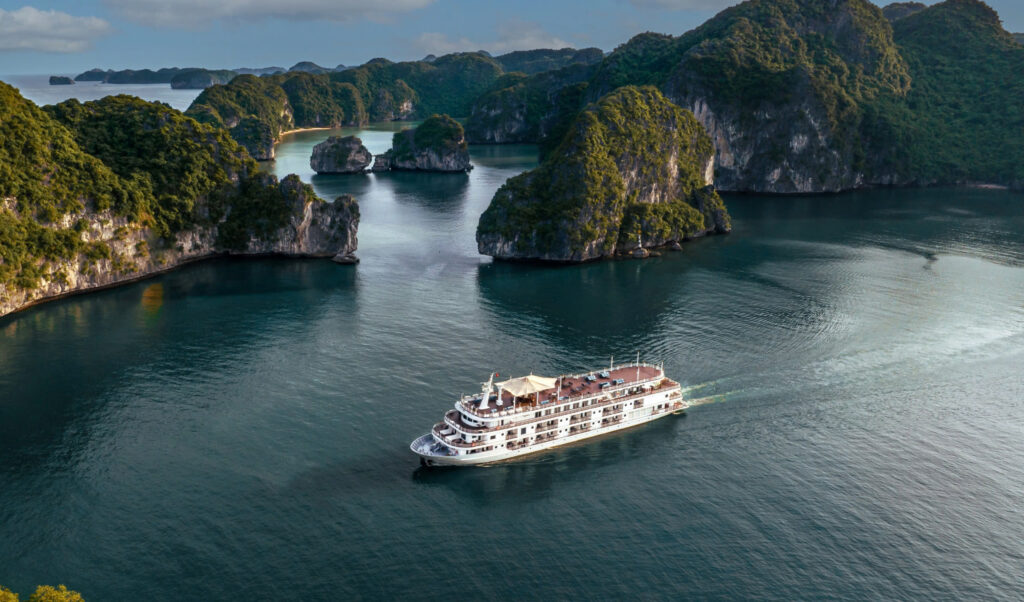
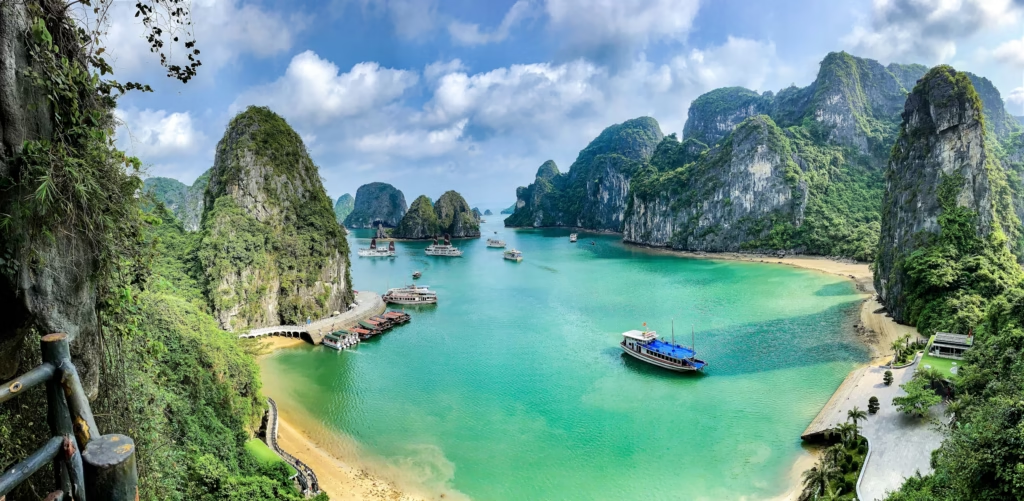
Located just south of Halong Bay and wrapping around the eastern coast of Cat Ba Island, Lan Ha Bay shares the same spectacular geology—towering limestone karsts rising from emerald waters—but without the heavy boat traffic.
Here, the water feels cleaner, the pace is slower, and the silence is real. Instead of thousands of tour boats, you’ll see local fishermen rowing bamboo baskets and eagles circling the cliffs.
It is one of the few places where you can still jump off the boat for a swim in the middle of the bay, kayak through sea caves into hidden lagoons, and cycle to isolated villages nestled in the jungle. This Lan Ha Bay travel guide is for travelers seeking the majesty of the Gulf of Tonkin without the crowds.
Quick Facts about Lan Ha Bay
Before diving into details, here’s a quick snapshot to help you understand what makes Lan Ha Bay such a worth experiencing destination.
| Category | Details |
|---|---|
| Location | Northern Vietnam; off the coast of Hai Phong, south of Ha Long Bay |
| Airport | Cat Bi International Airport (HPH), Hai Phong; ~30 km to the pier |
| Best known | Quiet alternative to Ha Long Bay with emerald waters and limestone karsts |
| Popular areas | Lan Ha Bay, Dark & Bright Cave, Ba Trai Dao Beach, Cat Ba Island |
| Travel style | Slow cruising, kayaking, nature-focused exploration |
| Climate | Warm and humid summers; cooler, drier winters |
| Ideal stay | 2–3 days |
| Best time to visit | March–May and September–November (pleasant weather, calm seas) |
What makes Lan Ha Bay Special?
- The Karsts & Lagoons: Technically, Lan Ha Bay is an extension of Halong Bay, but it counts 400 limestone islands of its own. Unlike Halong, all the islands here are covered in green vegetation, giving the landscape a lush, wild feel. The bay is a maze of lagoons and “sea lakes”—bodies of water completely enclosed by cliffs, accessible only by kayak or small sampan boats.
- Dark & Bright Cave (Hang Sang Toi): This is the bay’s most iconic natural wonder. It is not a walking cave, but a water cave. You paddle a kayak or sit in a bamboo boat rowed by a local to pass through a long, dark tunnel. On the other side, you emerge into a silent, enclosed lake surrounded by high cliffs filled with orchids and mischievous macaques.
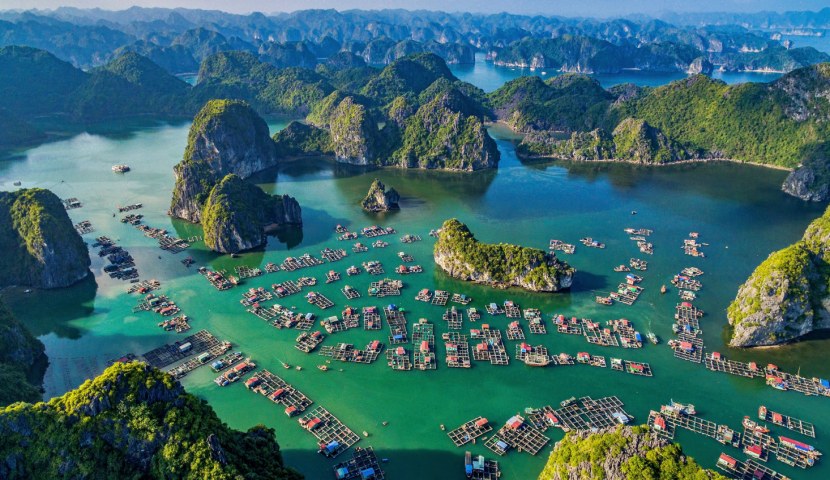
- Cai Beo Floating Village: Dating back 7,000 years, Cai Beo is one of the oldest floating fishing villages in Vietnam. As your boat cruises past, you’ll see a floating world of raft houses, fish farms, and families who live their entire lives on the water. It’s a fascinating, living piece of heritage that feels worlds away from modern life.
- Cat Ba Island: Lan Ha Bay hugs the coast of Cat Ba, the largest island in the Gulf of Tonkin. Most travelers combine a bay cruise with a stay on the island to explore Cat Ba National Park, hike to Ngu Lam Peak for panoramic views, or visit the historic Hospital Cave used during the war.
- Viet Hai Village: Deep within the national park and accessible only by boat or a challenging trek, Viet Hai is a secluded village surrounded by jungle-clad mountains. It is a “valley of silence” where you can cycle along paved paths, watch water buffalo graze, and see traditional wattle-and-daub houses.

How to plan a trip to Lan Ha Bay
How long to stay
- For a classic cruise experience (1–2 days):
The most common choice, giving you enough time to kayak through limestone karsts, swim in secluded lagoons, and enjoy an overnight stay surrounded by the bay’s quiet scenery. - For a more immersive exploration (3–4 days):
Ideal if you want to venture deeper into quieter corners of the bay. This timeframe allows for either two nights cruising or a combination of one night onboard and one night on Cat Ba Island, where you can trek the national park and explore local life on land.
Best time to visit Lan Ha Bay
| 🌦️ Season | 🌤️ Weather | ⛱️ Best for | 📌 Note |
|---|---|---|---|
| Mar – May (Spring) | Warm, mostly dry, clear skies | Kayaking, swimming, photography | Peak season for international travelers. |
| Jun – Aug (Summer) | Hot, humid, occasional storms | Swimming, domestic tourism | Crowded with local tourists; risk of typhoons. |
| Sep – Nov (Autumn) | Cool, breezy, sunny | Cruising, trekking Cat Ba | The most romantic time to visit. |
| Dec – Feb (Winter) | Cold, misty, moody | Atmosphere, relaxation | Water can be too cold for swimming. |
Money & Connectivity
- On Cruises: You can usually pay for drinks and extras with a card
- On Cat Ba Island: ATMs are available in Cat Ba Town, but cash is king for street food, mototaxis, and small shops.
Local Etiquette
- Plastic Waste: Lan Ha Bay is striving to be eco-friendly. Avoid bringing single-use plastic bottles on board; most cruises provide refill stations.
- Respect Local Customs: Remove your shoes when entering a family home or temple. It is also polite to ask for permission before taking photos of locals.
How to Get to Lan Ha Bay
Getting here is different from the traditional Halong route. You will likely travel via Hai Phong City rather than Quang Ninh.
- By Bus + Ferry:
The most common and convenient route. Travel from Hanoi’s Old Quarter to Got Pier (Hai Phong) by tourist bus or limousine van, then take a speedboat or ferry to Cat Ba Island before transferring to Cat Ba Town or Ben Beo Pier. Travel time: Approximately 3.5–4 hours. - By Private Car:
The most flexible option, allowing direct transfer from Hanoi to Got Pier or Tuan Chau Marina, depending on your cruise departure point. Always confirm the correct pier on your cruise voucher before departure. - By Train:
For a slow travel experience, take the train from Hanoi to Hai Phong. From Hai Phong station, take a taxi to the ferry terminal to cross over to Cat Ba.
Best Things to Do in Lan Ha Bay
From quiet kayaking routes to gentle overnight cruises, Lan Ha Bay offers experiences that highlight its calm waters, dramatic limestone scenery, and slower pace of travel.


1. Spend the Night on a Boutique Cruise
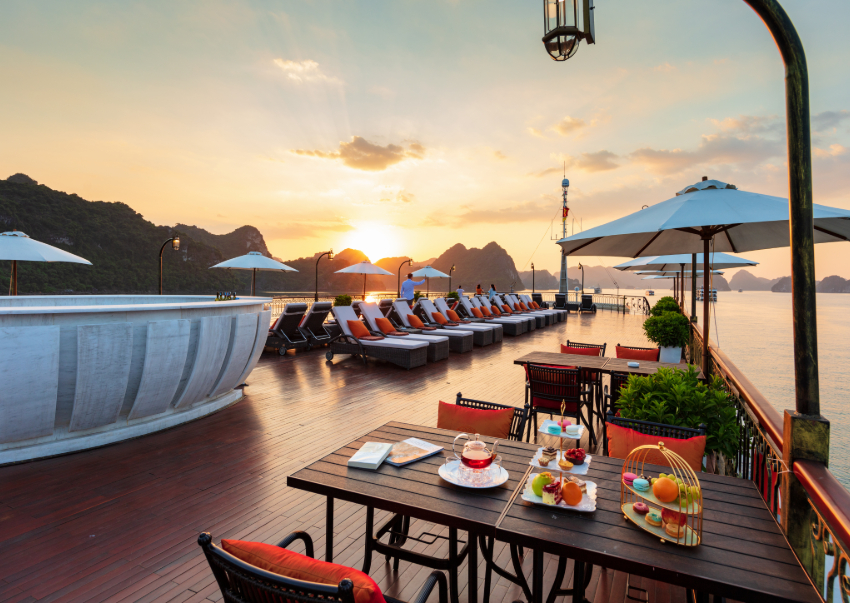
Waking up to the sun rising over the limestone karsts is magical. Lan Ha cruises are generally smaller, newer, and more luxurious than the older fleets in Halong Bay.
2. Kayak through Lagoons
The water here is calm and perfect for paddling. Glide through rock arches and into hidden lagoons where the only sound is your paddle hitting the water.
3. Swim at Ba Trai Dao (Three Peaches) Beaches
Unlike Halong Bay (where swimming is restricted), Lan Ha Bay allows you to swim freely in designated areas. Ba Trai Dao is a cluster of islets with small, pristine sandy beaches that emerge at low tide.
4. Cycle to Viet Hai Village
Hop off your boat and onto a bicycle for a 5km ride through the jungle tunnel to this isolated village. You can dip your feet in a stream where “fish massage” (fish nibbling your skin) is a fun local tickle.
5. Trek in Cat Ba National Park
Head inland to hike the Ngu Lam Peak trail. It’s a steep climb, but the view from the top—looking down over the jagged green mountains—is one of the best in Vietnam.
6. Rock Climbing
With its sheer limestone cliffs and deep water, Lan Ha Bay is a world-class destination for Deep Water Soloing (climbing without ropes and falling into the water) and sport climbing. Moody Beach and Butterfly Valley are top spots.
7. Explore Hospital Cave (Quan Y Cave)
A fascinating look at wartime history, this three-story hospital was built inside a cave to protect soldiers from bombings. It’s an engineering marvel with operating rooms and a cinema, still perfectly preserved.
8. Visit Trung Trang Cave
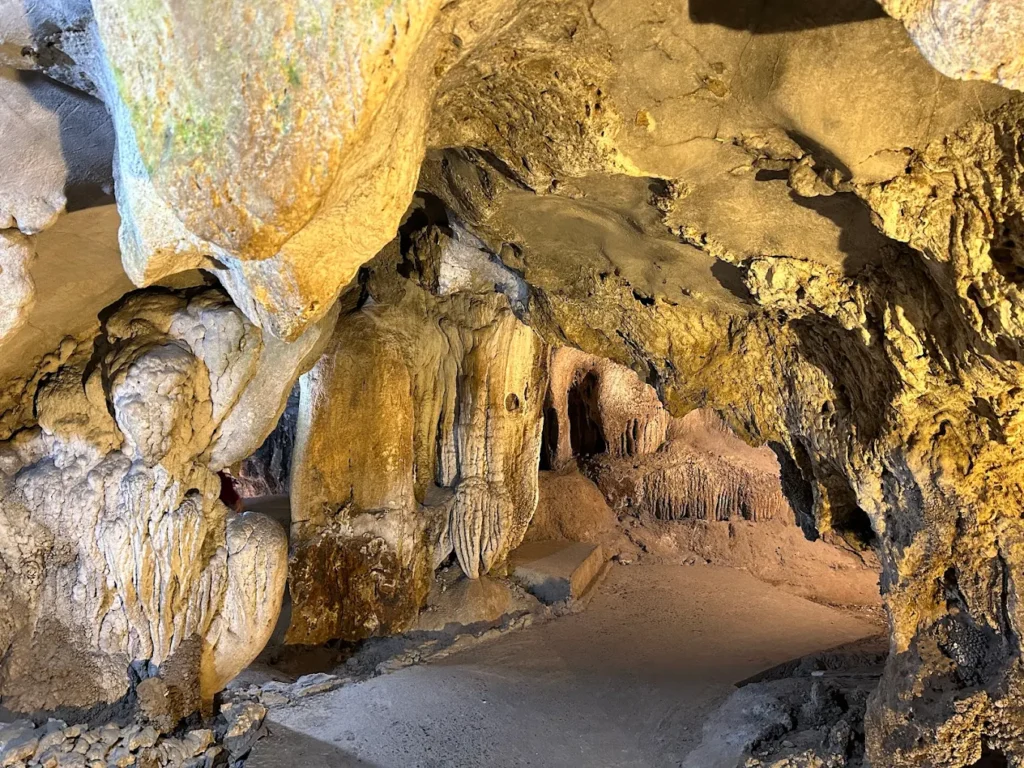
Located within Cat Ba National Park, this cave stretches 300 meters through the mountain. It features impressive stalactites and a resident colony of bats, offering a cool, adventurous break from the jungle heat.
What to Eat in Lan Ha Bay
Lan Ha Bay’s iconic meals are fresh seafood.
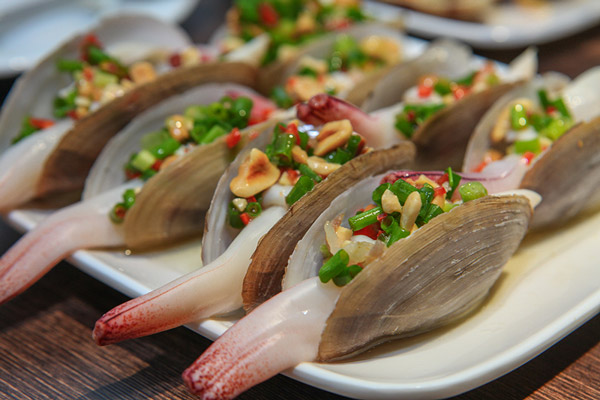
- Tu Hai (Geoduck): A rare, phallic-shaped clam that is a local delicacy, usually grilled with scallion oil.
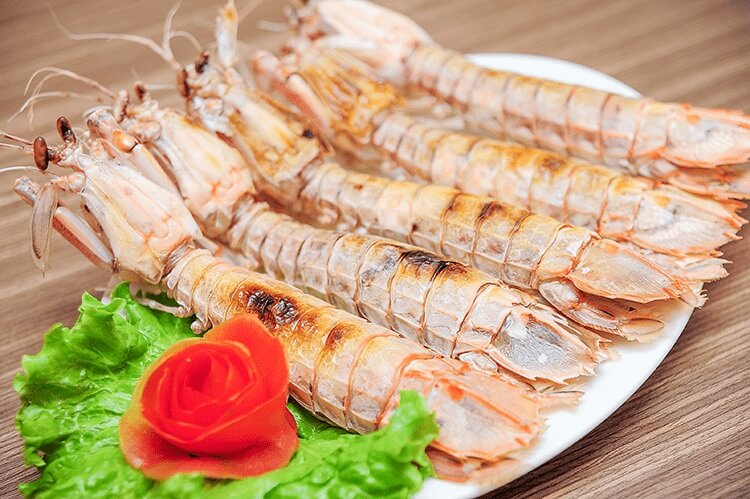
- Be Be (Mantis Shrimp): Steamed with lemongrass and beer, this shell-fish is sweet and firm.
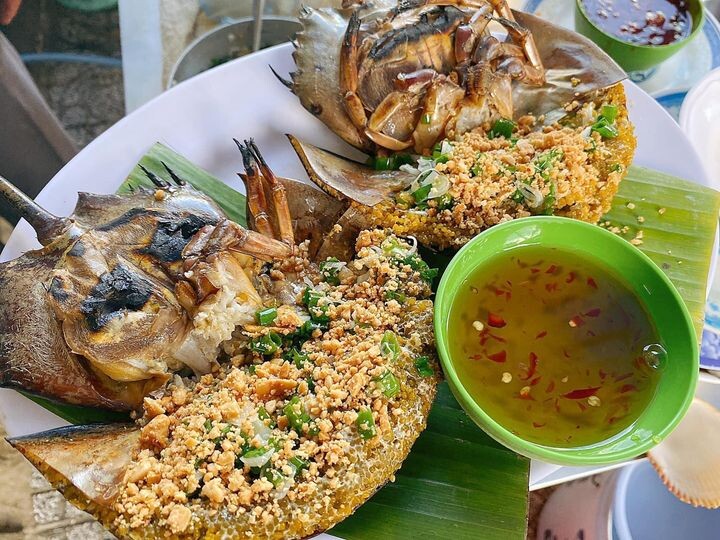
- Sam (Horseshoe Crab): Grilled or made into a sweet and sour salad. Locals always eat them in pairs for good luck.
- Green Mussels: Grilled with peanuts and spring onions, a classic seaside snack.
Travel Tips for a Smooth Trip
We want your trip to be as incredible as possible, so here are a few insider tips:
- Pack Light: If you are taking the bus-ferry combo, hauling a giant suitcase is difficult. A backpack is best.
- Check the Weather: Cruises can be cancelled by the Port Authority if a storm is approaching (especially July–August).
- Book in Advance: Boutique boats have few cabins (often only 10–20) and sell out weeks ahead.
Where to Go Next?
- Ha Long Bay: Often combined with Lan Ha Bay on the same cruise route, offering iconic limestone karsts and classic seascape views.
- Hanoi: Around 3–4 hours by road, Vietnam’s cultural capital where history, street food, and daily life come together.
- Ninh Binh: After Hanoi, continue to Ninh Binh (around 2 hours by road) for dramatic limestone landscapes (known as Halong Bay on Land), riverboat rides, and peaceful countryside temples.
Not sure where to go next? Let us help you customize your Vietnam Journey
Tours in Lan Ha Bay
At Ginkgo Voyage, we prefer Lan Ha Bay over the crowded routes of Halong. We select smaller, boutique boats that focus on quiet anchorages, deep nature access, and sustainable practices. Whether you want a private charter or a luxury cabin, we help you find the rhythm of the bay.
Hanoi, Pu Luong & Halong Bay
8-day journey from Hanoi’s lively streets to Pu Luong’s rice terraces and Ha Long Bay’s emerald waters
Essence of Vietnam
14-day journey through Hanoi – Halong Bay – Hoi An – Ho Chi Minh – Cu Chi – Mekong Delta – Phu Quoc beach escape.

Picturesque Vietnam
18-day journey through the country’s most naturally beautiful and culturally rich regions.