

Introduction to Halong Bay
There is a reason Halong Bay is Vietnam’s most recognized landscape. When you drift through the morning mist, watching thousands of limestone karsts rise silently from the emerald water, the feeling is nothing short of magical.
Legend says these islands were created by a great dragon descending from the mountains, its thrashing tail carving valleys that filled with water—hence the name Ha Long (“Descending Dragon”). Today, this UNESCO World Heritage Site stands as a breathtaking seascape of nearly 2,000 limestone pillars rising from emerald waters—a place where nature feels not just ancient, but alive with myth and majesty.
While it is one of the most popular destinations in Southeast Asia, the bay is vast. Welcome to our comprehensive Halong Bay Travel Guide. Whether you are kayaking through hidden lagoons, exploring illuminated caves, or simply practicing Tai Chi on the deck of a wooden junk boat at sunrise, Halong offers a peaceful escape from the bustle of the mainland.
Quick Facts about Halong Bay
Before diving into details, here’s a quick snapshot to help you understand what makes Halong Bay such a worth experiencing destination.
| Category | Details |
|---|---|
| Location | Northeastern Vietnam, Quang Ninh Province — about 2.5 hours from Hanoi Capital. |
| Airport | Van Don International Airport (closest, about 50km to Halong Bay). or Seaplane of Hai Au Aviation offers flights from Hanoi’s Noi Bai Airport to Tuan Chau Marina. |
| Best known | Dramatic limestone karsts, emerald waters, and overnight cruises |
| Popular areas | Halong Bay, Bai Tu Long Bay, Lan Ha Bay, Cave System: Sung Sot, Thien Cung, Luon |
| Travel style | Cruise-based travel, nature & seascape exploration |
| Climate | Tropical monsoon climate typical of Northern Vietnam — hot, humid |
| Ideal Stay | 2 days 1 night for classic highlights; 3 days 2 nights for quieter bays and deeper exploration. |
| Best time to visit | October–December (best overall), March–May (pleasant), June–August (storm season), January–February (misty but atmospheric). |
What’s in Halong Bay?
- The Limestone Karsts: The bay is dotted with 1,969 islands and islets, most of which are uninhabited and unaffected by human presence. These towering limestone pillars, topped with thick jungle vegetation, create a seascape that changes with every turn of the boat.
- The Caves (Hang & Dong): Over millions of years, water has carved massive chambers inside these mountains.
- Sung Sot Cave (Surprise Cave): The largest and most famous, featuring three vast chambers filled with stalactites and stalagmites.
- Thien Cung Cave (Heavenly Palace): Known for its intricate rock formations that look like mythical creatures.
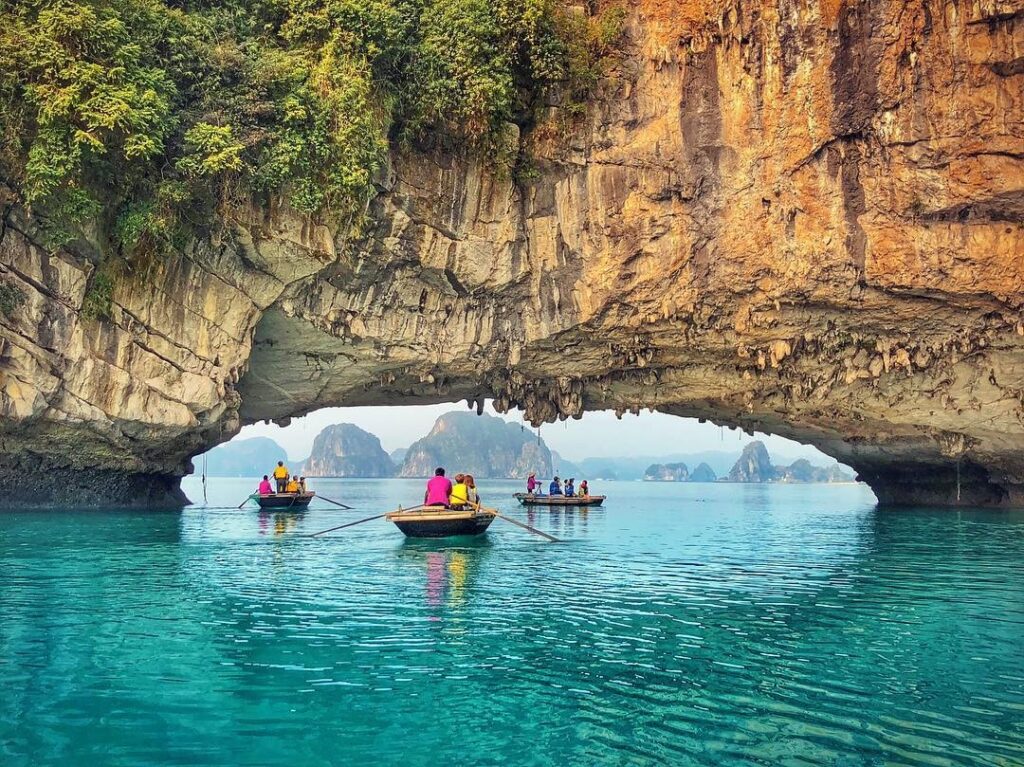
- Luon Cave: A unique tunnel accessible only by kayak or bamboo boat that leads to a secret enclosed lake.


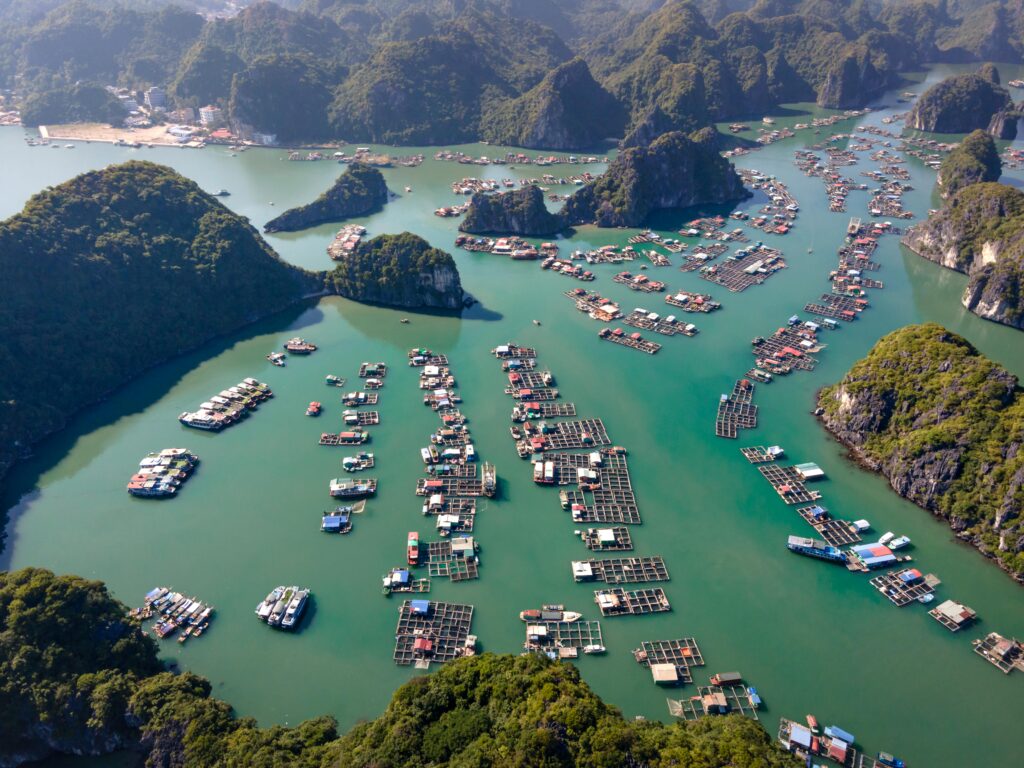
- Floating Villages: Life in the bay isn’t just about tourism; it’s about heritage. Communities like Cua Van have lived on the water for generations. Visiting these villages offers a glimpse into a culture where houses float on barrels, children row to school, and the ocean provides daily sustenance.
- Lan Ha Bay & Bai Tu Long Bay: While everyone knows Halong, savvy travelers often look to its neighbors:
- Lan Ha Bay: Located south of Halong (near Cat Ba Island), it has the same scenery but fewer tourist boats and cleaner water.
- Bai Tu Long Bay: To the northeast, this is the “unpolished gem”—quieter, more primitive, and perfect for off-the-beaten-path cruises.
How to plan a trip to Halong Bay
How long to stay
- For a classic introduction (2 days, 1 night):
The most popular choice, offering about 24 hours on the water. This itinerary typically covers the bay’s main highlights, with time for kayaking, swimming, and spending a memorable night surrounded by limestone karsts. - For a deeper experience (3 days, 2 nights):
Staying longer allows you to travel further into quieter areas such as Lan Ha Bay or Bai Tu Long Bay. With fewer time constraints, you can enjoy more kayaking, swimming, and relaxed cruising while experiencing a calmer side of the bay.
Best time to visit Halong Bay
| 🌦️ Season | ⛅️ Weather | ⛱️ Best for | 📌 Note |
|---|---|---|---|
| October – December (Autumn) | Cool, dry weather and clear visibility | Relaxed cruising, photography, outdoor activities, kayaking | Peak travel months → higher prices and more visitors; early December slightly cooler |
| March – May (Spring) | Pleasant temperatures and blue skies | Relaxed cruising, photography, outdoor activities, kayaking | Late April–May begins warming up; good balance of weather + fewer crowds compared to autumn |
| June – August (Summer) | Hot and humid | Swimming, sunbathing, families with kids, biking Viet Hai Village | Higher chance of tropical storms (which can cancel cruises). Strong sun—bring sunscreen |
| January – February (Winter) | Cold (especially early mornings), misty, foggy | Photography (moody shots), peaceful cruising | Fog can limit visibility; temperatures drop significantly at night |
Money & Connectivity
- Cash for small payment: Once on the boat, most expenses are covered, but you will need cash (VND) for drinks, tips for the crew, or souvenirs at floating villages.
- Connectivity: Most cruise ships offer Wi-Fi, but the signal can be weak or non-existent when the boat moves into remote areas between the high limestone walls. Take it as a chance to unplug.
Local etiquette
Vietnamese culture is warm and welcoming, and a little cultural awareness goes a long way. Here are a few tips to help you travel respectfully
- Plastic Ban: Halong Bay has a strict ban on single-use plastics. Do not bring plastic bottles or bags onto the boats.
- Dress Modestly: If visiting caves or temples, ensure your shoulders and knees are covered.
- Shoes: Bring comfortable walking shoes for cave visits (lots of steps) and flip-flops for the boat.
- Smile often – It’s the universal language here and opens doors everywhere.
- Tipping isn’t mandatory, but a small gesture (5–10%) is always appreciated at restaurants, cafés, and by guides or drivers.
- Use both hands when giving or receiving something, especially to elders — it shows respect.
- When in doubt, follow the locals — and don’t be afraid to ask. Vietnamese people are happy to share their customs if you show interest.
Getting to Halong Bay
- By Seaplane:
A premium option operated by Hai Au Aviation, flying from Hanoi’s Noi Bai Airport directly to Tuan Chau Marina in about 45 minutes, with scenic aerial views of Ha Long Bay’s limestone islands along the way. - By Shuttle Bus / Limousine Van:
The most popular and practical choice, taking approximately 2.5–3 hours via the modern Hanoi – Hai Phong – Ha Long Expressway. Many cruise operators include hotel pick-up and drop-off in Hanoi’s Old Quarter. - Getting Around:
Once you arrive at the marina, your primary mode of transport is your cruise ship. For excursions, you will transfer to smaller tenders, bamboo boats rowed by locals, or kayaks.
Planning ahead? Many travelers require a visa to enter Vietnam. Check our Vietnam Visa Guide here to see if your country is on the visa-required list and how to apply quickly.
Local festivals & events
🎆 Carnaval Halong – April – May
A massive street festival launching the summer tourism season with parades, fireworks, and music.
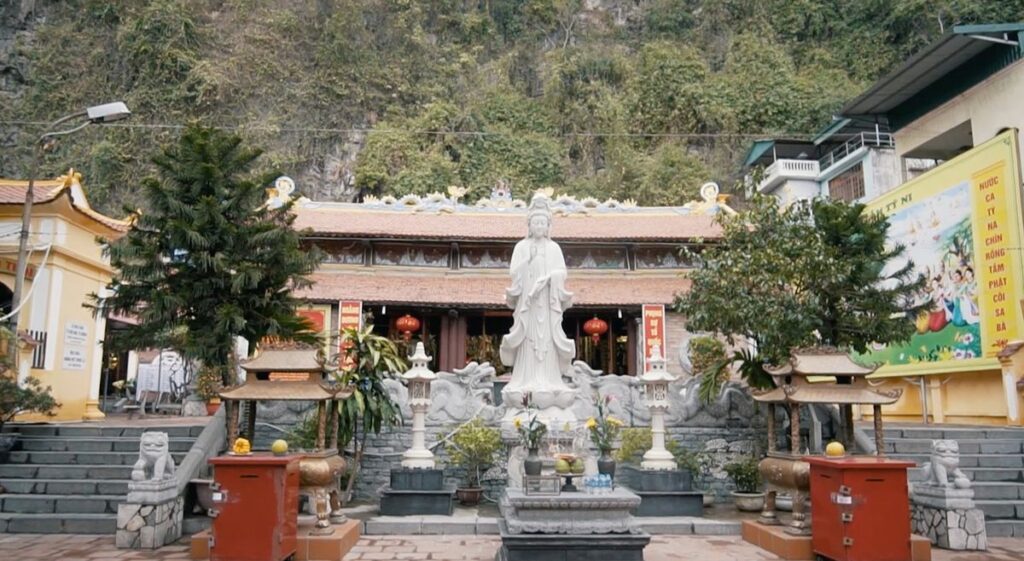
🌕 Long Tien Pagoda Festival (24th day of the third lunar )
The festival involves palanquin procession which starts from Long Tien Pagoda, then Duc Ong Temple to An Duong Vuong Temple and return. The traditional folk games in the festival include Chinese chess, wrestling, chau van singing, cheo performance.

Best Things to Do in Halong Bay
If Halong Bay is Vietnam’s great natural masterpiece, then exploring it is all about choosing the right moments. Here are our top experiences

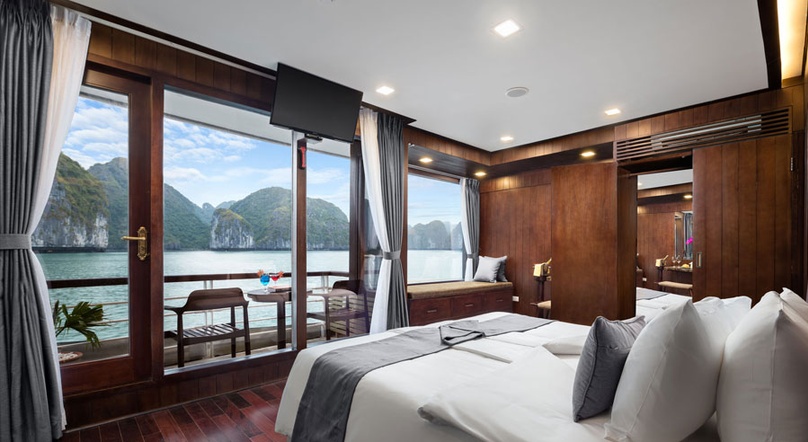

1. Sleep on an Overnight Cruise
There is nothing like waking up in the middle of the bay. Watching the sun rise over the karst formations from your cabin balcony or the sundeck is the quintessential Vietnam experience.
2. Kayak Through the Karsts
Big boats can’t go everywhere. Kayaking allows you to paddle through low caves, touch the limestone walls, and enter hidden lagoons that feel completely isolated from the world.
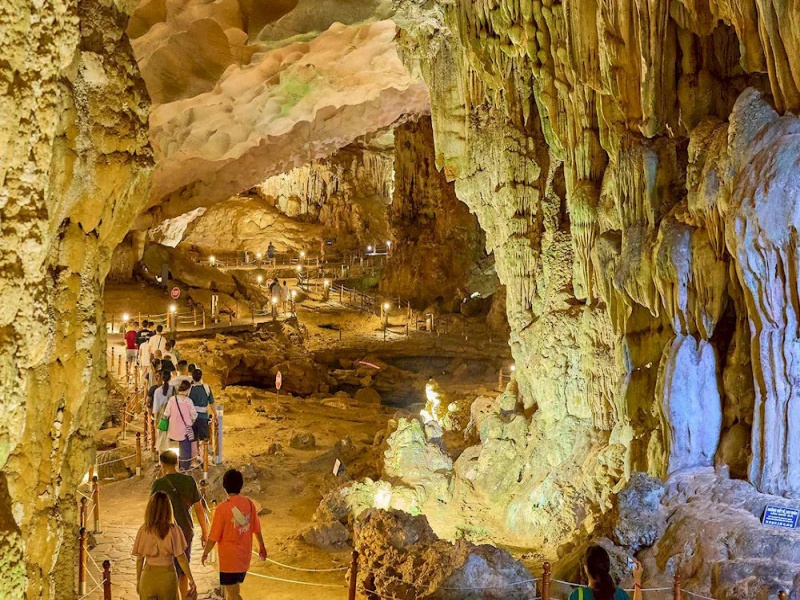
3. Explore Sung Sot Cave
Climb the stone steps to enter the “Cave of Surprises.” The scale is immense, and the interior lighting highlights rock formations that resemble dragons, turtles, and waterfalls.
4. Hike to the Top of Ti Top Island
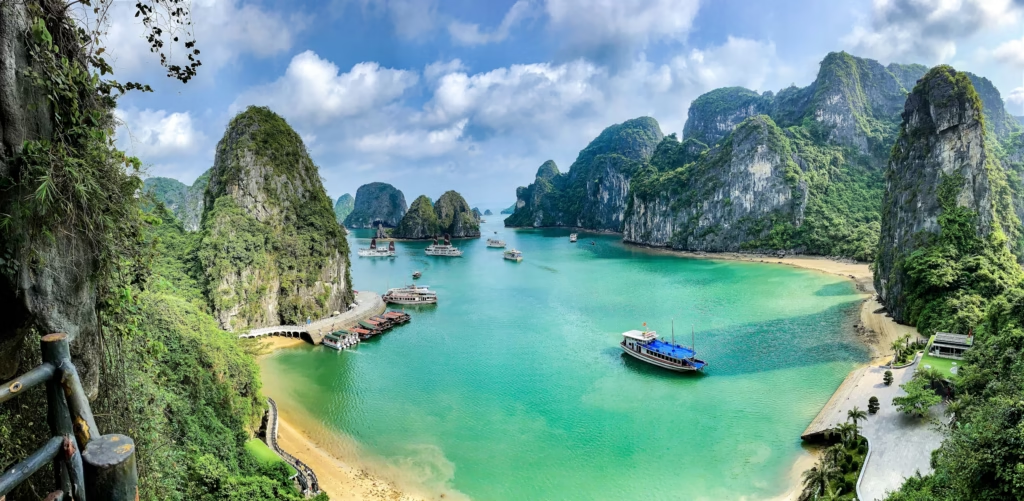
For the classic panoramic photo of Halong Bay, hike the 400 steps to the peak of Ti Top Island. Afterward, cool off at the crescent-shaped beach below.
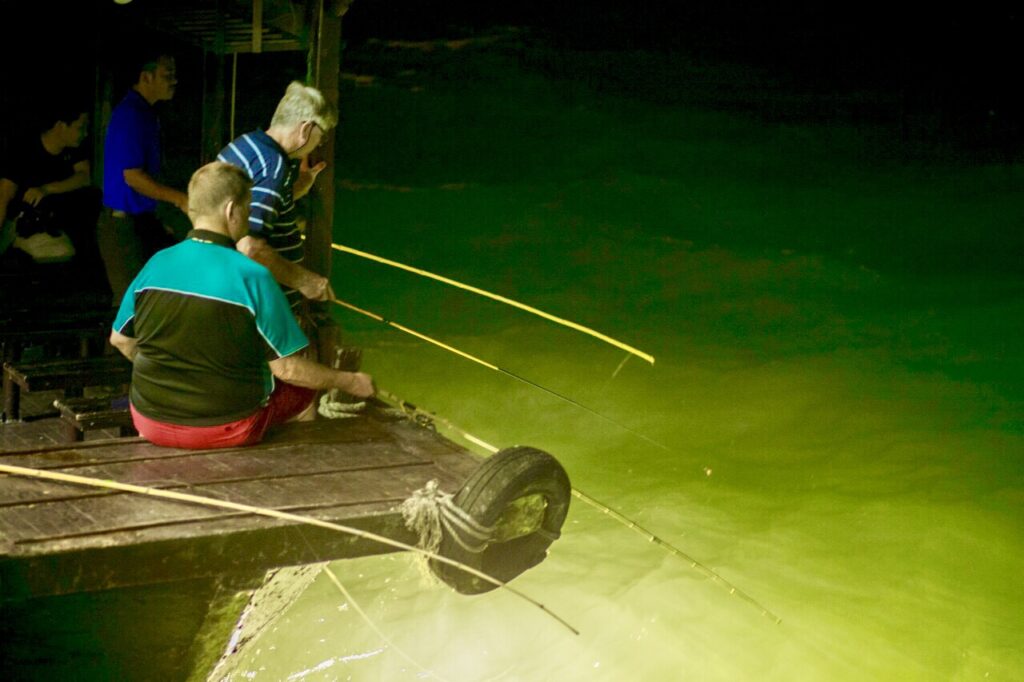
5. Try Night Squid Fishing
After dinner, join the crew at the back of the boat to fish for squid using light lures. It’s a fun, social activity (and if you catch one, the chef might cook it for you!).
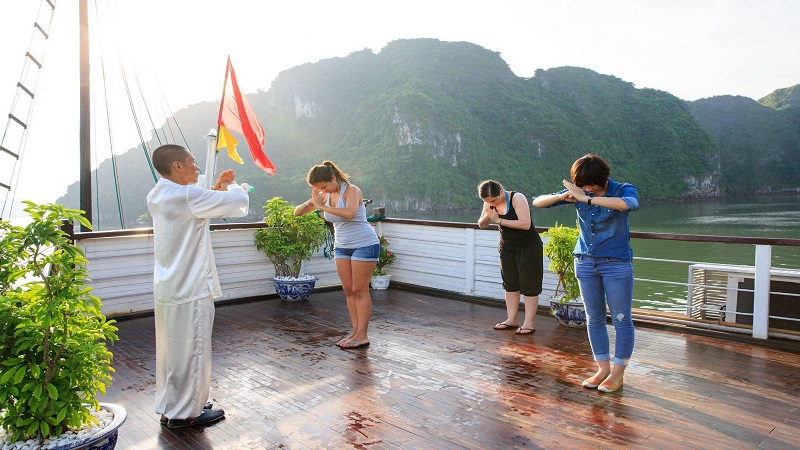
6. Practice Tai Chi at Sunrise
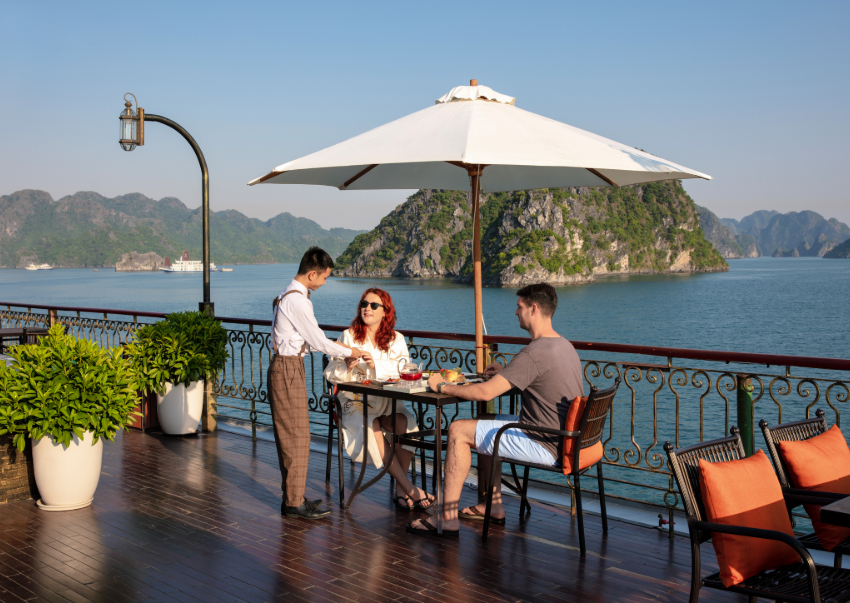
Most boats offer a 6:00 AM Tai Chi session on the sundeck. Moving slowly in the fresh morning air while surrounded by silence is incredibly grounding.
Want to experience it with expert guidance? Join our Northern Vietnam tour— comfortable transport, insightful stories, and everything arranged for a meaningful visit.
What to Eat in Halong Bay
Halong Bay is famous for its fresh seafood.
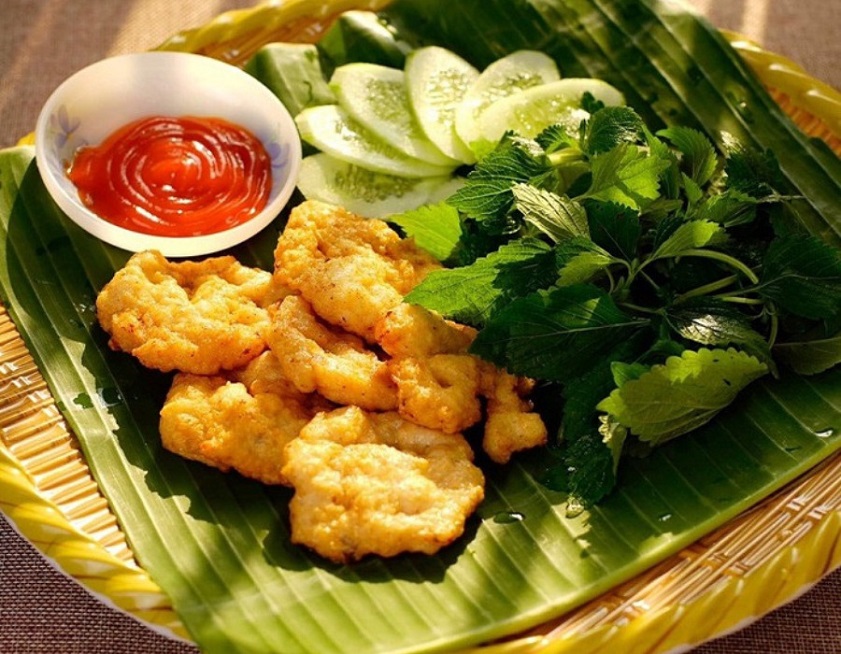
- Cha Muc (Squid Cakes): The region’s specialty. Hand-pounded squid fried until golden and chewy. Best eaten with sticky rice or Banh Cuon.
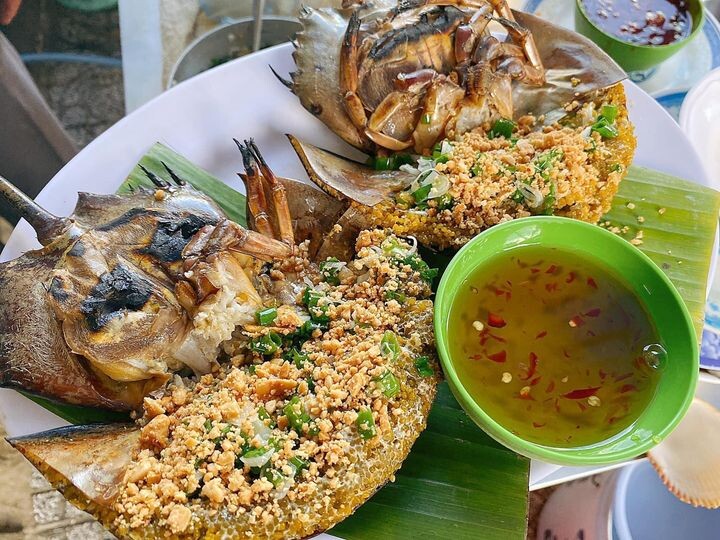
- Horseshoe Crab (Sam): A local delicacy often grilled or made into a sweet and sour salad.
- Fresh Oysters: Grilled with scallion oil and peanuts.
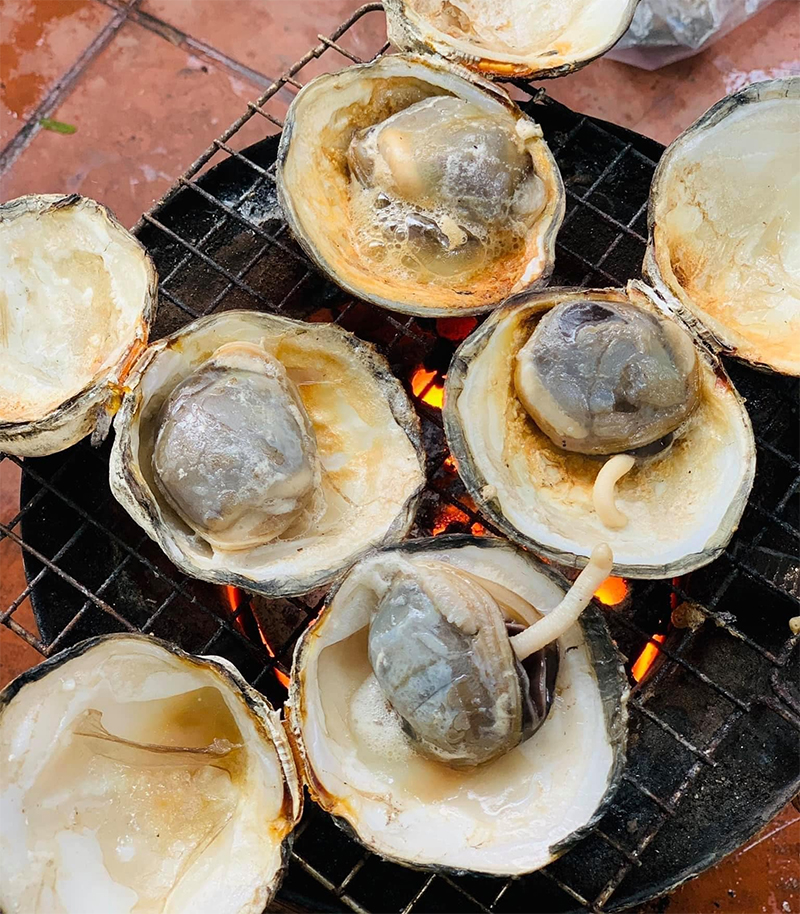
- Ngan (Austriella Corrugata): A type of clam unique to this area, often grilled or steamed with wine.
Tips for a smooth trip
- Book in Advance: High-quality boutique cruises sell out weeks ahead, especially in peak season (Oct–Dec).
- Check the Weather: Cruises can be cancelled by the port authority if a storm is approaching.
- Dietary Requirements: Inform your cruise operator of any allergies or vegetarian needs before you board; they are usually very accommodating.
- Pack Light: Cabins on boats are compact. Leave large suitcases at your hotel in Hanoi if you are returning there, and just bring a weekender bag.
Discover history, food, and hidden corners with us
Where to Go Next?
- Ninh Binh: Often called the “Halong Bay on Land,” it shares the same dramatic limestone karst scenery but set amidst lush rice paddies and peaceful villages—so dramatic, in fact, that it served as a filming location for Kong: Skull Island. With more time on land, you have the freedom to enjoy a happier, more relaxed pace exploring via cycling and small riverboats. (2.5 hours by car).
- Cat Ba Island: If you want to stay longer, head to this large island for trekking in the National Park. 1 day on cruise and 1 day on the island is a great combination.
- Hanoi: Return to the capital for street food and history.

Not sure where to go next? Let us help you customize your Vietnam Journey
Tours in Halong
Hanoi, Pu Luong & Halong Bay
8-day journey from Hanoi’s lively streets to Pu Luong’s rice terraces and Halong Bay’s emerald waters
Essence of Vietnam
14-day journey through Hanoi – Halong Bay – Hoi An – Ho Chi Minh – Cu Chi – Mekong Delta – Phu Quoc beach escape.

Picturesque Vietnam
18-day journey through the country’s most naturally beautiful and culturally rich regions.