• Before You Go
    • Vietnam Travel Guide
      • Southern Vietnam
        • Ho Chi Minh City
        • Mekong Delta
        • Phu Quoc
        • Con Dao
        • Mui Ne
      • Central Vietnam
        • Phong Nha
        • Hue
        • Hoi An
        • Da Nang
        • Quy Nhon
        • Phu Yen
        • Da Lat
      • Northern Vietnam
        • Ha Noi
        • Halong Bay
        • Lan Ha Bay
        • Ninh Binh
        • Sapa
        • Ha Giang
        • Cao Bang
        • Pu Luong
    • Laos Travel Guide
      • Luang Prabang
      • Pakse
      • Vientiane
      • Xieng Khuang (Plain of Jars)
    • Cambodia Travel Guide
      • Phnom Penh
      • Siem Reap
    • Thailand Travel Guide
    • Essential Guide
      • Best time to travel Viet Nam
      • Healthy & Safety in Viet Nam
      • Money in Vietnam
    • Month by month
    • Visa Guide
    • Trip Ideas
      • Top 7 best things to do in Hoi An
      • Travel tips to Vietnam
  • Our Tours
    • Vietnam
    • Cambodia
    • Laos
    • Multi-Country
  • Travel Style
    • Cultural & Classic Tours
    • Family Trips
    • Short Trips
    • Trekking Tours
    • Small Group Tours
  • Travel Blog
  • About Us
    • Contact
    • Our Story
    • How We Work
ginkgovoyage.com ginkgovoyage.com ginkgovoyage.com
  • Before You Go
    • Vietnam Travel Guide
      • Southern Vietnam
        • Ho Chi Minh City
        • Mekong Delta
        • Phu Quoc
        • Con Dao
        • Mui Ne
      • Central Vietnam
        • Phong Nha
        • Hue
        • Hoi An
        • Da Nang
        • Quy Nhon
        • Phu Yen
        • Da Lat
      • Northern Vietnam
        • Ha Noi
        • Halong Bay
        • Lan Ha Bay
        • Ninh Binh
        • Sapa
        • Ha Giang
        • Cao Bang
        • Pu Luong
    • Cambodia Travel Guide
      • Phnom Penh
      • Siem Reap
    • Laos Travel Guide
      • Luang Prabang
      • Pakse
      • Vientiane
      • Xieng Khuang (Plain of Jars)
    • Thailand Travel Guide
    • Essential Guide
      • Best time to travel Viet Nam
      • Healthy & Safety in Viet Nam
      • Money in Vietnam
    • Month by month
    • Visa Guide
    • Trip Ideas
      • Top 7 best things to do in Hoi An
      • Travel tips to Vietnam
  • Our Tours
    • Vietnam
    • Cambodia
    • Laos
    • Multi-Country
  • Travel Style
    • Cultural & Classic Tours
    • Family Trips
    • Short Trips
    • Trekking Tours
    • Small Group Tours
  • Travel Blog
  • About Us
    • Contact
    • Our Story
    • How We Work
  • Home
  • Blog
  • The Soul of Hanoi: 3 Iconic Dishes That Define the Capital

The Soul of Hanoi: 3 Iconic Dishes That Define the Capital

March 30, 2026 by Marketing Team Views: 4 Blog

The Soul of Hanoi: 3 Iconic Dishes That Define the Capital

In Hanoi, food is not merely sustenance; it is a repository of history. To eat in the capital is to engage in a thousand-year-old conversation between tradition, colonial influence, and local resilience. If you’re wondering what to eat in Hanoi, the answer goes far beyond a simple list of dishes.

While the city’s sidewalks offer an endless array of flavors, three dishes stand as the pillars of Hanoian identity: Pho, Bun Cha, and Cha Ca La Vong. For the discerning traveler, understanding these dishes requires looking beyond the bowl and into the culture that created them.

Contents hide
1 Who This Guide Is For
2 What to Eat in Hanoi: 3 Dishes That Define the Capital
2.1 1. Pho: The National Soul in a Bowl
2.2 2. Bun Cha: The Midday Smoke of the Old Quarter
2.3 3. Cha Ca La Vong: A Legacy of Resistance
3 Authenticity vs. Refinement: Making the Choice

Who This Guide Is For

This guide is curated for culinary enthusiasts and history buffs who seek a deep, expert-level understanding of Hanoi’s gastronomic heritage. It focuses on the “ritual” of eating—the specific ways these dishes are prepared and consumed by those who call this city home. To truly understand iconic foods must-try in Hanoi, you need to start with three defining dishes.

What to Eat in Hanoi: 3 Dishes That Define the Capital

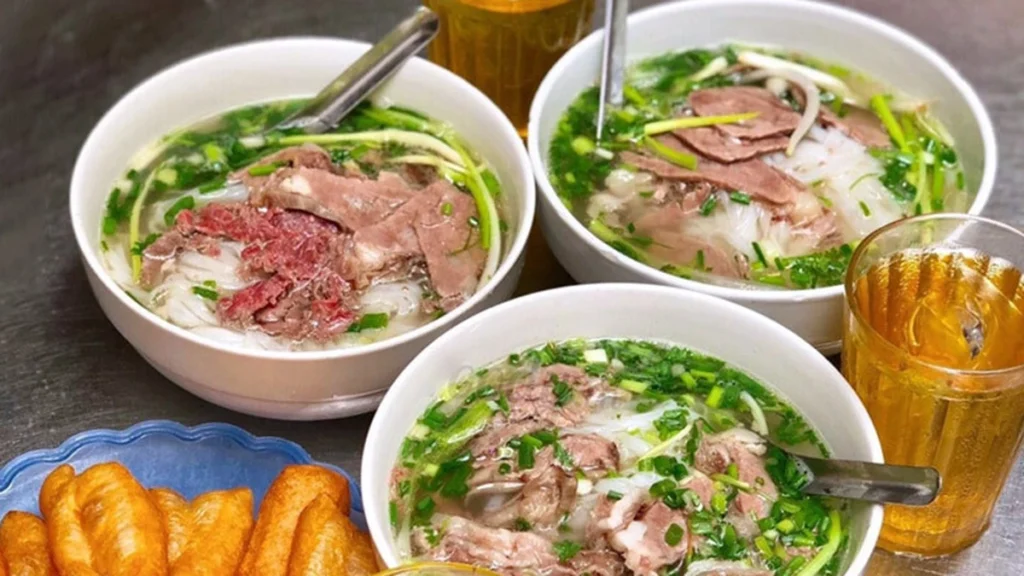
1. Pho: The National Soul in a Bowl

While Pho – one of the most famous food in Hanoi is now a global ambassador for Vietnam, its spiritual home remains the narrow streets of Hanoi.

  • The History: Originating in the early 20th century in the Nam Dinh/Hanoi region, Pho is a fascinating example of cultural fusion. Historians believe it evolved when local vendors began using beef bones (introduced by the French) to enrich traditional buffalo-meat noodle soups.
  • The Hanoian Way: Unlike the sweeter, herb-heavy versions found in the South, Pho Hanoi is characterized by its clarity and subtlety. The broth is the star, simmered for 8 to 14 hours with charred ginger, cinnamon, and star anise to achieve a transparent, umami-rich depth.
  • The Ritual: High-end Hanoians often have a “favorite” vendor where the broth’s recipe has remained unchanged for generations. It is traditionally a breakfast dish, enjoyed in the quiet, misty hours of the morning when the broth is at its freshest.
Three bowls of Hanoi-style pho bo served with fried dough sticks (quay) and iced tea

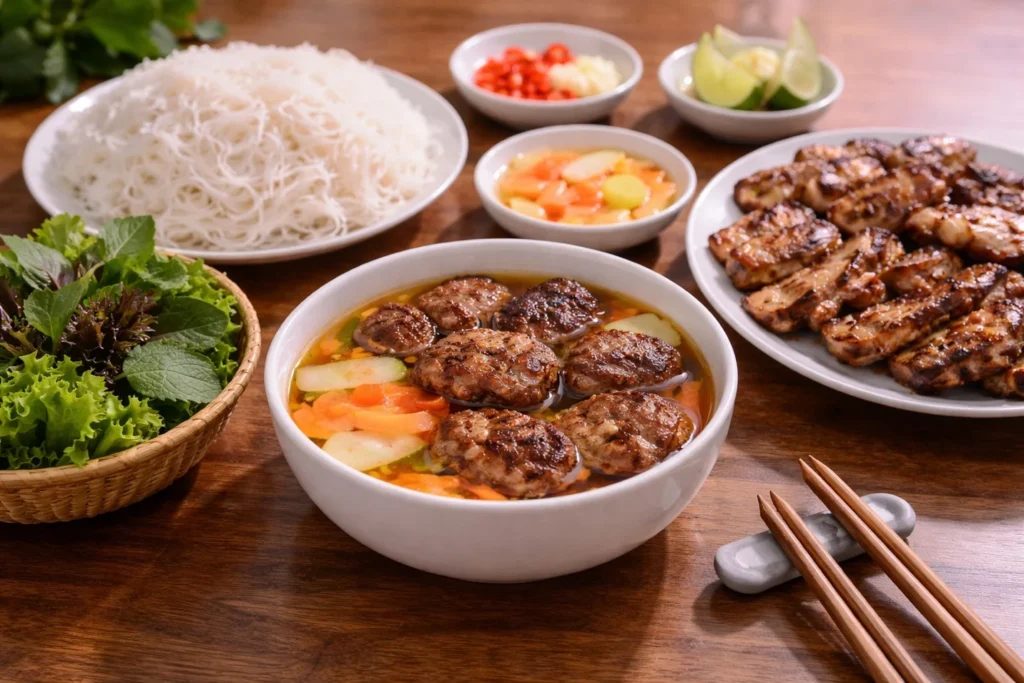
2. Bun Cha: The Midday Smoke of the Old Quarter

If Pho is the morning’s meditation, Bun Cha is the midday pulse of the city. As noon approaches, the scent of charcoal-grilled pork begins to waft through the Old Quarter—a signal that it is time for the capital’s favorite lunch.

  • The History: First documented in the mid-20th century, Bun Cha is quintessential Hanoi. It gained international fame when President Barack Obama and Anthony Bourdain shared a meal at a local shop, but its local roots go much deeper.
  • The Flavor Profile: The dish is a masterclass in balance. Smoky, caramelized pork (both patties and belly) is submerged in a warm, light dipping sauce made of fish sauce, vinegar, and sugar. People usually eat bun cha with lots of fresh herbs and cold rice vermicelli (bun).
  • The Ritual: The art of Bun Cha lies in the assembly. A discerning diner adds a touch of minced garlic and chili to the sauce, then dips small portions of noodles and herbs into the bowl, ensuring every bite is a perfect harmony of hot meat and refreshing greens.
Traditional Hanoi bun cha set with grilled pork, dipping sauce, vermicelli, fresh herbs and side condiments

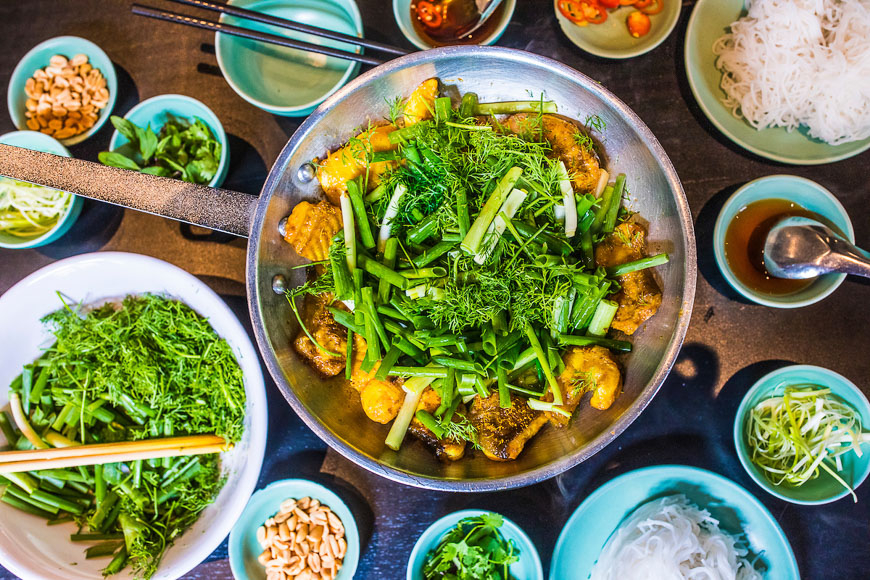
3. Cha Ca La Vong: A Legacy of Resistance

Cha Ca La Vong is more than a dish; it is a historical landmark. It is the only dish in the city so significant that it has an entire street named after it (Pho Cha Ca).

  • The History: Created in the 1870s by the Doan family at 14 Hang Son Street, the dish was originally served to Vietnamese patriots during the French colonial era. The name “La Vong” refers to a statue of a legendary strategist who waited patiently for the right time to act—a subtle symbol of the resistance movement.
  • The Craftsmanship: This is not street food. It is a refined, interactive experience. Chefs marinate slabs of Hemibagrus in turmeric and galangal, then grill over charcoal before being brought to the table.
  • The Ritual: The “culinary ritual” happens at your table. The staff places a skillet of sizzling fish over a small burner, and fresh dill and scallions are tossed in until they wilt into the aromatic oil. You then assemble your bowl with vermicelli, roasted peanuts, and—for the truly adventurous—a drop of pungent mam tom (fermented shrimp paste).
Cha ca La Vong Hanoi served in a hot pan with turmeric fish, herbs, vermicelli and shrimp paste dipping sauce

Authenticity vs. Refinement: Making the Choice

A common concern for travelers is whether they must sit on a sidewalk to experience “real” Hanoian food.

Our Insight: While the “plastic stool” experience is iconic, it is not the only way. Many of Hanoi’s finest restaurants specialize in preserving these traditional recipes within more comfortable, climate-controlled environments. These venues often use premium cuts of meat and higher-quality organic herbs, providing a refined version of the classics without losing their historical soul.

To see how these flavors fit into a wider exploration of the capital’s architecture and lifestyle, visit our Hanoi Travel Guide.

For those who wish to go even deeper, our Northern Vietnam Tour offers private access to the city’s most historic kitchens and a chance to meet the families who have kept these recipes alive for over a century.

Savor the history of the capital with Ginkgo Voyage—Local Expertise with Global Standards.

Tags: blog, destination, food
Previous Post

Ben Tre vs. Can Tho: Which Mekong Delta Destination is Right for You?

Related Posts

February 9, 2026 By: Marketing Team

Ben Tre vs. Can Tho: Which Mekong Delta Destination is Right for You?

January 13, 2026 By: Marketing Team

Vietnam in One Week: Why You Should Never Try to “See it All”

January 13, 2026 By: Marketing Team

A Gourmet’s Guide to Ho Chi Minh City: Beyond the Tourist Favorites

Categories

  • Blog

Tags Cloud

blog cu chi destination food itinerary mekong

Recent Posts

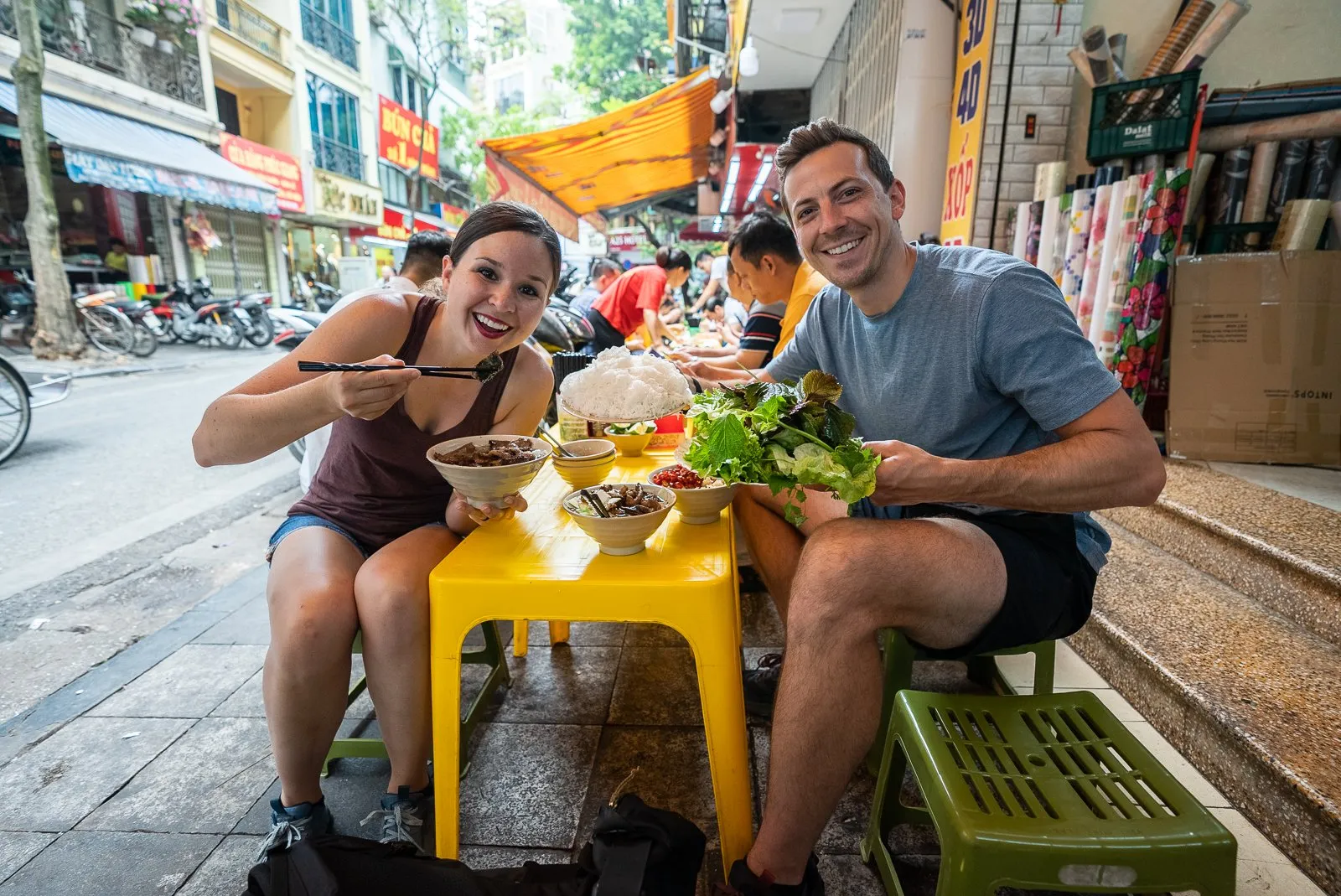
  • a couple trying hanoi street food
    The Soul of Hanoi: 3 Iconic Dishes That Define the CapitalMarch 30, 2026
  • Two tourists are cycling through a country road in mekong delta
    Ben Tre vs. Can Tho: Which Mekong Delta Destination is Right for You?February 9, 2026
  • Vietnam in One Week: Why You Should Never Try to “See it All”January 13, 2026
  • Guests tasting goi cuon, traditional Vietnamese fresh spring rolls, on a Saigon food tour.
    A Gourmet’s Guide to Ho Chi Minh City: Beyond the Tourist FavoritesJanuary 13, 2026
  • Group of female travelers taking photos beside Notre Dame Cathedral Saigon, side view.
    Best Time to Visit Ho Chi Minh City: A Guide to Weather, Seasons & Trade-offsJanuary 13, 2026

Gallery

GINKGO VOYAGE CO.LTD

107 Dong Khoi Street, Sai Gon Ward, Ho Chi Minh City


(+84)28 38 38 99 55

WhatsApp: (+84)903 774 471

info@ginkgovoyage.com

TRIPS

  • Vietnam Tours
  • Cambodia Tours
  • Laos Tour
  • Multi-Country
  • Vietnam Travel Guide
  • Cambodia Travel Guide
  • Laos Travel Guide
  • About Us
  • Contact Us
  • Terms & Conditions
  • Privacy Policy
Copyright © 2026 Travelami. All Rights Reserved

    Plan Your Custom Trip

    1. Who You Are

    2. Tell Us about your self


    3. Tell Us about your ideal travel plans


    4. Additional Request

    Compare list 0

    Your Cart (0)

    Your cart is empty Continue Shopping
    Sign in

    ginkgovoyage.com

    Send Enquiry


    Tour Code: