

Vietnam Travel Guide: All you need to know for the first time travel to Vietnam
A country that stretches over 1,600 kilometres from top to bottom. Three distinct climate zones. Fifty-four ethnic groups. One of the world’s great cuisines. And somehow, Vietnam still manages to feel like a single, coherent place, with its own unmistakable rhythm, warmth, and soul.
Whether you have ten days or three weeks, this comprehensive Vietnam travel guide covers everything you need to plan your first time travel to Vietnam with confidence. In the following sections, we outline the best time to visit, how long to stay, where to go, how to get around, and what it will actually cost. It’s a practical details sheet that makes the difference between a good trip and a great one.

Culture, Nature, and Flavor: Vietnam Has It All
Vietnam has become one of the most compelling destinations in Southeast Asia, and for good reason. It offers an extraordinary range of experiences in a relatively compact, easy-to-navigate country. Ancient hill-tribe villages in the north. Colonial-era streets in Hanoi. A coastline that stretches for over 3,000 kilometres. The lantern-lit alleys of Hoi An. The kinetic energy of Ho Chi Minh City. World-class cuisine at every price point, from plastic-stool street food to Michelin-starred dining rooms.
The best part? Unlike many destinations that offer either culture or nature or food, Vietnam delivers all three, often within the same afternoon.
It’s also one of the safest countries in Asia for international tourists, straightforward to navigate, and increasingly well-equipped for travelers who want genuine comfort without sacrificing authenticity.
Ready to skip the research and start planning? Browse our hand-crafted Vietnam Private Tours and let us handle the logistics.
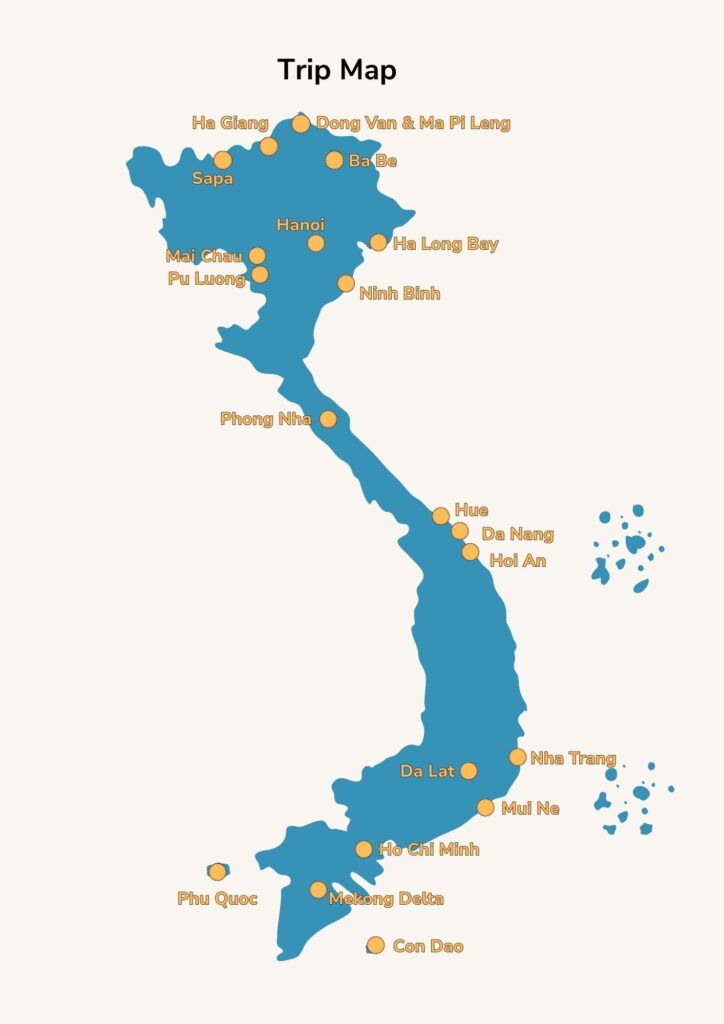
Where is Vietnam? Understanding the S-Shape
Vietnam sits on the eastern edge of the Indochinese Peninsula in Southeast Asia, sharing borders with China to the north, Laos to the northwest, and Cambodia to the southwest. The country’s most distinctive feature is its narrow, elongated shape. At its thinnest point in the central region, Vietnam is only 50 kilometres wide.
This S-shape matters enormously for trip planning. If you are preparing for your first time travel to Vietnam, you must understand how this geography impacts your journey. Because the country is exceptionally long, the North and South experience completely different weather at the exact same time of year. Therefore, any meaningful exploration of the country requires either internal flights or a willingness to travel slowly overland.
Vietnam’s three distinct regions (North, Central, and South) each have their own landscape, climate, cuisine, and character. Understanding this before you plan your itinerary will save you a great deal of frustration.
- The North: Mountains, rice terraces, ancient culture, and the political capital Hanoi. Home to Ha Long Bay and the highland villages of Sapa.
- The Central: Vietnam’s cultural heartland. The imperial city of Hue, the ancient trading port of Hoi An, and long stretches of white-sand coastline.
- The South: The Mekong Delta, floating markets, and Ho Chi Minh City, Vietnam’s largest, fastest, and most dynamic urban centre.
Best Time to Visit Vietnam
This is the question that trips up almost every first-time visitor, but the honest answer is that there is no single “perfect” time to visit the whole country. Because Vietnam is so long and narrow, the weather varies dramatically between regions, and conditions that are ideal in one area can be genuinely unpleasant in another.
That said, if you have full flexibility and want the best overall conditions for a north-to-south trip, March and April are the closest thing to a national sweet spot. Both months deliver dry, warm weather across all three regions before the summer heat sets in. This seasonal breakdown serves as a helpful Vietnam travel guide to help you time your journey perfectly.
| North | Central | South |
|---|---|---|
| October – April (Dry / Cool) | February – August (Dry / Warm) | November – April (Dry / Sunny) |
| May – September (Wet / Hot) | September – January (Typhoons / Rain) | May – October (Wet – Humid) |
North Vietnam (Hanoi, Ha Long Bay, Sapa)— Best from October to April
Northern Vietnam has four distinct seasons, something most visitors don’t expect. Winters (December to February) are genuinely cool and sometimes misty, particularly in the highlands, but they’re also dry and clear. Spring (March to April) brings warming temperatures and excellent visibility for Ha Long Bay cruises. If you’re traveling May to September, expect summer heat and monsoon rains that can make outdoor sightseeing more challenging, so plan indoor highlights and flexible timing for outdoor activities. Note that October and November can be excellent for the north: warm, mostly dry, and with lower humidity than summer.
Watch out for: Hanoi’s air quality, which worsens during the cooler months. If this is a concern, check AQI forecasts close to your travel dates.
Central Vietnam (Hue, Da Nang, Hoi An) — Best from February to August
Central Vietnam operates on an inverted schedule compared to the rest of the country. Its dry season runs from February through August, making this the prime window for beach time in Da Nang and exploring Hoi An’s ancient town without worrying about flooding. From September through January, the central coast bears the brunt of Vietnam’s typhoon season, with heavy rain, rough seas, and occasional flooding; Hoi An’s riverside streets can become impassable after serious downpours.
Watch out for: Typhoon season peaks from September to November. If your dates fall here, keep your itinerary flexible and prioritise inland alternatives like Hue’s citadel or the Da Lat highlands.
South Vietnam (Ho Chi Minh City, Mekong Delta, Phu Quoc) — Best from November to April
The south operates on a simple two-season cycle: dry season (November to April) and wet season (May to October). The dry season is the most comfortable for sightseeing, with lower humidity and reliable sunshine. The wet season brings afternoon downpours that rarely last more than an hour, which is not a dealbreaker for most travelers, but conditions deteriorate noticeably in September and October.
Watch out for: Peak season (December to January) sees prices rise significantly at beach resorts like Phu Quoc. Book accommodation well in advance.
What About Visiting During Tet?
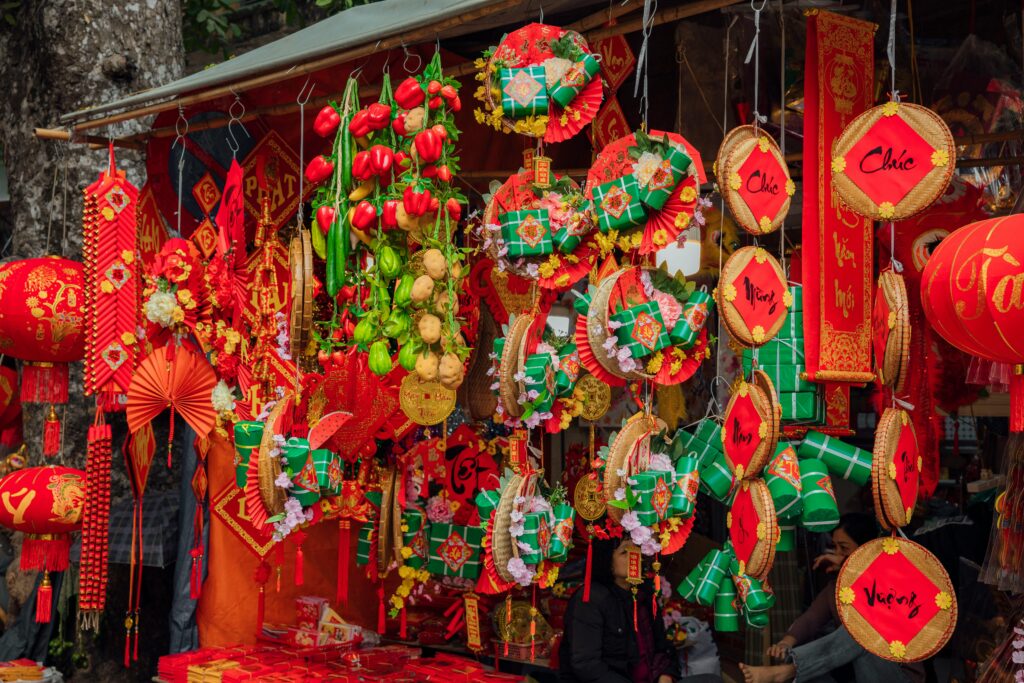
Tet, the Vietnamese Lunar New Year, typically falls in late January or early February and is the most important holiday in the Vietnamese calendar. It’s a genuinely extraordinary time to witness local culture. Streets fill with red and gold decorations, temples are packed with incense and prayer, and the atmosphere is unlike anything else in the country.
But Tet also comes with significant practical challenges. Many restaurants and shops close for three to seven days. Transport becomes extremely busy as millions of Vietnamese travel home for the holiday. Private car hire and ride-hailing prices can increase by 50% or more. If you plan to visit during Tet, book everything well in advance, expect busy transport on the first two days of the new year and plan accordingly, and accept that some planned activities simply won’t be available.
Month-by-Month Quick Reference
| Month | North | Central | South | Overall |
|---|---|---|---|---|
| January | Cool & dry | Rainy | Dry | Good for South |
| February | Cool & dry | Dry begins | Dry | Good (Tet possible) |
| March | Warm & dry | Dry | Dry | Excellent overall |
| April | Warm & dry | Dry | Dry | Excellent overall |
| May | Getting hot | Hot & dry | Wet begins | Fair |
| June | Hot & wet | Hot & dry | Wet | Central coast best |
| July | Hot & wet | Hottest | Wet | Central beaches only |
| August | Hot & wet | Hot & dry | Wet | Busy peak season |
| September | Drying out | Typhoon risk | Wettest | Expect rain, plan flexibly |
| October | Good | Rainy | Drying out | North only |
| November | Good | Rainy | Dry | North & South |
| December | Cool & dry | Rainy | Dry | Good for South |
How Many Days Do You Need in Vietnam?
The most common mistake first-time visitors make is underestimating how long Vietnam actually takes to travel. The country is long, the highlights are spread across three regions, and the internal connections, even by air, add transit time that eats into your itinerary quickly.
To resolve this, we have provided some curated tips for vietnam travel below to help you choose the right trip duration.
7 Days: One Region, Done Well
A week is enough to explore one region properly, but not enough to travel the full length of the country. Don’t try to combine all three regions in 7 days. You’ll spend more time in transit than at your destinations. The two most popular 7-day options are:
- The North 8-day Itinerary: Hanoi (2N) → Mai Chau, Pu Luong trekking (3N) → Halong Bay (2N) → return to Hanoi
- The Central 7-day Itinerary: Da Nang and Hoi An (3N) → Hue (2N) → DMZ & Phong Nha Cave (2N)
- The South 7-day Itinerary: Ho Chi Minh City & Cu Chi Tunnels (2N) → Mekong Delta (2N) → Phu Quoc (3-4N)

10 Days: A Genuine Glimpse, Not a Rush
Ten days is enough to travel Vietnam’s full length and experience it with real depth, as long as the itinerary is well-designed. A thoughtfully paced 10-day private tour can cover Ho Chi Minh City, the Mekong Delta, Hoi An, Ninh Binh, Hanoi, and an overnight cruise in Lan Ha Bay without feeling hurried. The key is a leisurely pace with free mornings built in, rather than cramming every waking hour with sightseeing.
A well-paced 10-day Vietnam Itinerary: Ho Chi Minh City (2N) → Mekong Delta day trip → Cu Chi Tunnels + fly to Hoi An (2N) → fly to Hanoi (2N) → Ninh Binh day trip → Lan Ha Bay overnight cruise (1N) → return Hanoi → depart
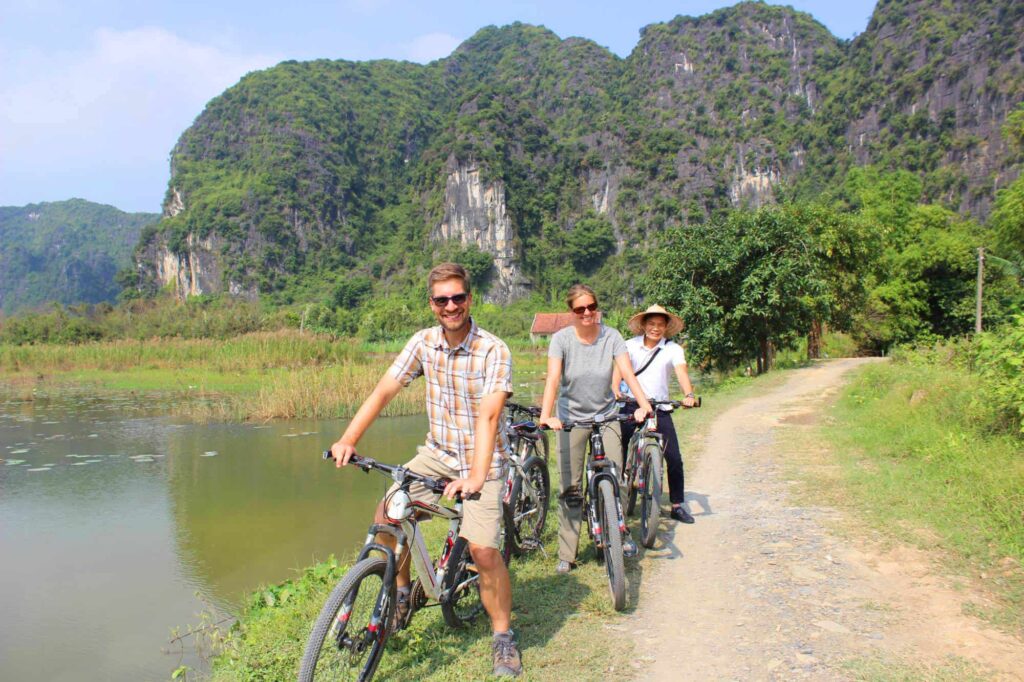
This routing uses two short domestic flights, keeps travel days light, and leaves room for a free morning in Hoi An and a relaxed final day in Hanoi. The experience is closer to a measured journey than a sprint.
14 Days: The Most Popular Balanced Sweet Spot
Adding four days to a 10-day trip changes the entire feel of the journey. You’re not necessarily adding new destinations. You’re adding breathing room. A free afternoon in Hoi An to wander the Old Town without an agenda. A morning in Hanoi’s Old Quarter with nowhere to be. Time to sit by the river and do nothing in particular.
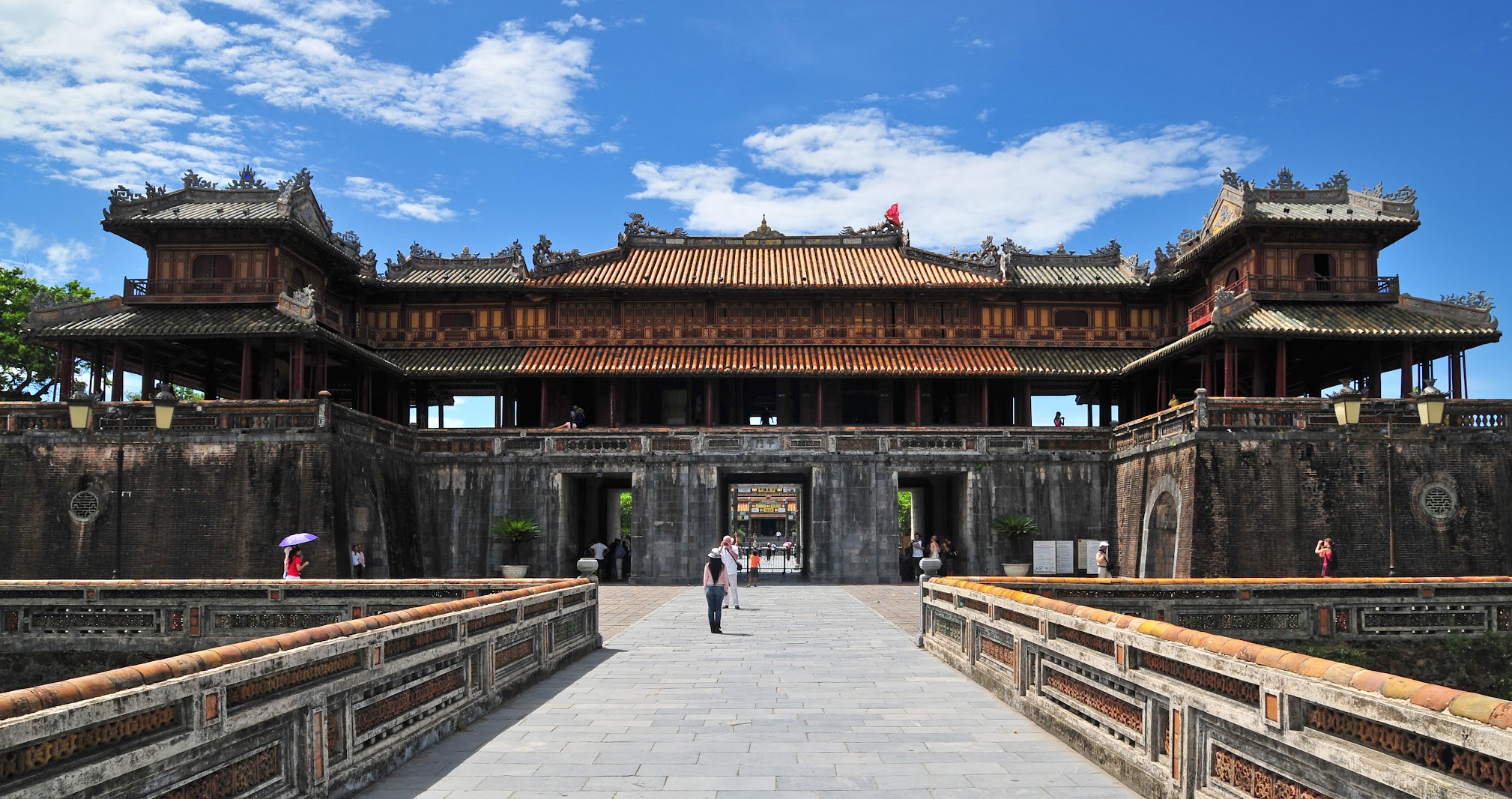
Vietnam 2-Week Itinerary: Classic North to South Route: Hanoi (3N) → Ha Long Bay (2N cruise) → fly to Da Nang → Hoi An (3N) → Hue day trip → fly to Ho Chi Minh City (3N) → Mekong Delta (1D) → depart
18 Days: The In-Depth Journey
Eighteen days is when Vietnam really opens up. You can add the northern highlands, including a day or two in Sapa among terraced rice fields and hill-tribe villages, or extend your time in the central region to include Phong Nha-Ke Bang’s extraordinary cave systems. This is also the right length if you want to combine Vietnam with a side trip into Cambodia.
A Complete 18-day Vietnam Itinerary: Ho Chi Minh city & Cu Chi (2N) – Mekong Delta (2N) – Hoi An & Hue (2N) – Phong Nha (2N) – Hanoi (2N) – Ha Giang (3N), Meo Vac & Ba Be (3N) – Ha Long (2N) – Return to Hanoi
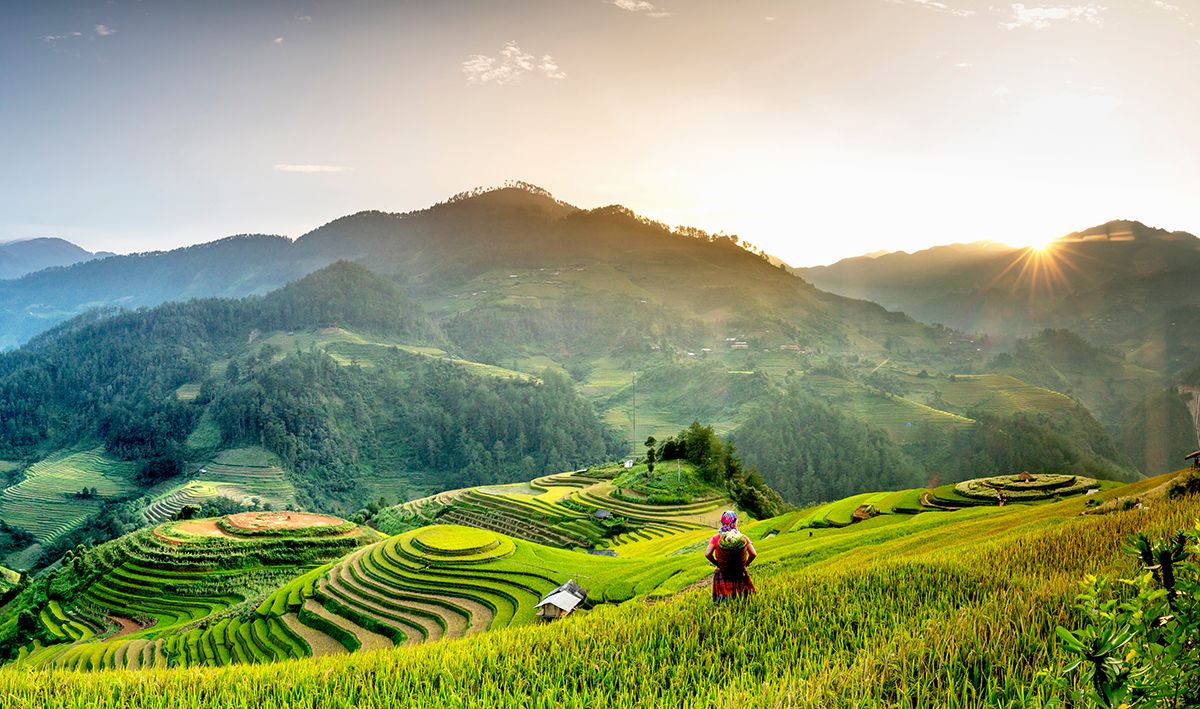
What 18 days could add: Ha Giang / Sapa or Ninh Binh in the north; Phong Nha or Da Lat in the centre; longer stays in each city so you can settle in rather than just pass through.
21 Days: The Full S-Shape
Three weeks is the gold standard for a first trip to Vietnam. You travel slowly, you linger where you love it, and you leave feeling like you genuinely understood the country rather than ticked a checklist. This timeframe comfortably accommodates all three regions plus at least one off-the-beaten-path destination: Ha Giang in the far north, Con Dao off the southern coast, or the cool highlands of Da Lat.
Explore Ginkgo Voyage’s hand-crafted 21-day comprehensive Vietnam tours with a true sense of services.
Top Destinations in Vietnam
Our effective Vietnam travel guide must highlight the country’s most iconic destinations. Below are the key spots you should consider for your first itinerary.
Hanoi
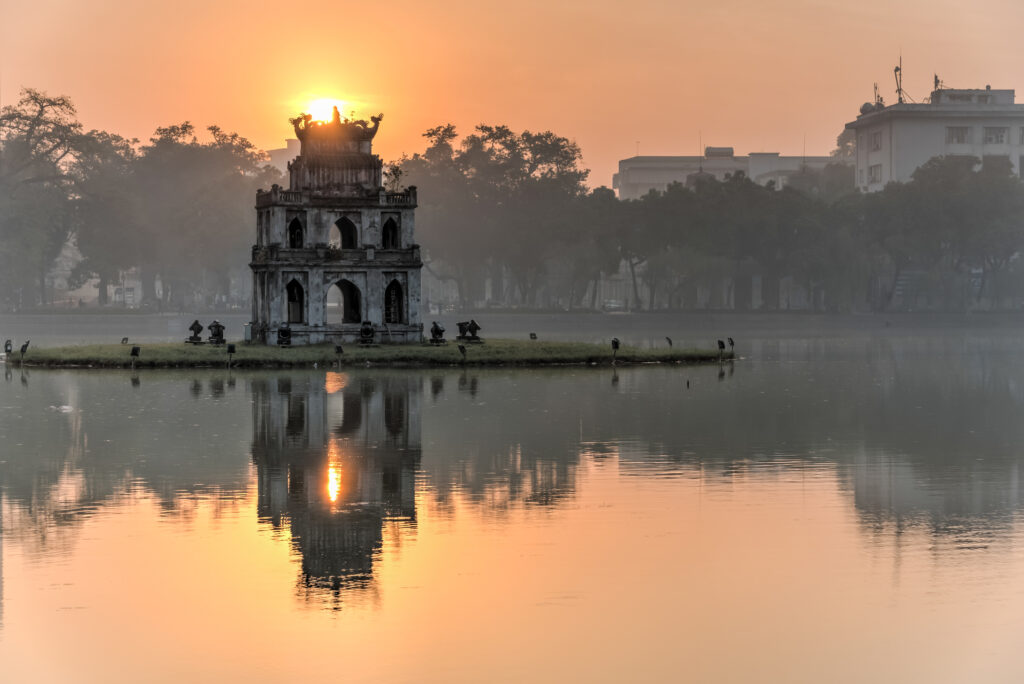
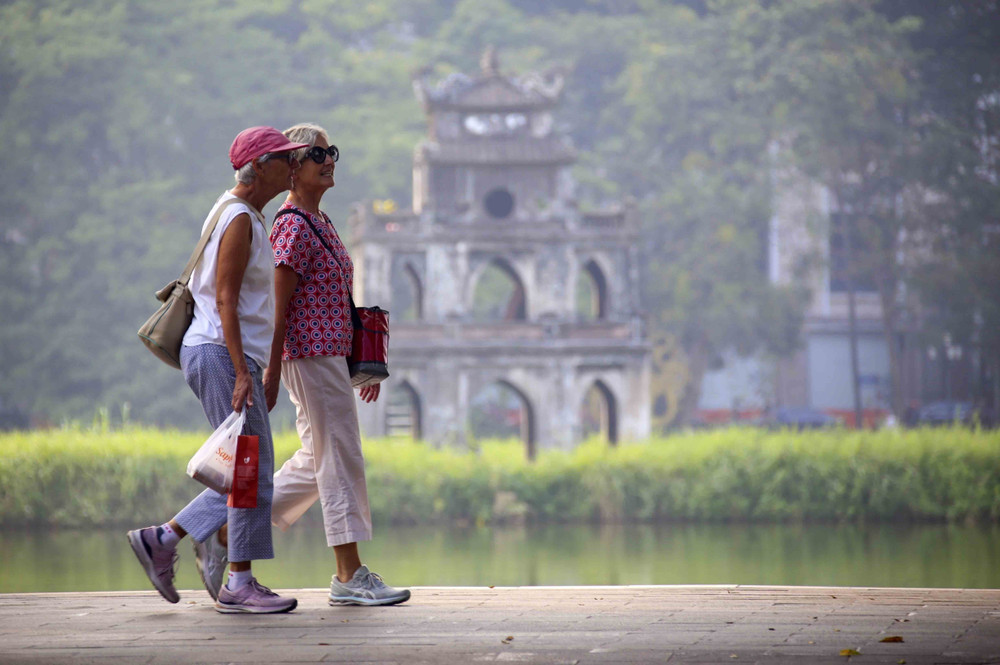
Vietnam’s capital is a city of layers. French colonial boulevards sit alongside thousand-year-old temples. The chaotic, beautiful Old Quarter (36 streets, each historically dedicated to a single trade) remains one of the most atmospheric urban neighbourhoods in Southeast Asia. Hoan Kiem Lake anchors the centre of the city, ringed by coffee shops, street food stalls, and the red-painted The Huc Bridge leading to Ngoc Son Temple. Egg coffee, bun cha, and pho cuon are the culinary essentials. Allow at least two to three nights.
Ha Long Bay
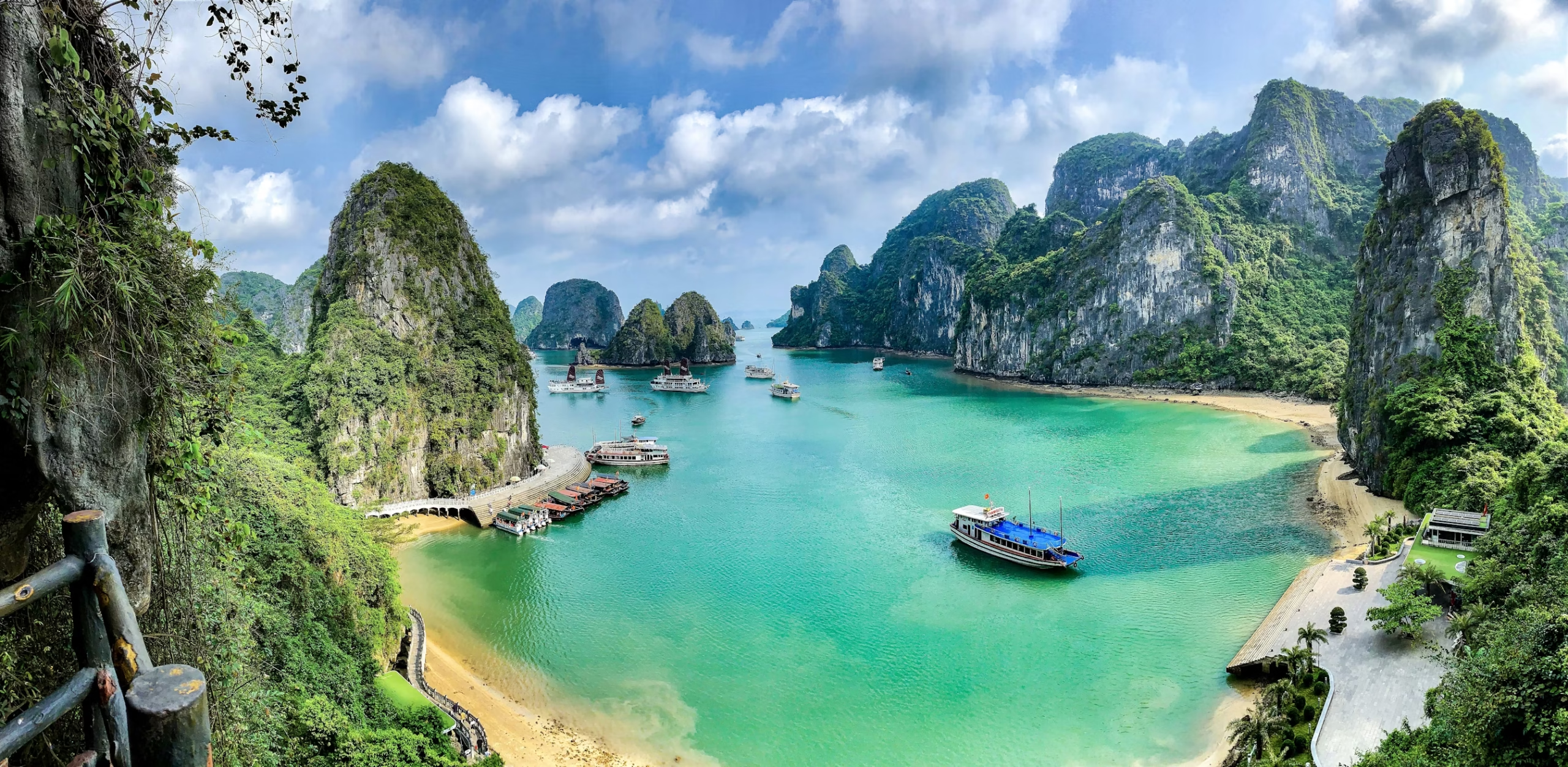
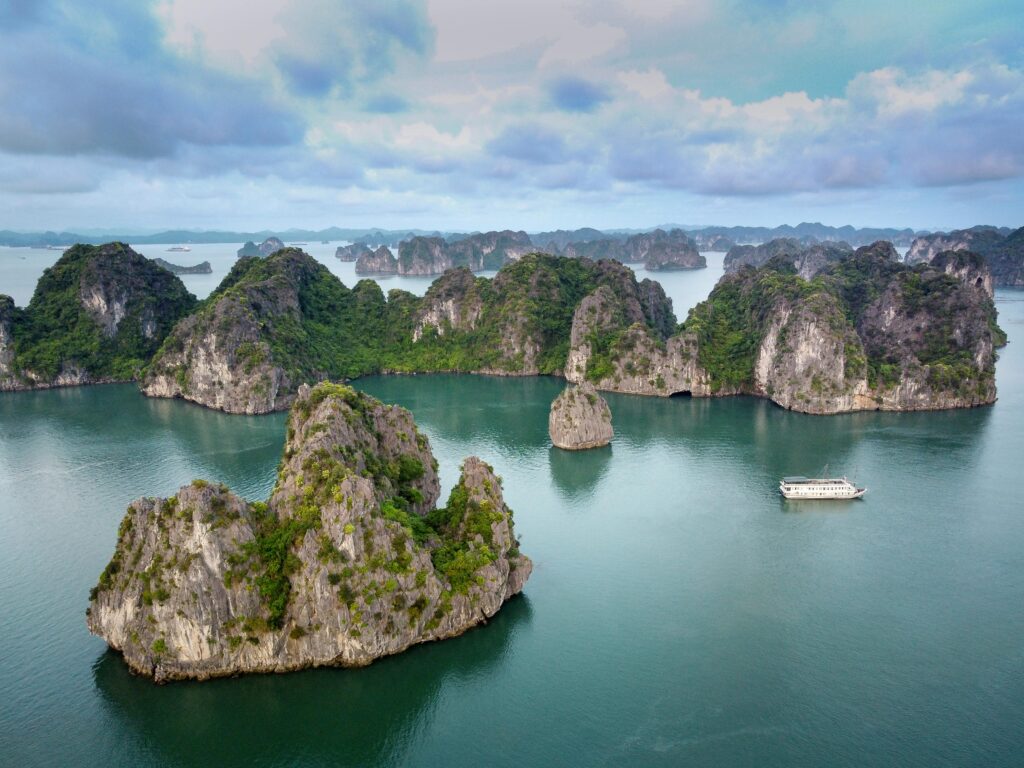
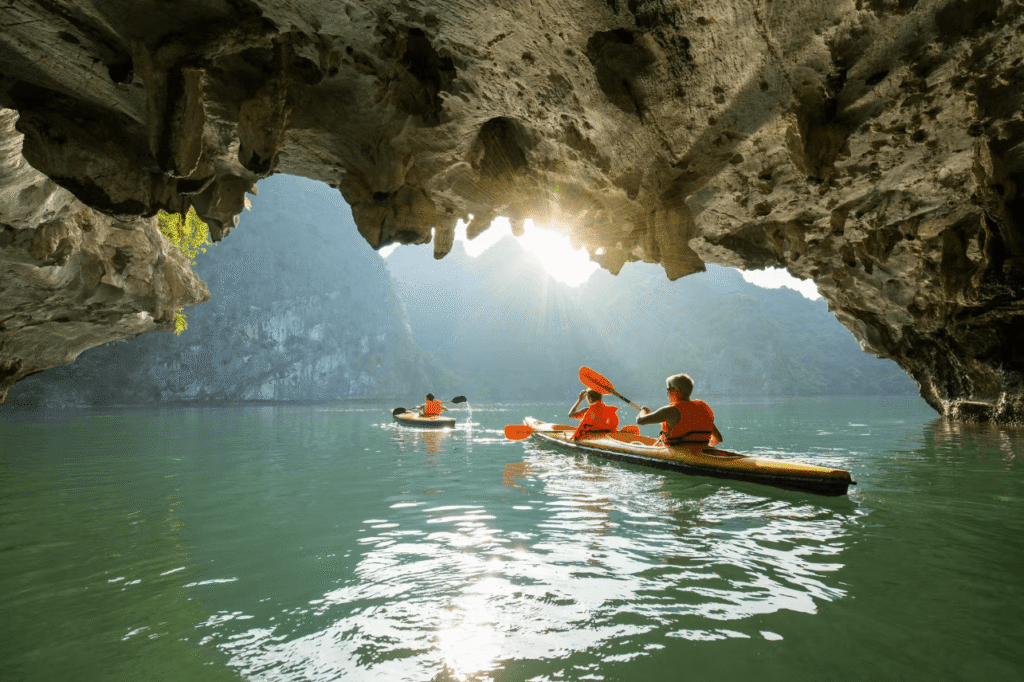
Vietnam’s most iconic landscape: over 1,600 limestone islands rising dramatically from emerald-green water, many riddled with vast cave systems. Ha Long Bay is a UNESCO World Heritage Site, and rightly so. There is nowhere else quite like it. The way to experience it properly is on an overnight cruise; day trips from Hanoi do the bay a disservice. For a quieter alternative with identical scenery and far fewer boats, Lan Ha Bay, reached via Cat Ba Island, offers the same karst drama with a fraction of the crowds.
Hoi An
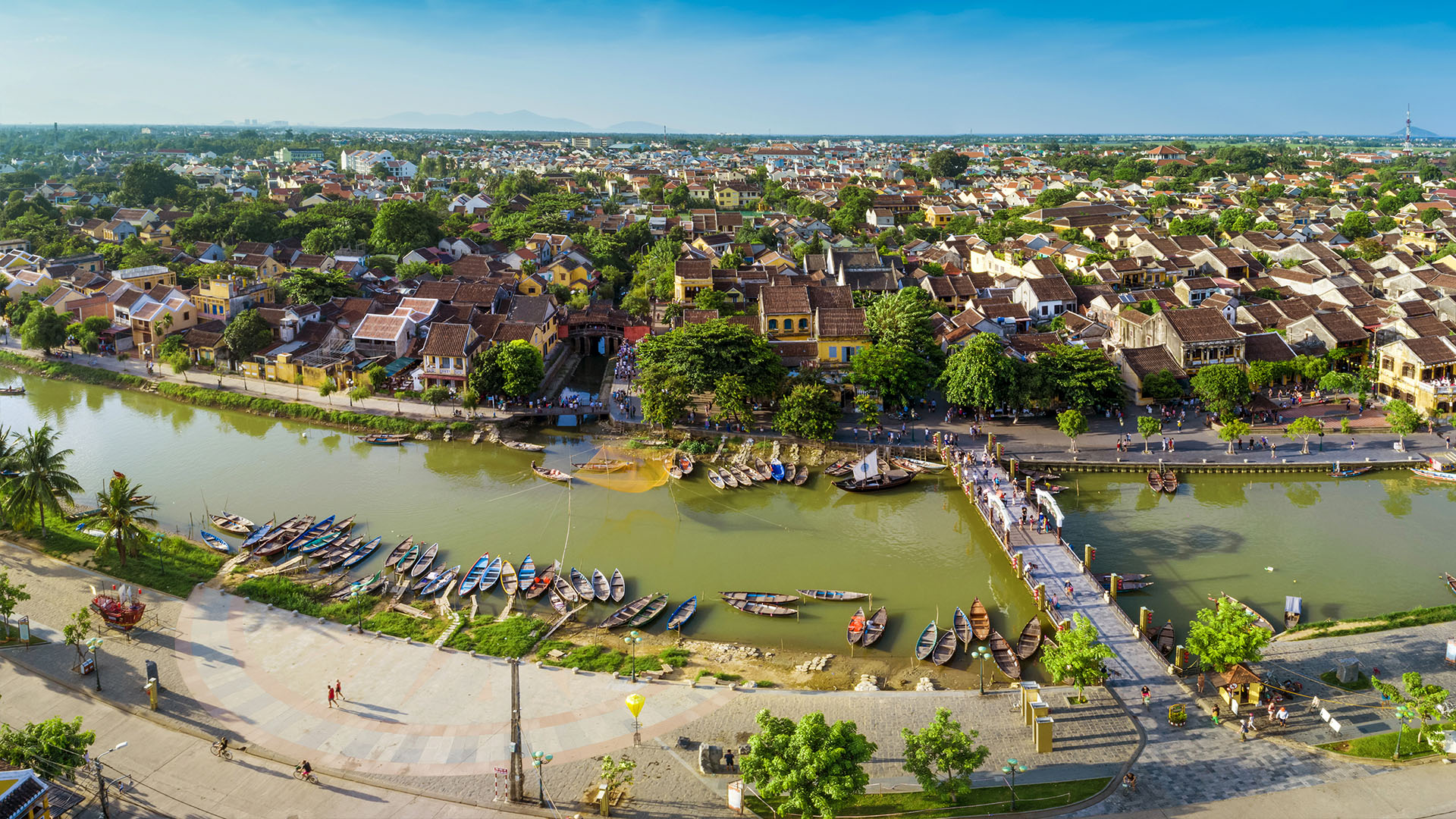
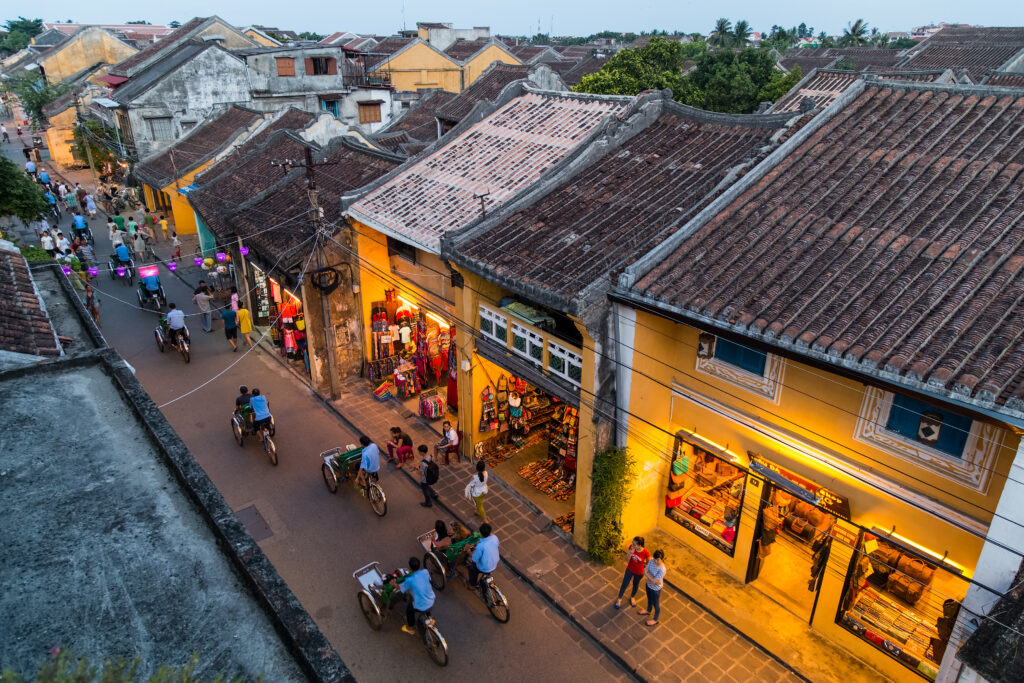
If Ha Long Bay is Vietnam’s great natural spectacle, Hoi An is its great urban one. The Ancient Town, a UNESCO-listed trading port dating back to the 15th century, is extraordinarily well-preserved, its wooden merchant houses, Japanese Covered Bridge, and lantern-draped streets creating an atmosphere that feels genuinely historic rather than reconstructed. Beyond the Old Town, Hoi An has excellent beaches 4km away, outstanding food (cao lau, white rose dumplings, banh mi from Phuong), and a thriving tailoring scene. Allow three nights minimum.
Phong Nha – Ke Bang (Quang Binh)
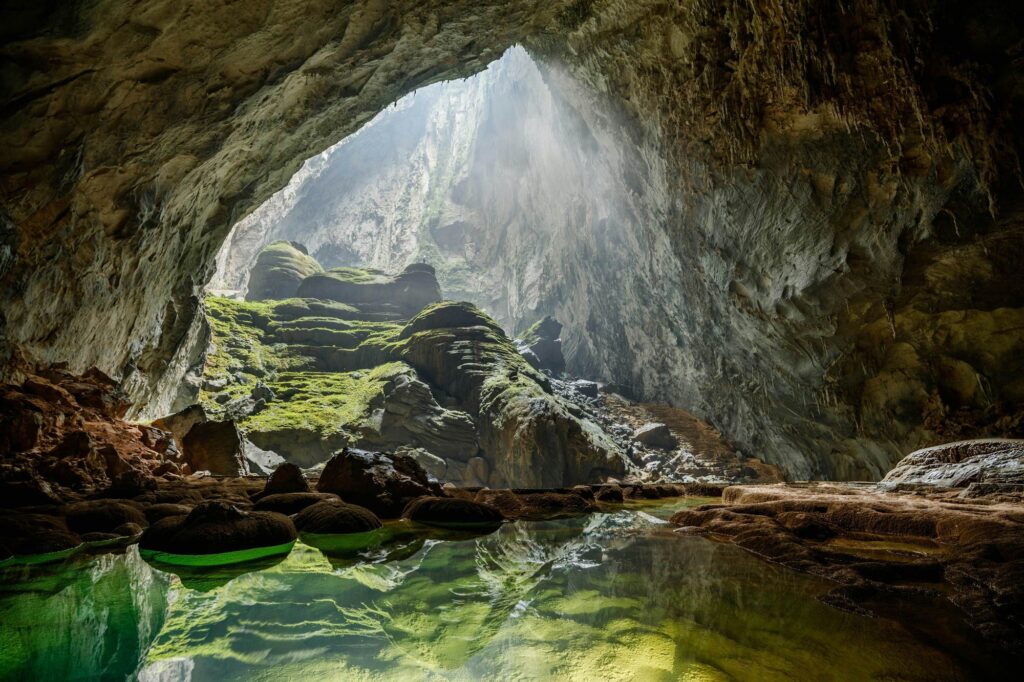
One of Vietnam’s most extraordinary and underappreciated destinations. The Phong Nha-Ke Bang National Park is home to the world’s largest cave system, including Son Doong, the single biggest cave on Earth, and the spectacular Hang En, where you can camp overnight on a sand beach inside the cave itself. Even the more accessible caves like Paradise Cave and Dark Cave are genuinely awe-inspiring. This is Vietnam at its most adventurous, and it rewards travellers willing to make the detour.
Sapa
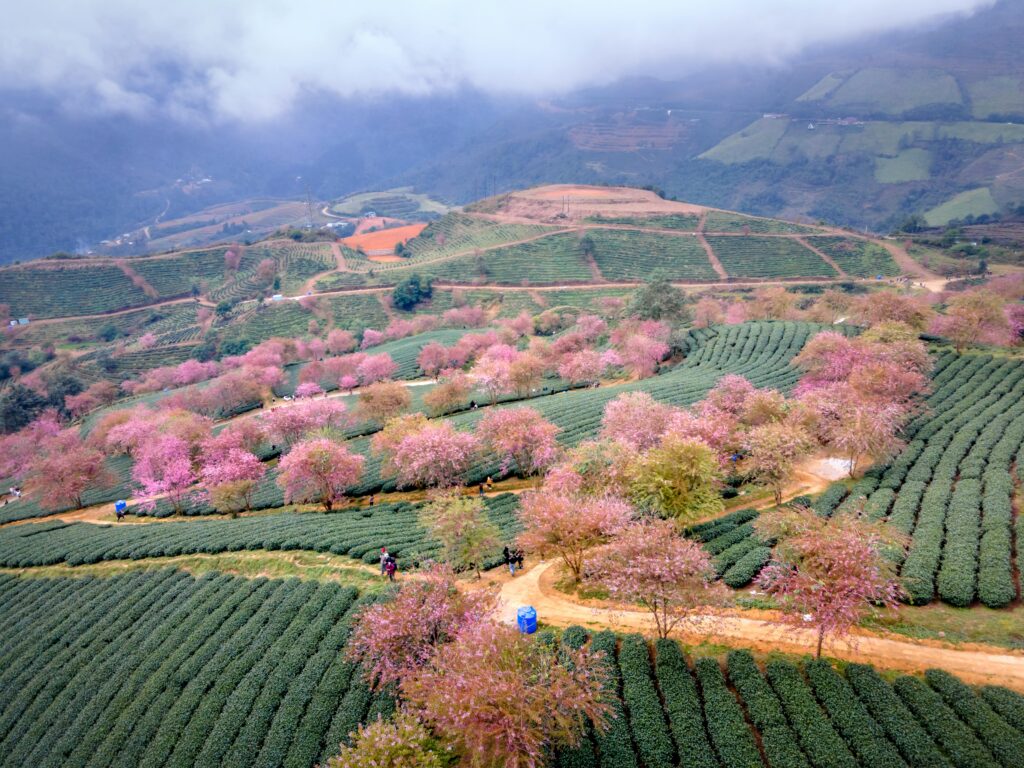
The terraced rice fields of Sapa, carved into the slopes of the Hoang Lien Son range near Vietnam’s border with China, remain among the most visually dramatic landscapes in Southeast Asia. Home to H’mong, Red Dao, Tay, and Giay ethnic minority communities, the region offers a level of cultural immersion that’s increasingly rare elsewhere in Vietnam. That said, Sapa town itself has developed rapidly. It welcomed over 4 million visitors in 2025 and is now classified as a national strategic tourism city. The experience depends heavily on how you travel: staying in a village homestay rather than the town centre, going with a knowledgeable local guide, and choosing shoulder season (March–May or September–October) over peak summer weekends makes an enormous difference.
Ninh Binh
Often nicknamed “Ha Long Bay on land“, Ninh Binh delivers limestone karst scenery of a different kind, with peaks rising from flooded rice paddies and winding rivers rather than the open sea. The boat ride through Tam Coc, rowed by local women using their feet, is one of Vietnam’s most distinctive experiences. Combine it with a cycle through the paddies, a visit to the ancient capital of Hoa Lu, and the cave pagoda of Bich Dong. Just two hours from Hanoi, it works as a day trip or a relaxed overnight.

Ha Giang
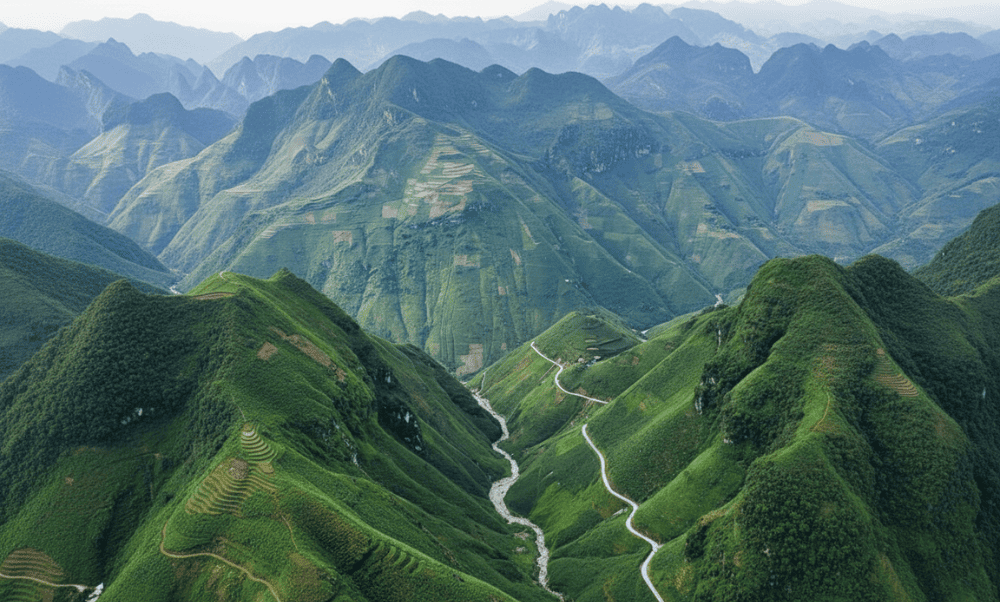
For travellers willing to venture into Vietnam’s remote far north, Ha Giang delivers scenery that stops people in their tracks. The Ha Giang Loop, a 300km motorbike circuit through the Dong Van Karst Plateau Geopark, passes through landscapes that feel genuinely untouched: vertical limestone cliffs, deep river gorges, and small H’mong villages where daily life continues largely unchanged. This is Vietnam at its most raw and spectacular, and it remains far less visited than Sapa despite being arguably more impressive.
Ho Chi Minh City (Saigon)
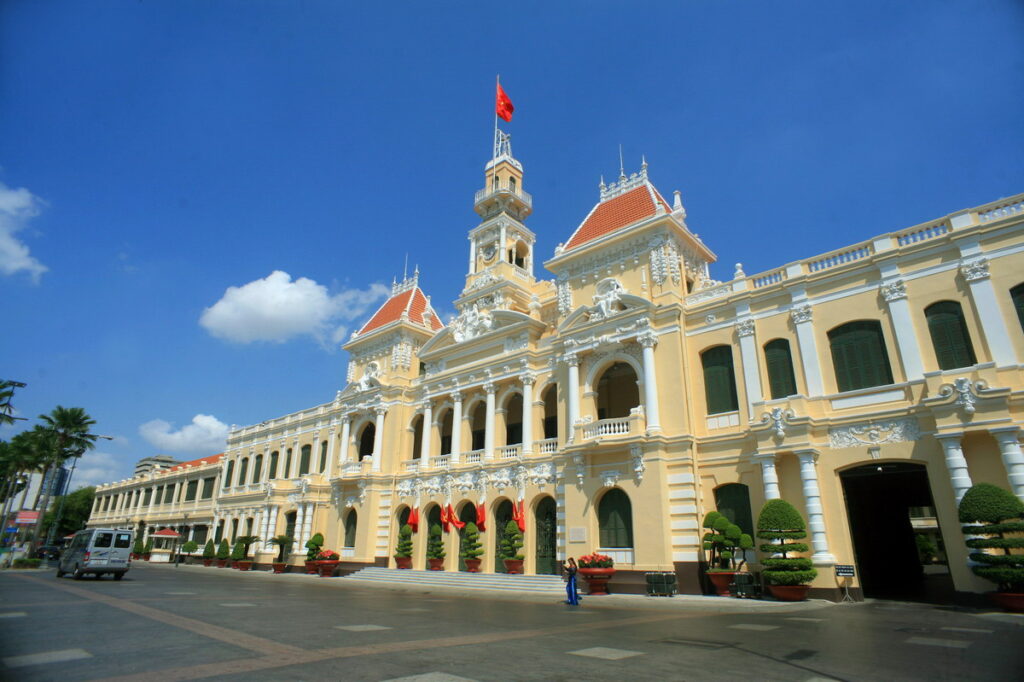
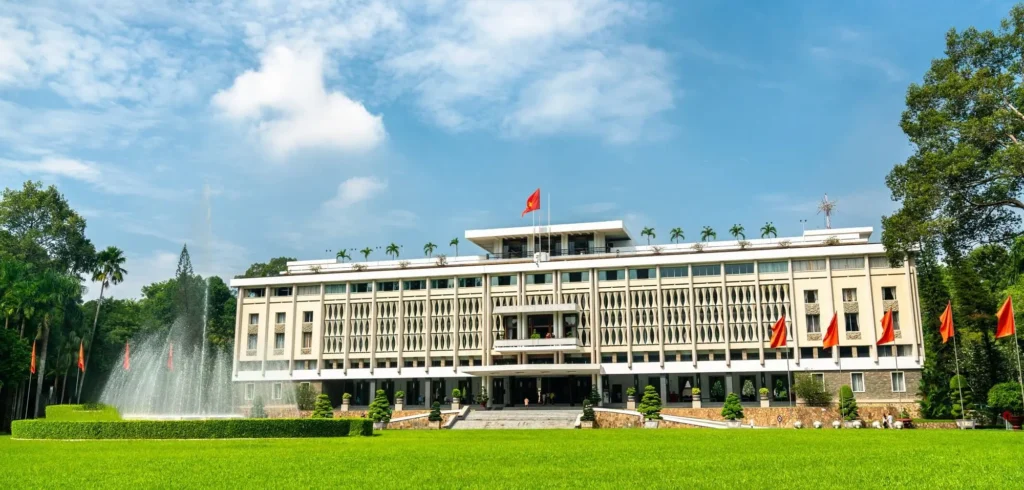
Vietnam’s largest city is a sensory experience unlike anywhere else in the country. Twelve million people. Millions of motorbikes. Rooftop bars, street food lanes, war museums, French-colonial architecture, and a dining scene that runs the full spectrum from family pho shops to Michelin-starred restaurants. The pace here is faster and louder than anywhere in the north or centre, which is either exhilarating or exhausting, depending on your disposition. Either way, it’s unmissable. Allow two to three nights, plus a day trip to the Cu Chi Tunnels or the Mekong Delta.
Phu Quoc
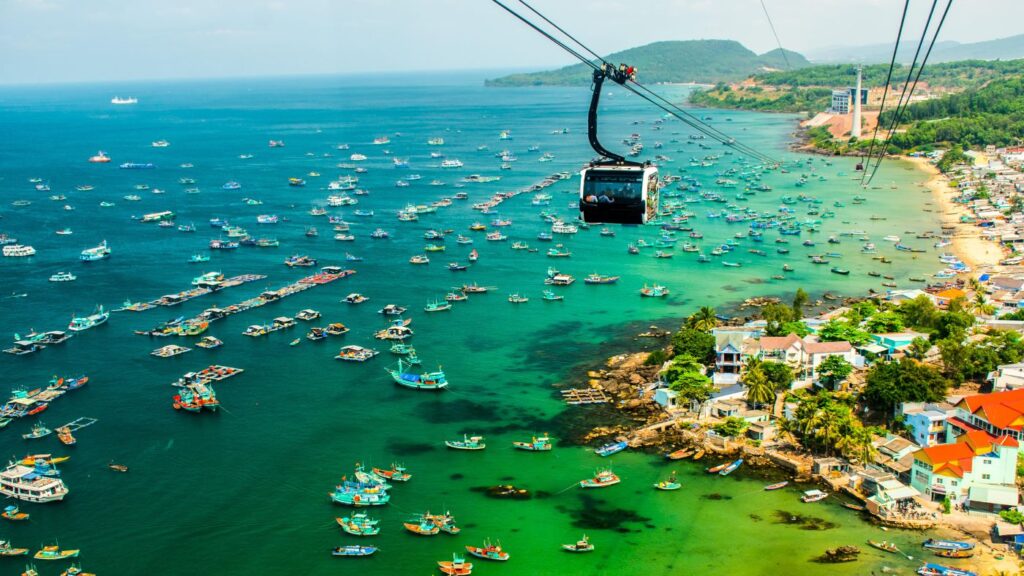
Vietnam’s largest island has transformed over the past decade into a fully-fledged beach resort destination, with a long west-coast shoreline of white sand, a string of luxury resorts, The world’s longest three-wire cable car system crossing the sea (Hon Thom Cable Car). and reliable sunshine from November through April. Beyond the beach, Phu Quoc is worth exploring for its fish sauce factories, pepper farms, and the northern national park where the pace drops considerably. It works well as a standalone beach escape or as a final chapter after a mainland itinerary.
Hidden Gems Worth Seeking Out
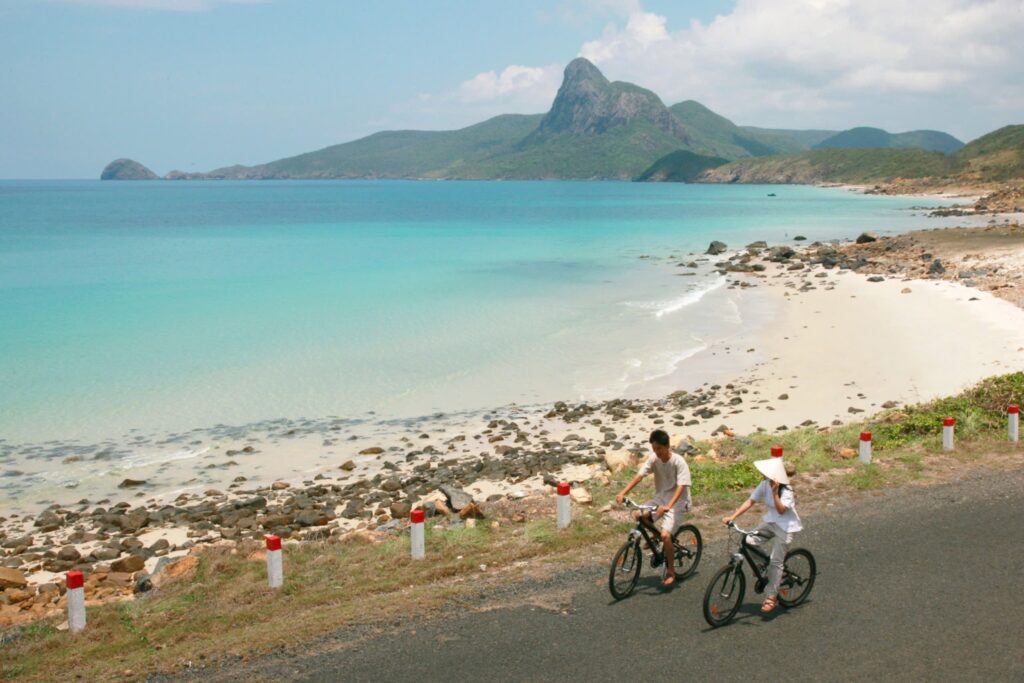
- Con Dao: A remote island archipelago off Vietnam’s southern coast with pristine beaches, sea turtle nesting sites, and a sobering colonial prison history. The most unspoilt island destination in the country, and still genuinely off the main tourist trail.
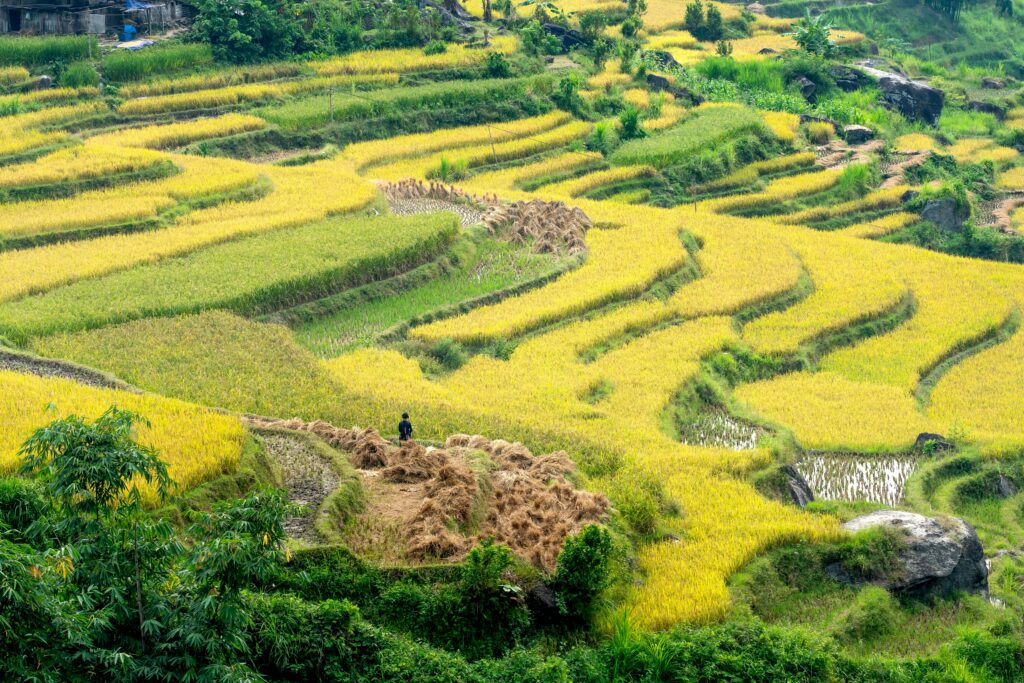
- Pu Luong: A nature reserve in Thanh Hoa province with terraced rice paddies, traditional stilt-house villages, and trekking trails that see a fraction of Sapa’s visitor numbers. Ideal for travellers who want the northern highland experience without the crowds.
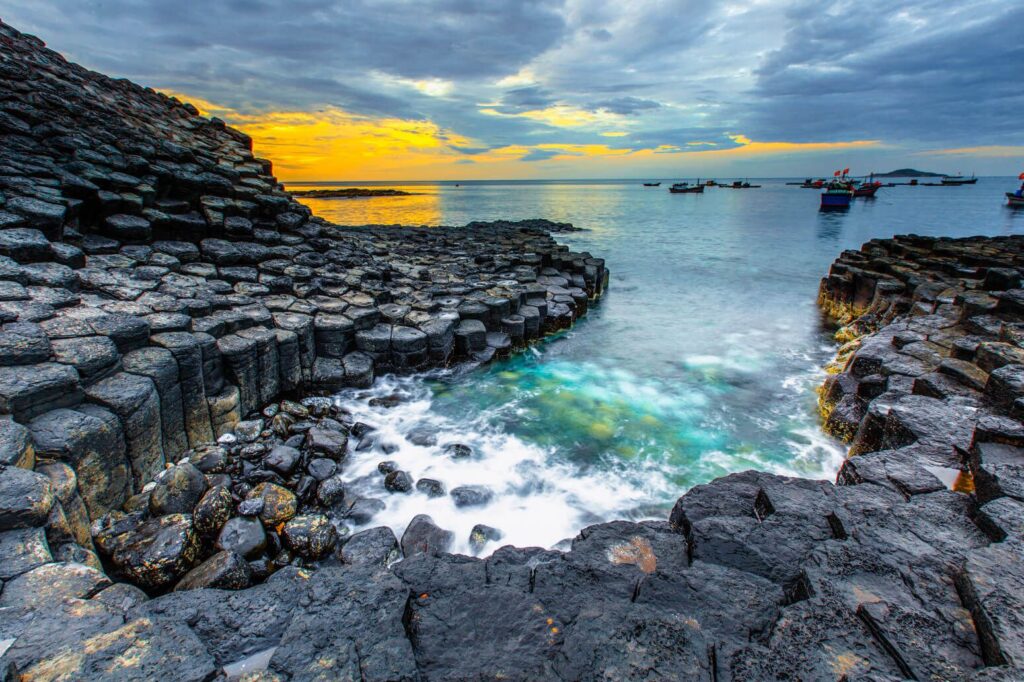
- Phu Yen: A quiet coastal province between Nha Trang and Quy Nhon, known for its dramatic basalt rock formations, empty beaches, and the famous Ganh Da Dia (The Cliff of Stone Plates), a natural hexagonal rock platform that looks almost engineered. Largely undiscovered by international visitors.
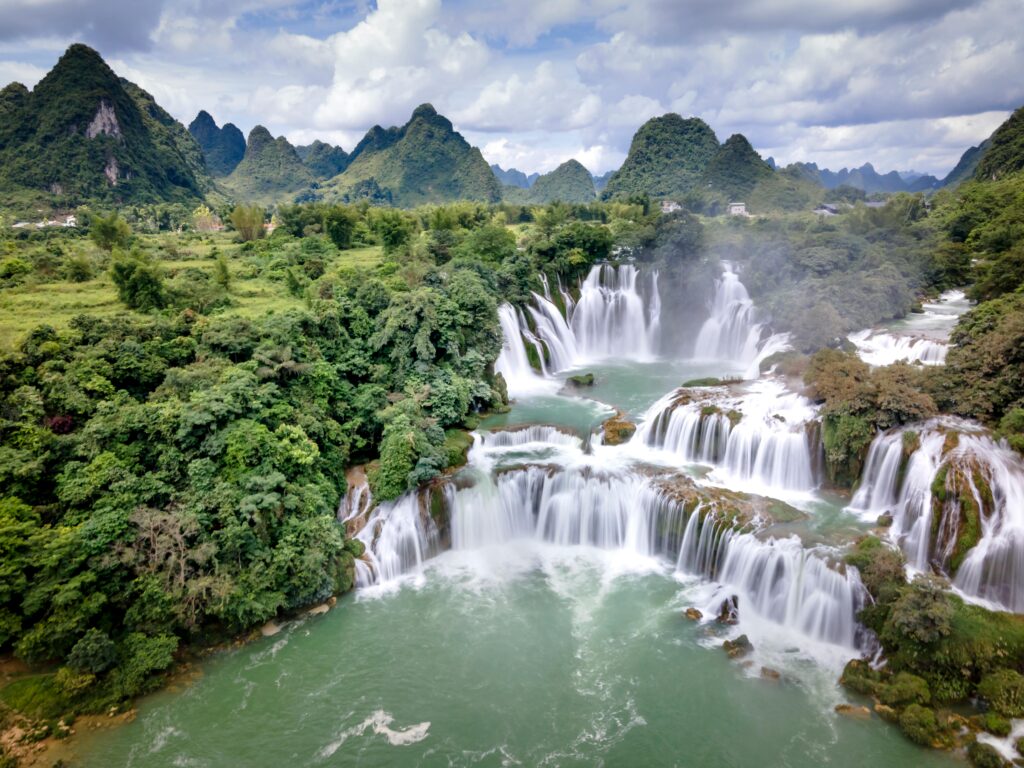
- Ban Gioc Waterfall (Cao Bang): One of the largest waterfalls in Southeast Asia, straddling the border between Vietnam and China. The surrounding Cao Bang province is equally spectacular, with karst scenery that rivals Ha Giang but attracts far fewer visitors.
- Lan Ha Bay: Technically part of the same geological formation as Ha Long Bay but administered separately, Lan Ha offers the same emerald waters and limestone karsts with considerably less boat traffic. Accessible via Cat Ba Island, it’s the insider choice for Ha Long Bay cruises.
Getting to Vietnam
Vietnam has three main international airports:
- Noi Bai International Airport (HAN), serving Hanoi and the north
- Da Nang International Airport (DAD), serving the central region
- Tan Son Nhat International Airport (SGN), serving Ho Chi Minh City and the south
For most first-time visitors, the classic routing is to fly into Hanoi and out of Ho Chi Minh City (or vice versa), avoiding backtracking. This is also how most north-to-south itineraries are structured.
Here is a quick look at how to get here:
| Region / Country | Direct Flights | Common Transit Hubs |
| Europe (UK, France, Germany) | Direct to HAN/SGN (Vietnam Airlines) | Singapore, Doha, Dubai, Bangkok |
| Australia & New Zealand | Direct from Sydney/Melbourne to SGN/HAN | Singapore, Kuala Lumpur |
| USA & Canada | Direct from San Francisco to SGN | Taipei, Seoul, Tokyo, Hong Kong |
| Southeast Asia | Many direct flights to all 3 regions | (Direct flights) |
Pro tip: After a long flight, waiting in customs lines can be tiring. To save energy, many travelers use an airport Fast Track service to skip the line. When you book a trip with Ginkgo Voyage, you can easily add this Fast Track service as an optional add-on. We will make sure your vacation starts the minute you land, without any annoying delays.
Getting Around Vietnam
Internal transport is one of the most important decisions you’ll make when planning a Vietnam trip. The country’s length means that the wrong choice here can cost you hours, or in some cases whole days.
Domestic Flights
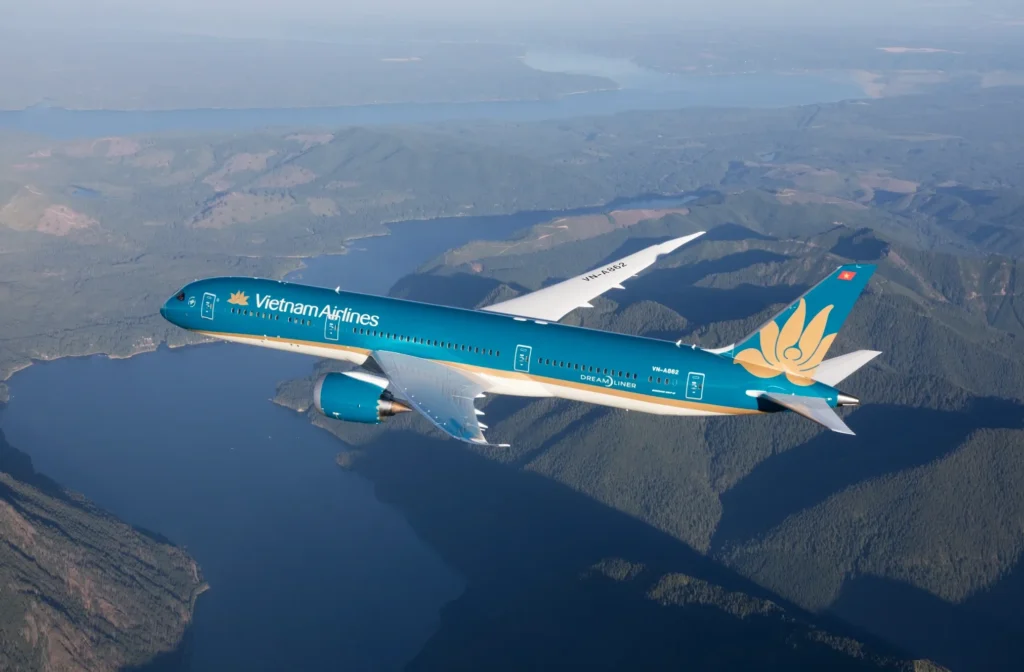
For most itineraries of 14 days or less, domestic flights are the most practical way to cover the distances between regions. Vietnam Airlines, Vietjet, and Bamboo Airways connect all major cities. Flight times are typically 1.5 to 2 hours and fares are reasonable if booked in advance. On most private guided tours, internal flights are included in the package price.
Private Car with Driver
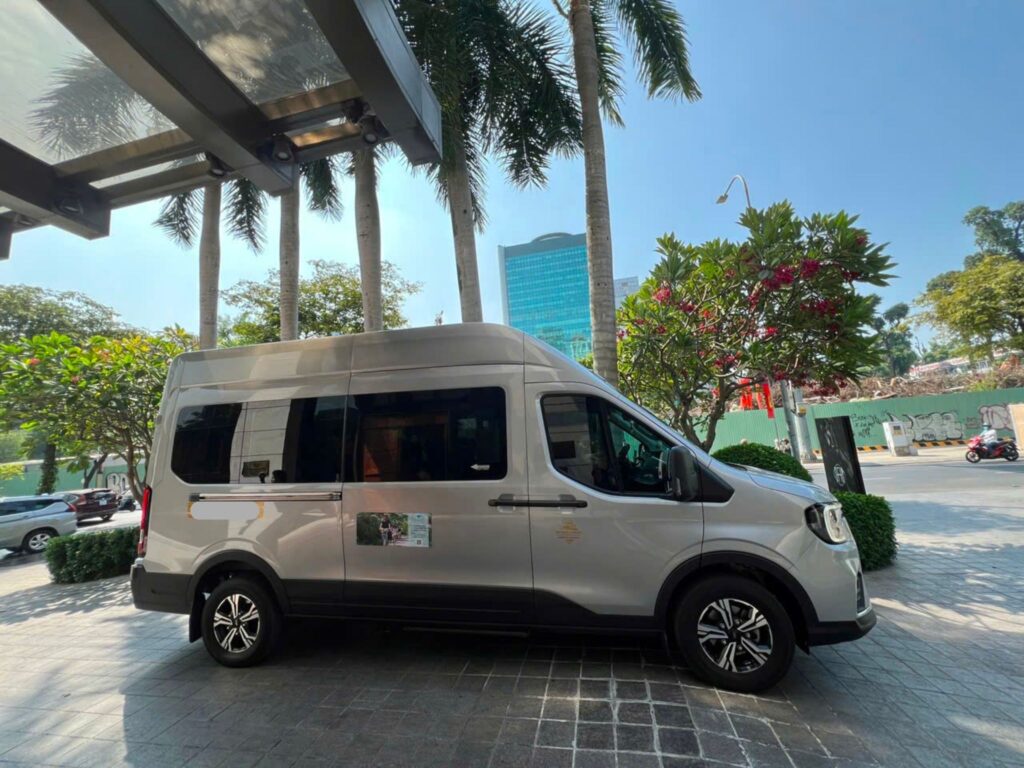
For shorter overland legs such as Da Nang to Hoi An (30 minutes) or Hue to Hoi An (2.5 hours over the Hai Van Pass), a private car with driver offers by far the most comfortable and flexible option. This is standard practice on private guided tours and allows you to stop for viewpoints, markets, or roadside coffee at your own pace.
The Premium Luxury Train
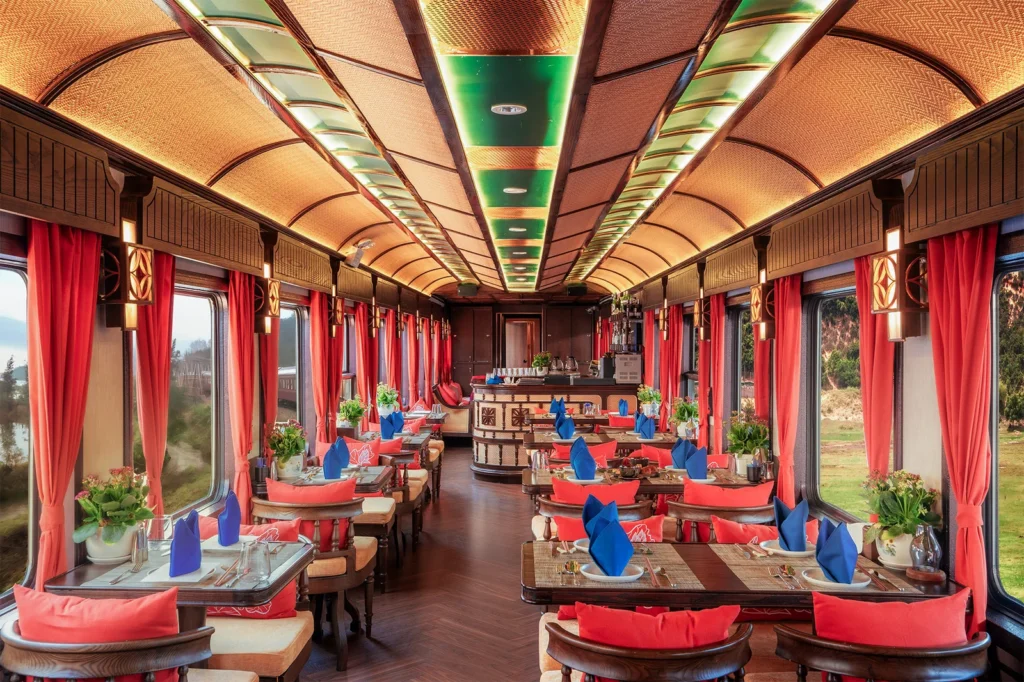
For a truly nostalgic journey, luxury trains like The Vietage (connecting Da Nang and Quy Nhon), the boutique S’Journey, and the classic Victoria Express (heading to Sapa) offer an extraordinary way to travel. Featuring restored heritage carriages with panoramic windows, gourmet dining, and high-end services, these trains turn transit time into a scenic highlight as Vietnam’s stunning landscapes roll past.
Overnight Train
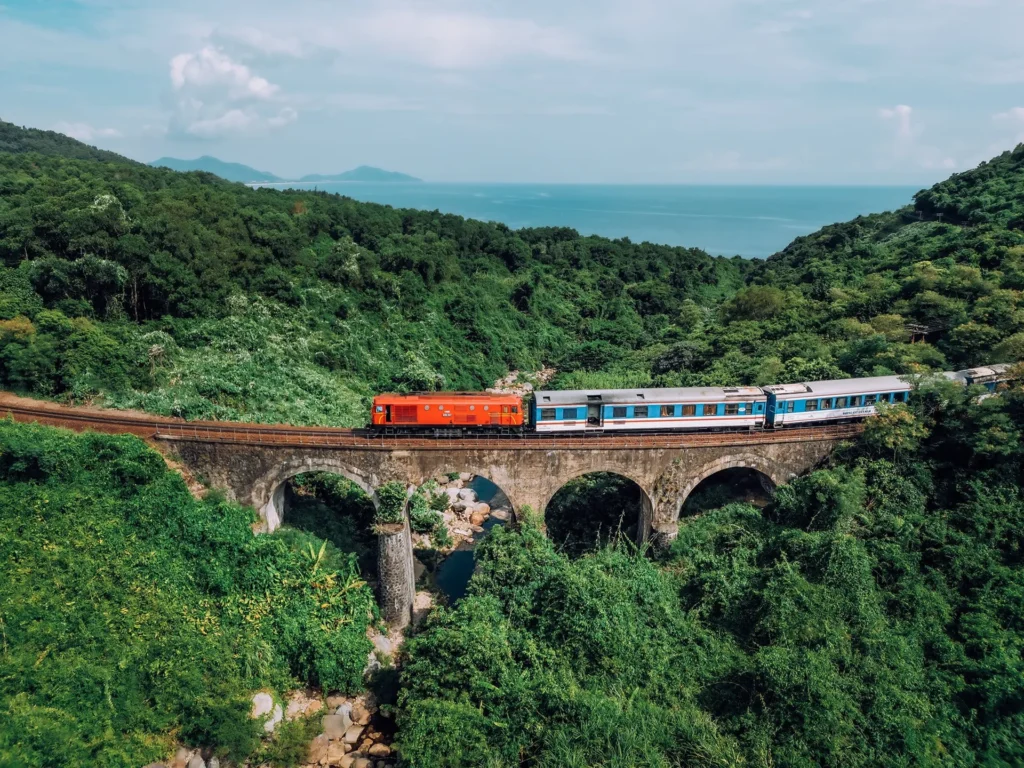
The Reunification Express runs the length of the country, connecting Hanoi and Ho Chi Minh City with stops at all major cities. Overnight sleeper trains between Hanoi and Da Nang (approximately 14–16 hours) are a budget-friendly option that saves a night’s accommodation, though comfort levels vary significantly between cabin classes.
Ha Long Bay Cruise
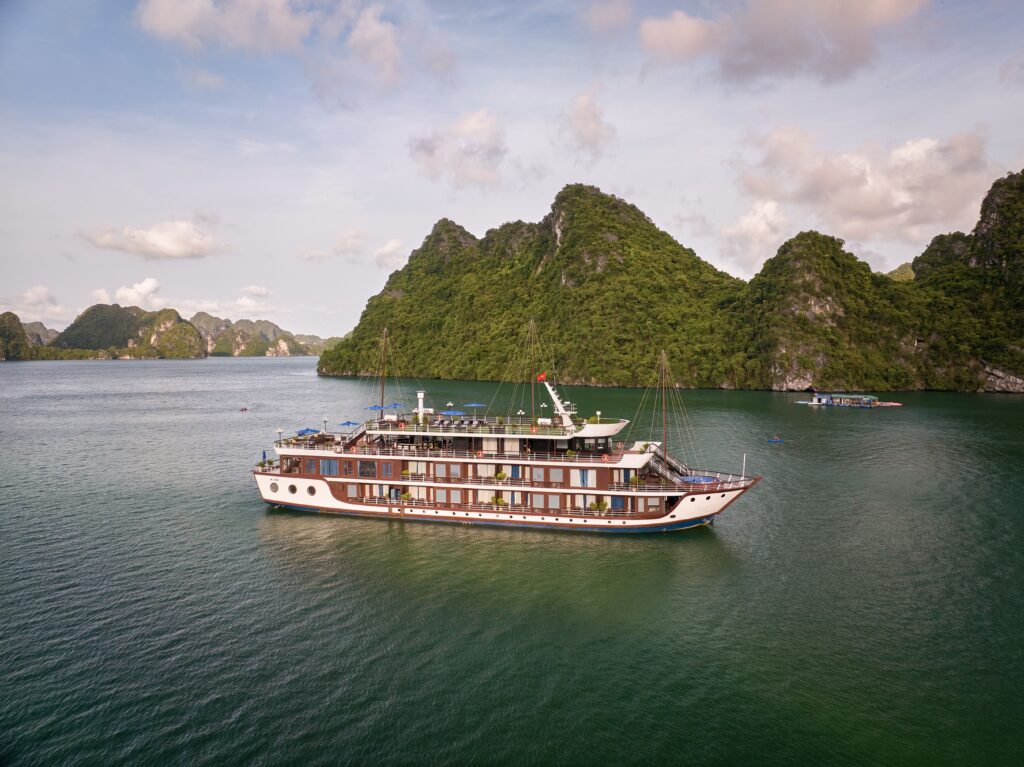
Getting around Ha Long Bay is a category unto itself. The only way to see the bay properly is by boat, and the difference between operators is enormous. Mid-range junks offer solid comfort; premium operators like Capella or Lyra Grandeur deliver a genuinely luxurious overnight experience with better food, fewer passengers, and more exclusive anchorages.
Vietnam Travel Budget: What Does It Actually Cost?
Vietnam can be done on almost any budget, but the experience varies enormously depending on how you travel. Here’s an honest breakdown for different styles of trip.
Budget Traveller: $40–70/day
Hostel dorms or basic guesthouses ($8–15/night), banh mi and pho for meals ($1–3 per dish), sleeper buses or overnight trains between cities, and joining group tours for major sights. Perfectly doable and genuinely fun, though expect shared transport, variable guide quality, and less time flexibility.
Comfort: $120–180/day
Hand-picked 3-star boutique hotels in good locations ($50–90/night), meals at respected local restaurants ($10–25 per person), private car for transfers, and a dedicated local guide. This is the entry point for private guided travel, a significant step up in both quality and personalisation.
Deluxe: $180–300/day
Character-rich 4-star boutique hotels and coastal resorts ($100–200/night), private guides with genuine specialist knowledge, curated dining experiences including cooking classes and market visits, and premium overnight cruises on Ha Long Bay. This is the level at which Vietnam genuinely surprises you.
High-End: $300+/day
Five-star international hotels (Sofitel Legend Metropole Hanoi, Azerai Saigon, Nam Hai Hoi An), Michelin-starred dining, private chauffeurs, priority immigration, and a fully customised itinerary built entirely around your interests. Vietnam has excellent luxury infrastructure, and at this level, it competes comfortably with any destination in the world.
Solo travelers note: A "Single Supplement" fee applies on most private tours, as you're covering the fixed costs of a hotel room and private vehicle designed for two. Factor this into your budget planning.
Vietnam Culture & Cuisine
A Country That Gets Under Your Skin
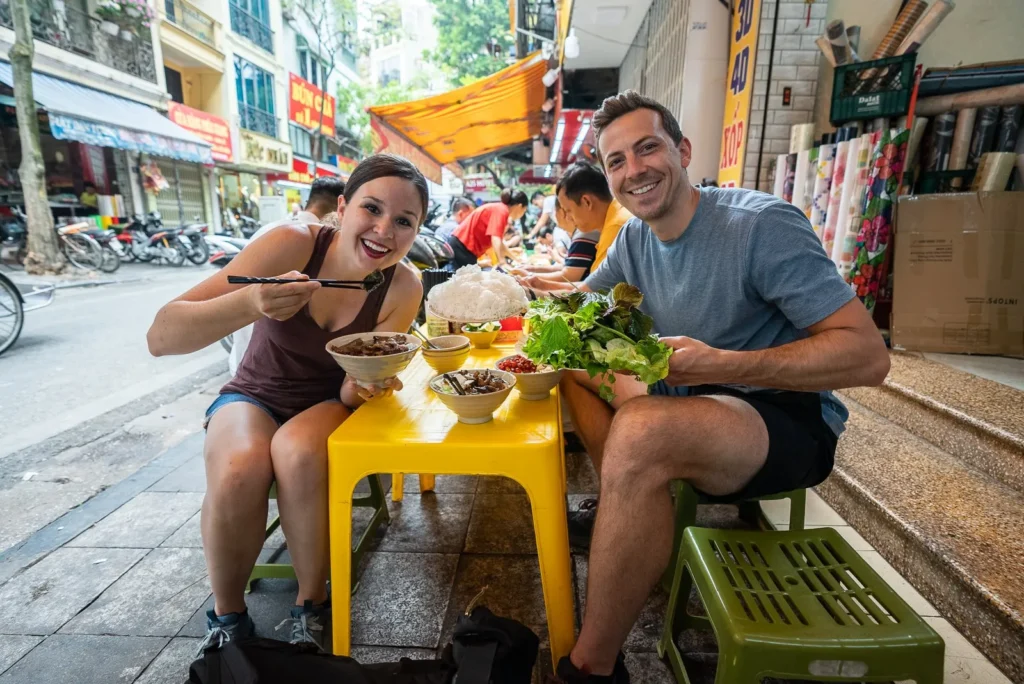
There’s a particular kind of morning you find in Vietnam and nowhere else. It starts before sunrise, when the streets are still cool and the first pho broth has been simmering since midnight. Plastic stools appear on the pavement. Coffee drips slowly through a metal filter into a glass of condensed milk.
Somewhere nearby, incense smoke curls up from a temple doorway. The city is waking up, and it’s doing so with an unhurried confidence that takes most visitors completely by surprise.
Vietnam is an old country with a layered, complex soul. Centuries of Chinese influence, a brief but deeply felt French colonial chapter, and the living memory of modern conflict have all left their mark, producing a culture that is simultaneously proud and curious, traditional and forward-moving.
The Vietnamese have a word for it: chen lấn, the push and flow of a crowd that somehow doesn’t overwhelm. You feel it in the traffic, in the markets, in the way a street food vendor can serve 200 bowls before 8am and still find time to ask where you’re from.
54 Peoples, One Country
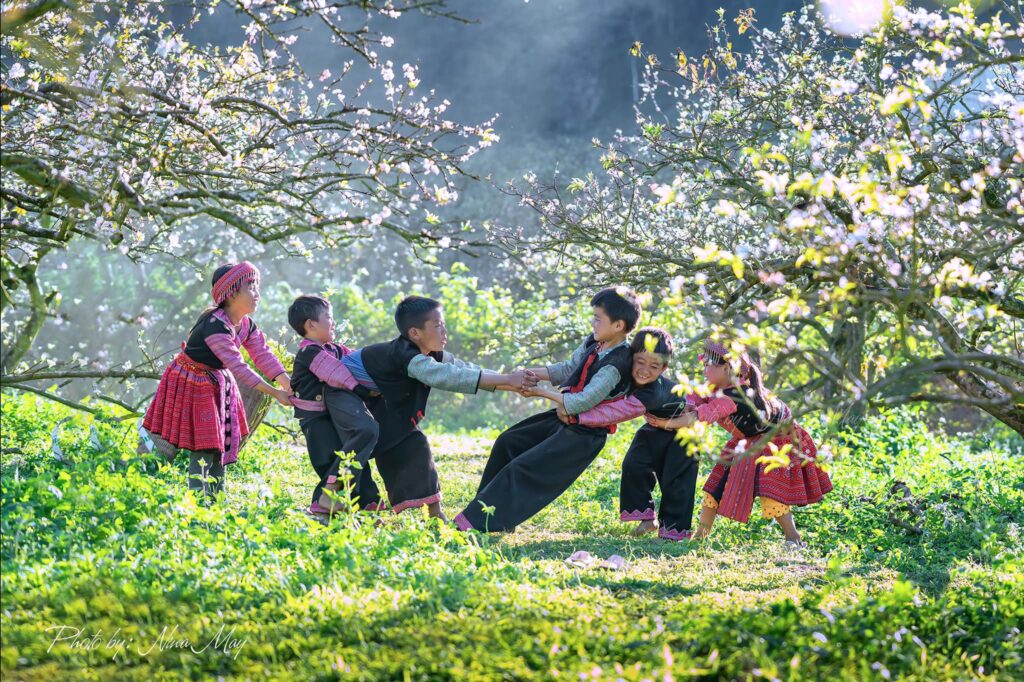
Vietnam is far more ethnically diverse than most visitors realise. The Kinh majority make up around 86% of the population, but 53 other recognised ethnic groups call this country home, each with their own language, traditional dress, and way of marking time. The Hmong and Red Dao in the northern highlands, the Muong in the mountains west of Hanoi, the ancient Cham kingdom whose temples still stand along the central coast.
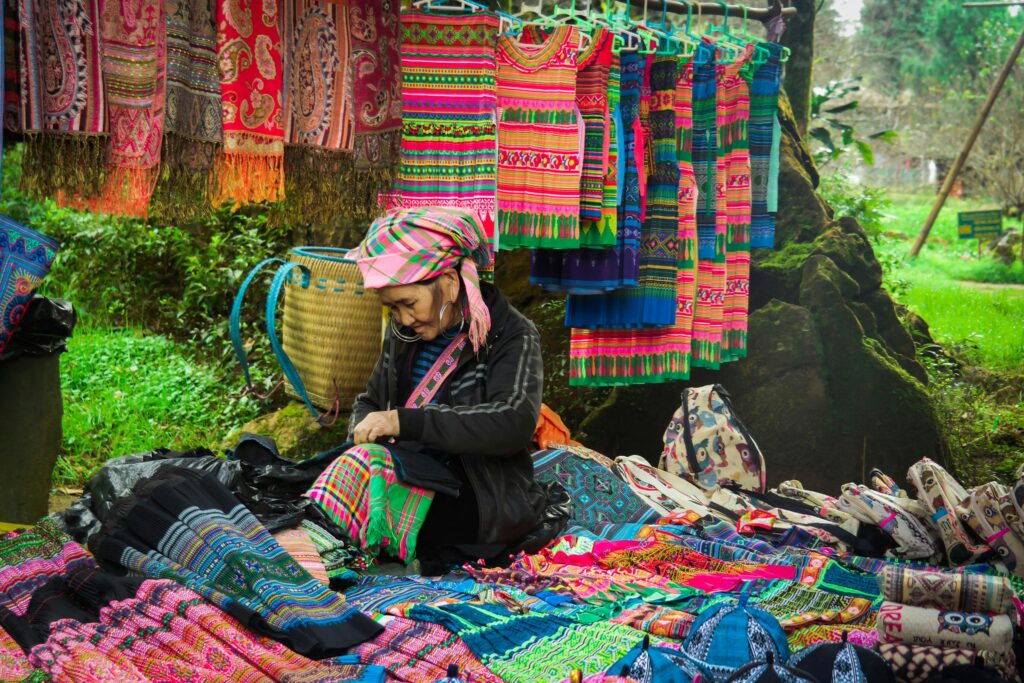
On longer itineraries that venture into the northern highlands or the central hinterland, encounters with these communities become some of the most memorable moments of the entire trip, not as a spectacle but as a genuine window into lives lived very differently from your own.
The Food: Vietnam’s Greatest Export
To eat in Vietnam is to understand Vietnam. The cuisine is built on a set of principles that sound simple but take a lifetime to master: the freshest possible ingredients, minimal heat, generous herbs, and an almost obsessive attention to balance. Every dish arrives as a negotiation between sour, sweet, salty, and spicy, with texture playing an equal role alongside flavour.
What makes Vietnamese food endlessly fascinating is how dramatically it shifts as you move through the country. In Hanoi, the cooking is restrained and precise. A bowl of pho is a study in clarity, its broth built from bones and spices simmered for hours until it achieves a kind of translucent depth. Travel south to Hue and the flavours turn bold and royal, reflecting the old imperial court’s love of ceremony and complexity. By the time you reach Ho Chi Minh City, the food has loosened up entirely: sweeter, more abundant, piled high with fresh herbs and served fast on a street corner or a rooftop with equal ease.
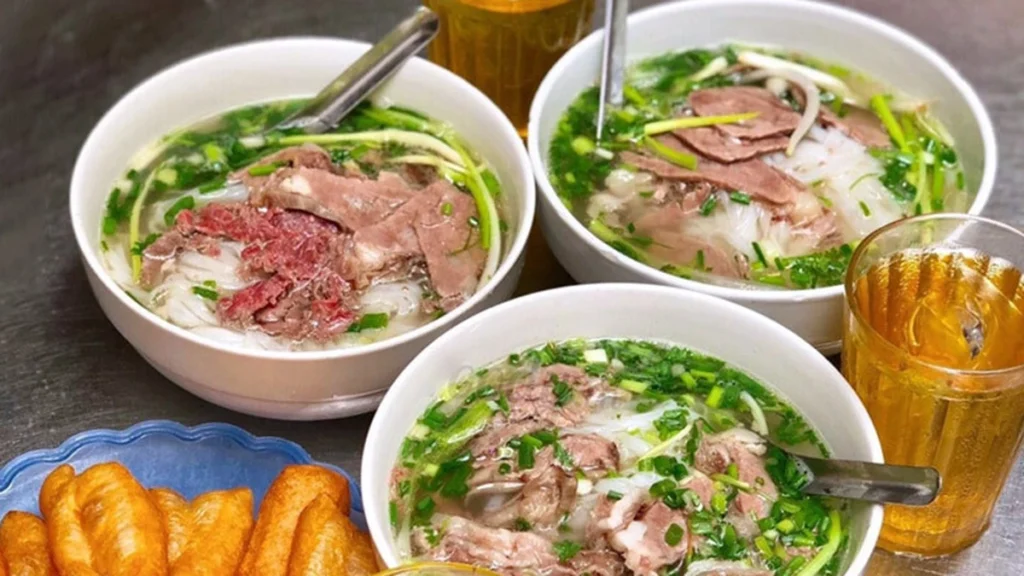

A few dishes that belong on every first itinerary:
- Pho: The national dish in its truest form comes from a small neighbourhood shop that has been making one broth, one way, for decades. Order it simply, with fresh herbs on the side, and eat it standing up if you have to.
- Banh mi: A crispy French baguette packed with pork, pâté, pickled daikon, fresh coriander, and chilli. One of the great happy accidents of colonial history, and still one of the world’s best sandwiches at any price.
- Cao lau: Hoi An’s signature noodle dish, made with water traditionally drawn from a single ancient well in the Old Town. The recipe is specific to this one place. You cannot eat the real version anywhere else on earth.
- Egg coffee (ca phe trung): A Hanoi invention that sounds improbable until you taste it. Strong robusta espresso topped with a cloud of whipped egg yolk and condensed milk. Rich, sweet, and utterly unlike anything else in the coffee world.
- Bun bo Hue: The spicy lemongrass beef noodle soup that Hue residents will tell you is superior to pho. They are not entirely wrong.
A Few Things Worth Knowing Before You Go
Vietnamese culture is warm and genuinely welcoming to visitors, but a little awareness goes a long way.
- At temples and pagodas, dress modestly with shoulders and knees covered, and remove your shoes before entering.
- Tipping is not expected but is deeply appreciated, particularly for private guides and drivers who invest real care into your experience.
- At markets, gentle bargaining is part of the ritual; at restaurants and shops with displayed prices, it is not.
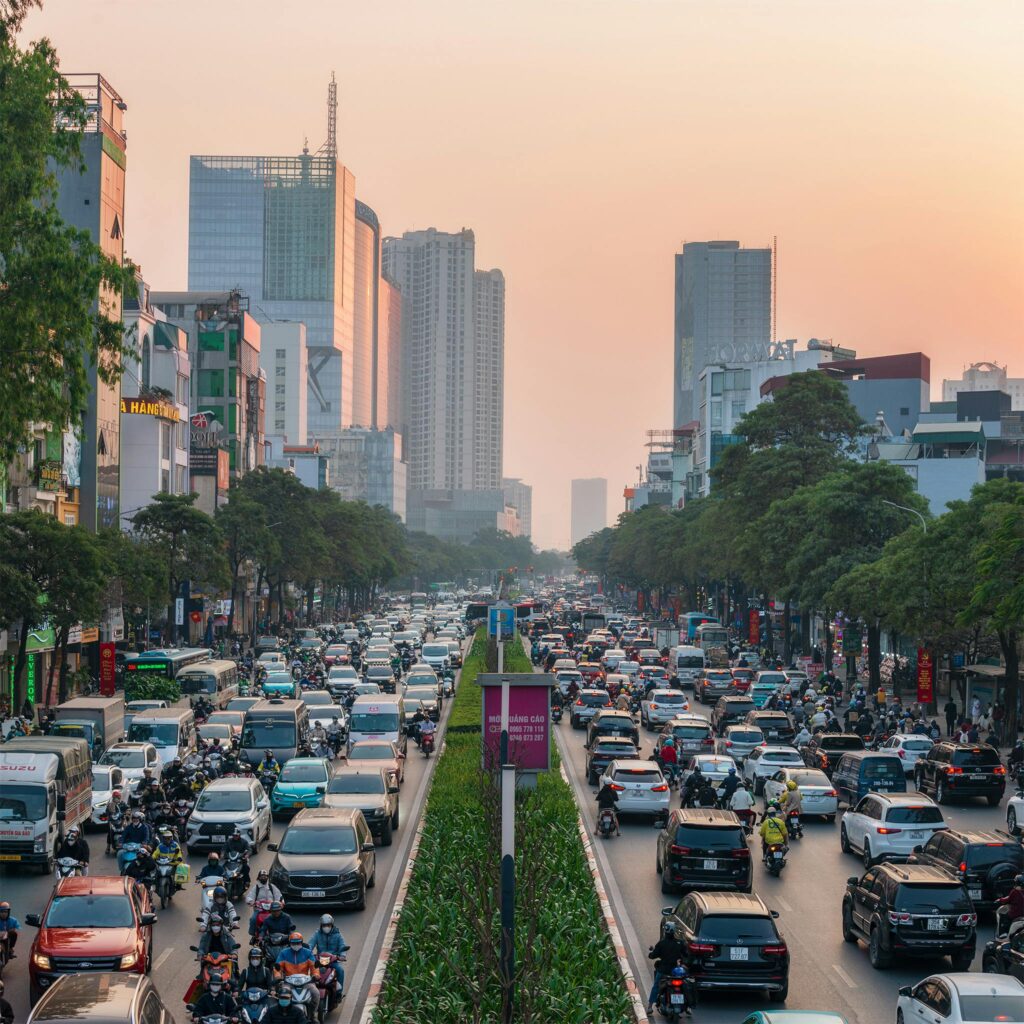
- And then there is the traffic. Vietnam’s streets, particularly in Ho Chi Minh City and Hanoi, operate on a logic that looks like chaos from the outside but is, in fact, a finely calibrated flow. The secret to crossing the road is to walk slowly, steadily, and without hesitation. Do not stop. Do not run. Make eye contact with the approaching motorbikes if it helps.
Is Vietnam Safe?
Yes. Vietnam is consistently ranked among the safest countries in Asia for international tourists. Violent crime targeting visitors is extremely rare. Solo female travellers routinely describe it as one of the most comfortable countries to travel alone in Southeast Asia.
The main risks are the kind common to most tourist destinations: petty theft in crowded markets, occasional motorbike bag-snatching in Ho Chi Minh City (keep bags on the building side, not the road side), and scam taxis at major airports (always use Grab or pre-booked transfers).
Vietnam Visa Information
Most nationalities require a Vietnam e-visa, which grants a single or multiple-entry stay of up to 90 days. The e-visa is applied for online through the official government portal and typically processed within 3 business days, though applying 1–2 weeks before travel is recommended to allow time for any issues.
Citizens of a select group of countries, including Germany, France, Italy, Spain, the UK, and several others, currently benefit from visa exemptions for stays of up to 15 or 45 days. Visa rules change periodically, so always verify your specific situation through the official Vietnamese immigration portal or your country’s embassy before booking.
When you book a tour with Ginkgo Voyage, our team will provide up-to-date visa guidance specific to your passport as part of your pre-trip documentation.
Private Tour vs Group Tour: Which is Right for You
This is worth addressing directly, because it fundamentally changes the nature of your trip.
Group tours gather 20–40 travellers on a fixed departure date, follow a standardised itinerary, and travel by coach between destinations. They’re more affordable and can be sociable. But they also mean compromising on pace, flexibility, and depth, and spending your holiday surrounded by strangers who may have very different interests and energy levels to your own.
Private guided tours, the model Ginkgo Voyage specialises in, are built entirely around you. Your dates, your pace, your interests, your accommodation preferences. You travel with a dedicated private guide and your own vehicle. If you want to spend an extra hour at a market, you stay. If a destination doesn’t interest you, you skip it. There are no shopping stops you didn’t ask for, no waiting for other guests, and no compromises on where you eat or sleep.
For a first trip to Vietnam, where so much of the experience depends on having someone who genuinely knows the country to unlock it for you, a private guided approach consistently delivers a more rewarding result.
Explore Ginkgo Voyage’s hand-crafted Vietnam Private Tours with a true sense of services.
Beyond Vietnam: Multi-Country Southeast Asia Tours
Because it has easy land borders and quick regional flights, Vietnam is the perfect starting piece for a big Southeast Asia trip.
Popular connections include:
- Vietnam to Cambodia: Take a romantic, slow cruise down the Mekong River, or take a short flight directly to Siem Reap to see Angkor Wat.
- Vietnam – Laos – Cambodia: The ultimate Indochina heritage trip.
Travel Tip: We highly recommend booking a pre-designed multi-country package. This ensures all your complicated border visas, boat transfers, and regional flights are handled smoothly for you.
10 Quirky and Fun Facts About Vietnam
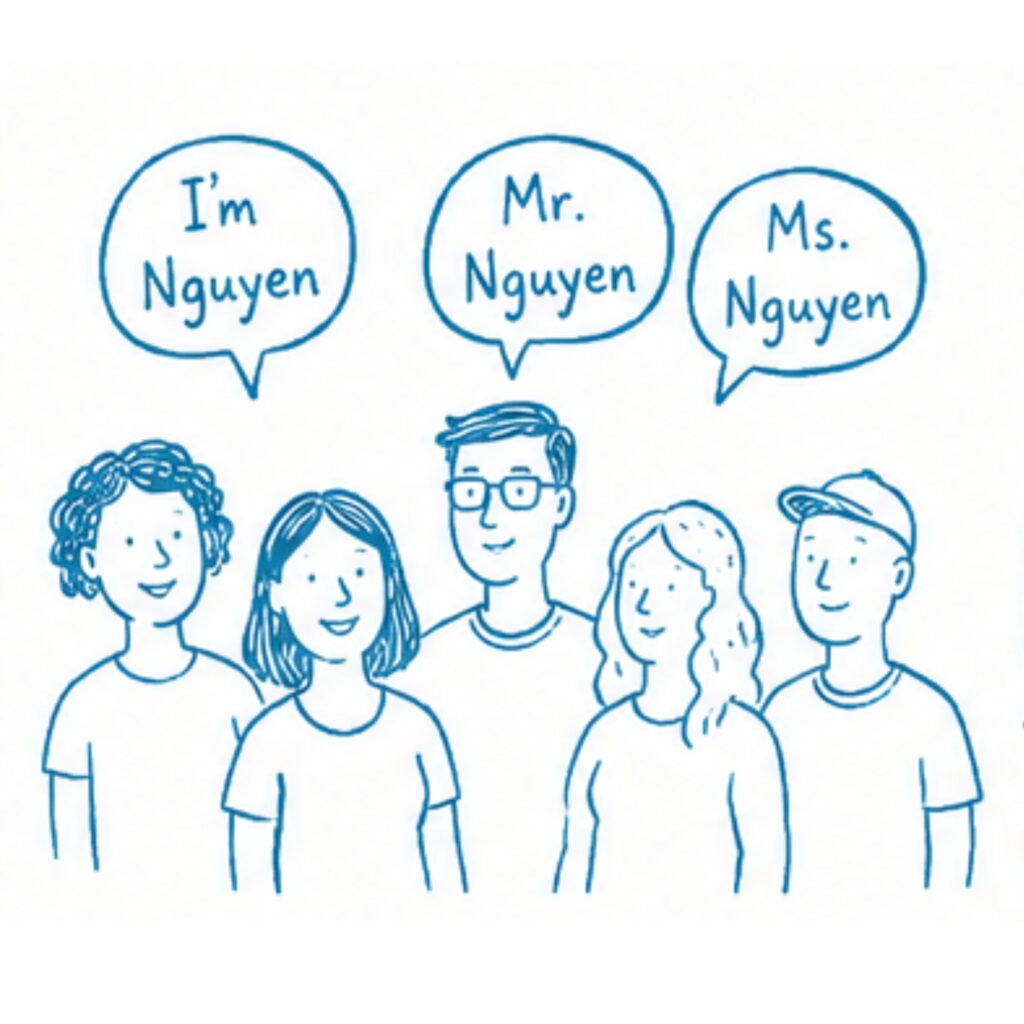
A World of Nguyens
About 40% of the people in Vietnam share the last name “Nguyen.” So if your new friend, your guide, and your driver are all named Nguyen, don’t be surprised, they usually aren’t related at all!
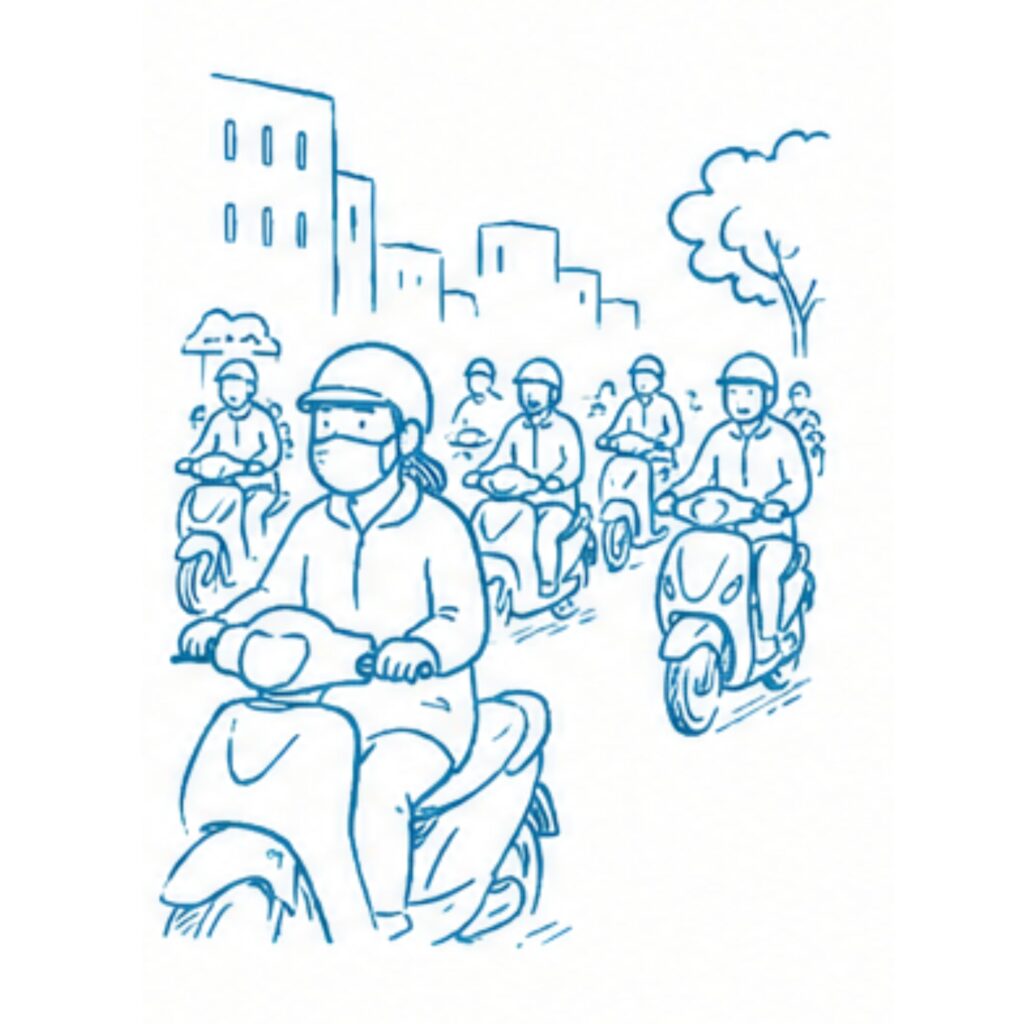
The Motorbike Nation
There are tens of millions of motorbikes here. From far away, the traffic looks like a crazy river. But once you are in it, you see it works smoothly on its own unspoken rules.
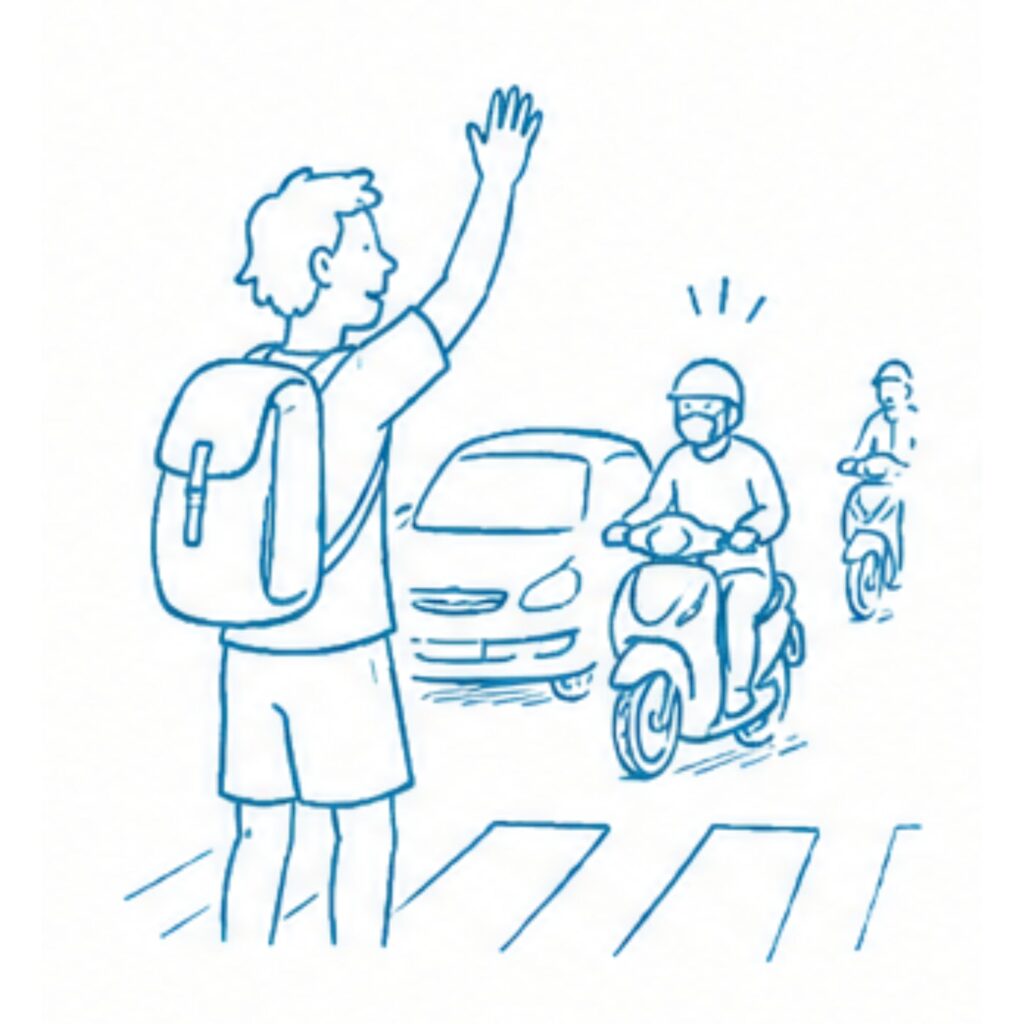
The “art” of crossing the street
To cross a busy street in Hanoi or HCMC, just walk slowly and steadily. Never stop suddenly, and never run, the motorbikes will just flow around you.
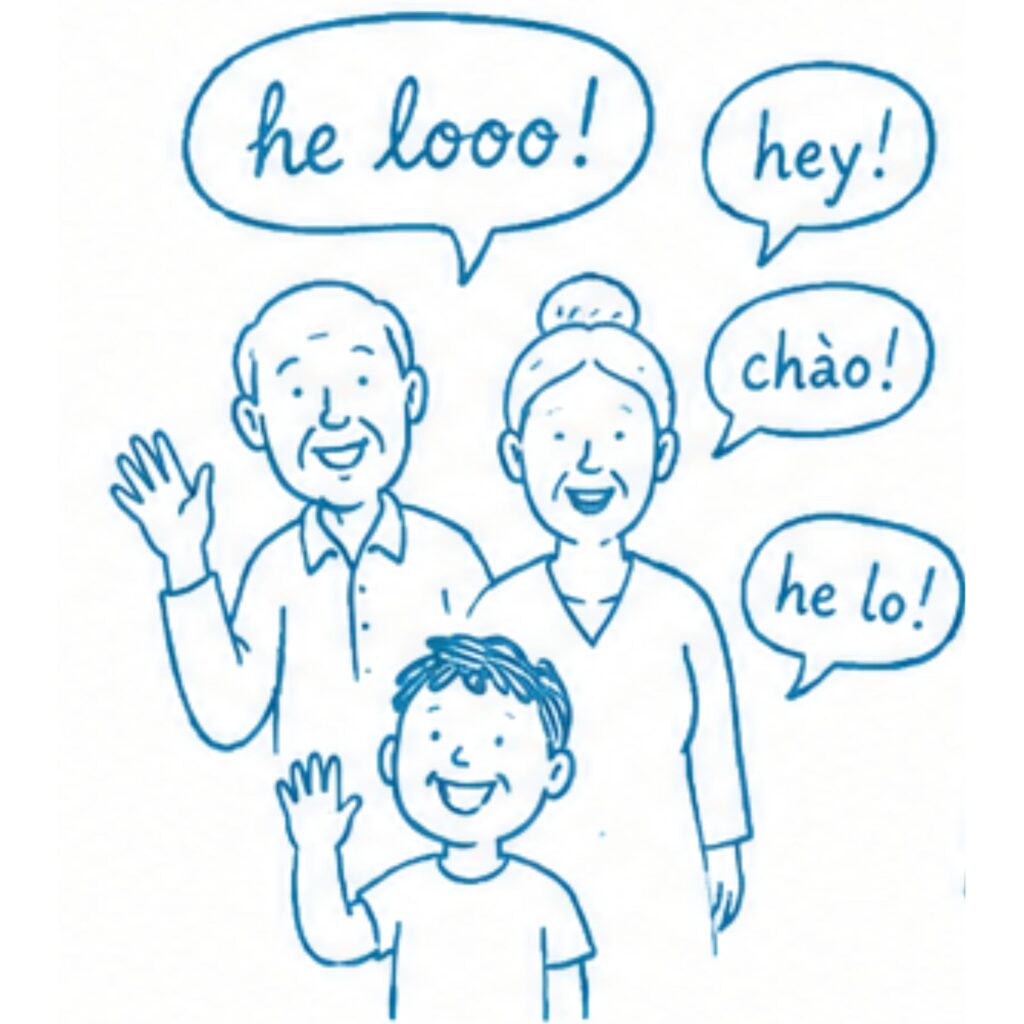
The “He-lo!” Ambassadors
Vietnamese people are incredibly friendly. When you visit the countryside, children (and adults) will likely wave and shout “He-loooo!” from the road. Smile and wave back; it will make their day.
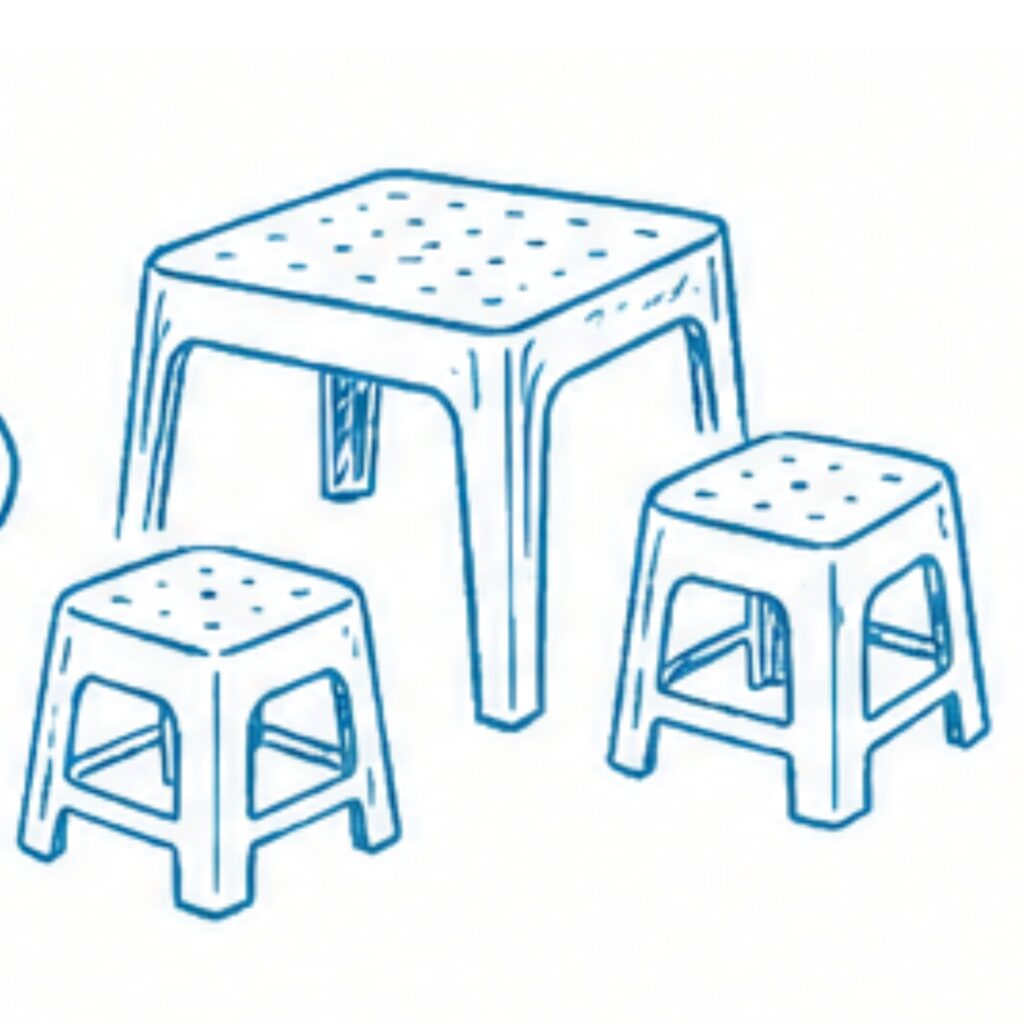
Tiny Plastic Chairs
Eating on the sidewalk is a national icon. Locals sit on tiny plastic stools very close to the ground. Sit down low, the food tastes better and the street views are amazing.

“Bia Hoi” Culture
This is fresh draft beer made and drank on the exact same day. Drinking Bia Hoi on the street is a fun, lively, and very funny way to make friends.
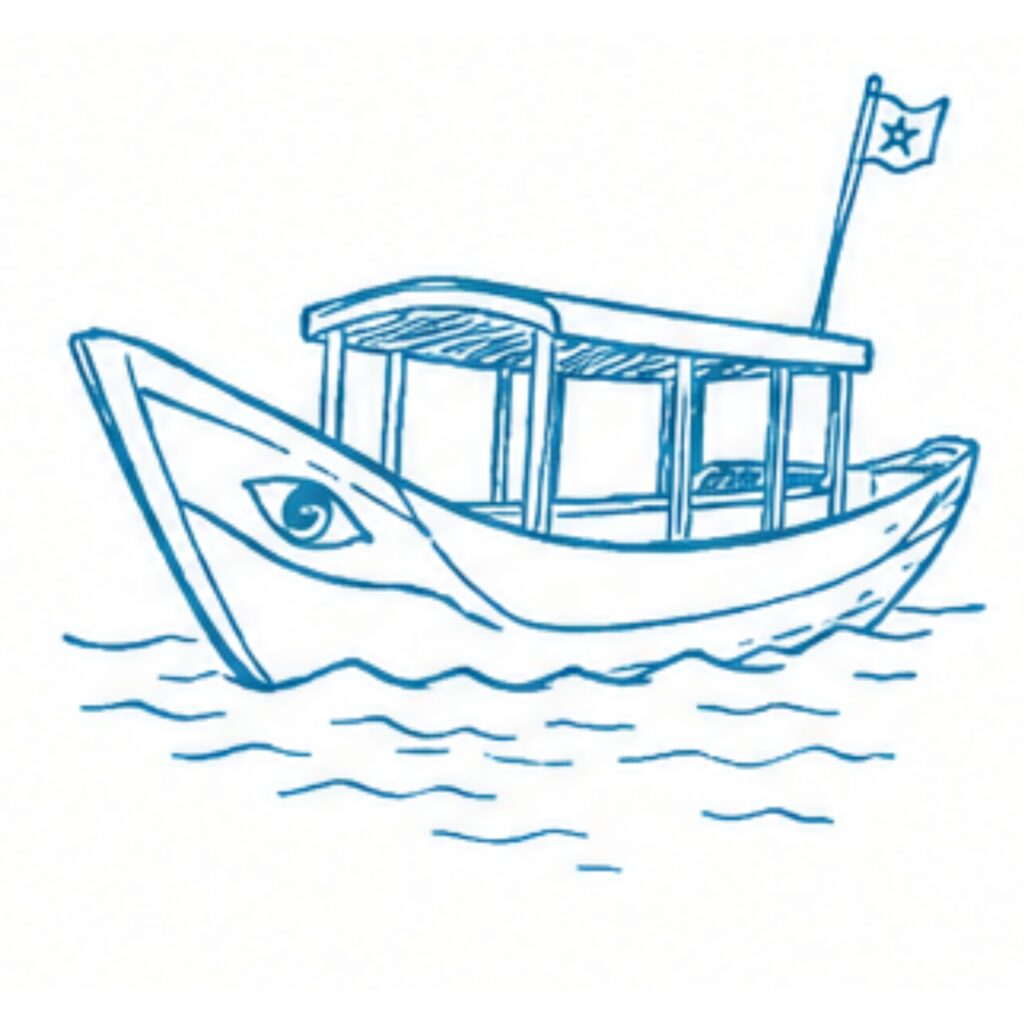
Boats with Eyes
Especially in the Mekong Delta, boats have two big eyes painted on the front. This old tradition is believed to help the boat “see” the water and avoid river monsters.
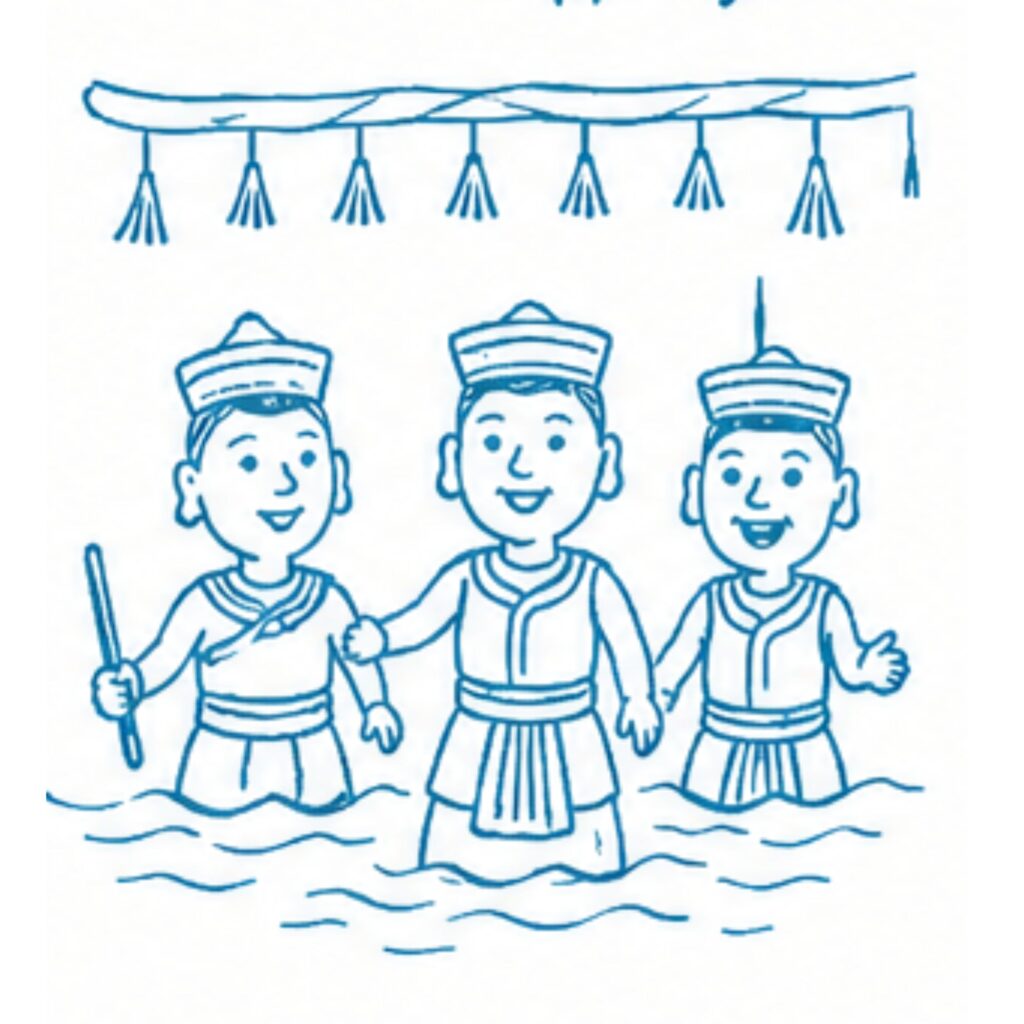
Birthplace of Water Puppetry
Since the 11th century, artists have stood waist-deep in water behind a screen to control wooden puppets. It is a very unique show!
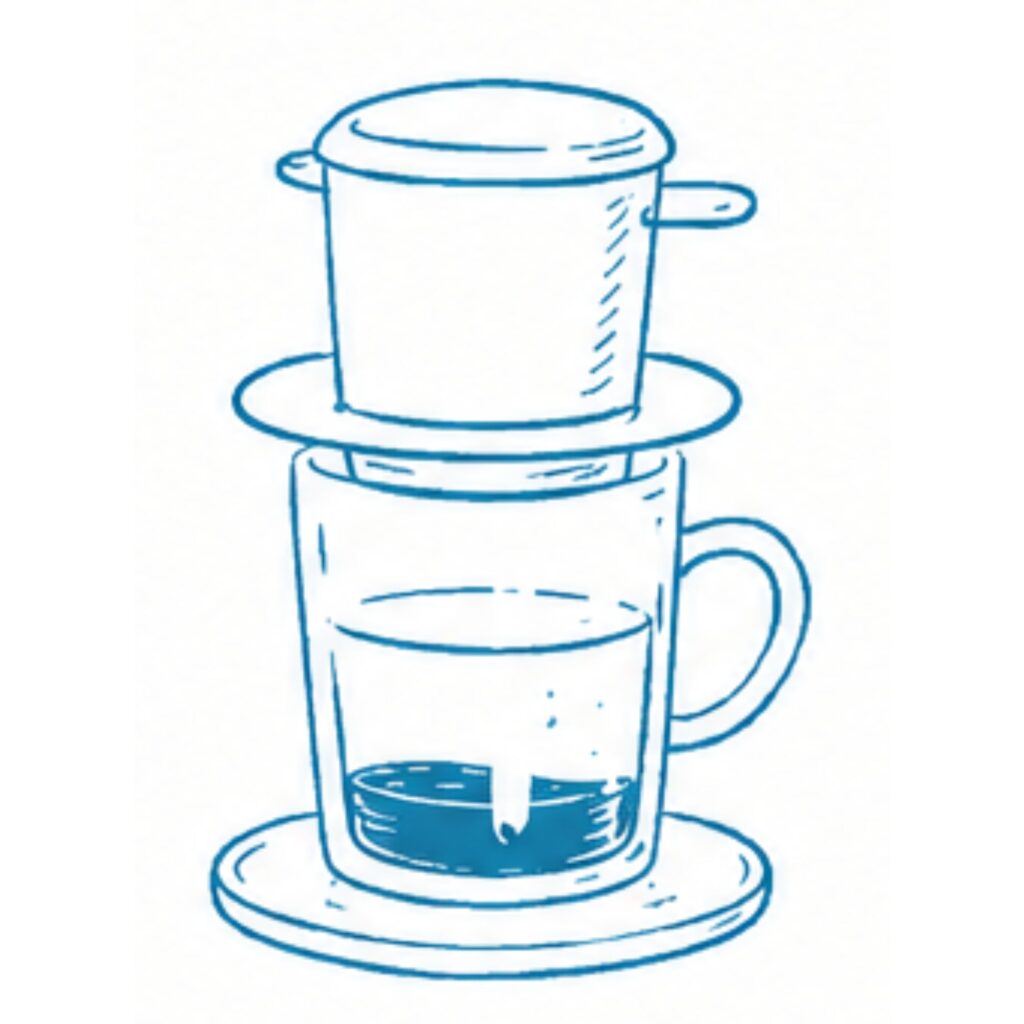
Coffee as a Lifestyle
Locals don’t just drink coffee to wake up; they mix it with condensed milk, egg yolks, or salt to create crazy good flavors.
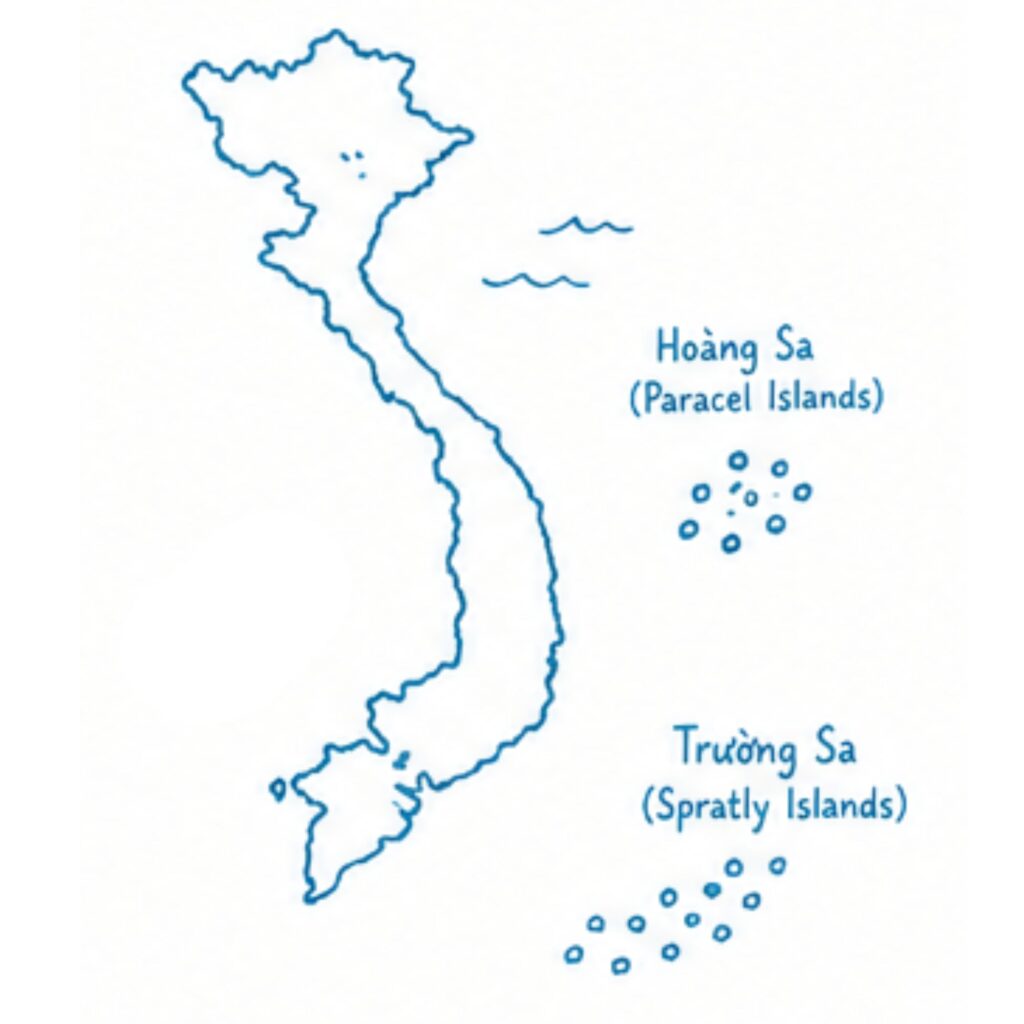
The Slender S-Shape
On a map, Vietnam looks like a long, thin letter “S”. At its narrowest point in Central Vietnam, the country is only about 50 kilometers wide from the border to the sea!
FAQ
Vietnam’s weather varies significantly by region, so the answer depends on your itinerary. For a full north-to-south trip, March and April offer the best conditions across all three regions: warm and dry in the north, clear and sunny in the centre, and the tail end of the dry season in the south. If you’re focused on one region, the sweet spots are October to April for the north, February to August for the central coast, and November to April for the south.
For a first trip covering the main highlights from north to south, 14 days is the ideal minimum, long enough to see Hanoi, Ha Long Bay, Hoi An, and Ho Chi Minh City without feeling rushed. Ten days is possible if your time is limited, but the pace will be tight. If you want to include the northern highlands (Sapa) or combine Vietnam with Cambodia, allow 18 to 21 days
Most nationalities need a Vietnam e-visa, which covers stays of up to 90 days (single or multiple entry) and is applied for online through the official government portal. A growing number of nationalities, including citizens of the UK, France, Germany, Italy, and Spain, are currently exempt for stays of up to 45 days. Visa rules are updated periodically, so always verify your specific requirements before booking travel.
Yes. Vietnam is one of the safest countries in Asia for international visitors, including solo female travellers. Violent crime targeting tourists is extremely rare. The main things to be aware of are petty theft in crowded areas, scam taxis at airports (use Grab or pre-booked transfers), and road safety. Vietnam’s traffic is dense and fast, particularly in Ho Chi Minh City. Travelling with a reputable private tour operator significantly reduces exposure to most of these risks.
Vietnam can be experienced across a wide range of budgets. Budget travellers can manage on $40–70 per day (hostel accommodation, street food, shared transport). For a comfortable private guided experience with boutique hotels and a dedicated guide, expect $120–180 per day. Deluxe travel with 4-star boutique hotels and premium experiences runs $180–300 per day, and high-end 5-star itineraries start from $300 per day. These figures are per person and exclude international flights.
Pack light, breathable clothing for the heat, with linen and moisture-wicking fabrics work well. Include at least one or two modest outfits (shoulders and knees covered) for temple visits. A compact rain jacket or poncho is useful year-round, particularly in the central and northern regions. Good walking shoes are essential for city exploration; sandals work for beach destinations. Sunscreen, a reusable water bottle, and a small day bag complete the essentials. Pharmacies in major cities are well-stocked, so you don’t need to overpack on medical supplies.
No, tap water is not safe to drink in Vietnam. Stick to bottled water or filtered water throughout your trip. Most hotels provide complimentary bottled water. If you’re concerned about plastic waste, a filtered water bottle (such as a LifeStraw or GRAYL) is a practical alternative for longer stays.
Vietnamese food varies significantly by region, which is part of what makes eating your way through the country so rewarding. Essentials include pho (Hanoi), bun bo Hue (Hue), cao lau (Hoi An only), banh mi (everywhere, but Hoi An’s Phuong is legendary), egg coffee (Hanoi), and fresh spring rolls (goi cuon, countrywide). In Ho Chi Minh City, seek out com tam (broken rice) and hu tieu noodle soup. For upscale dining, Vietnam now has multiple Michelin-starred restaurants, particularly in Hanoi and Ho Chi Minh City.
For most first-time visitors on a 10–21 day itinerary, a combination of domestic flights and private car transfers is the most practical approach. Domestic flights between Hanoi, Da Nang, and Ho Chi Minh City take 1.5–2 hours and are reasonably priced when booked in advance. For shorter overland legs such as Da Nang to Hoi An or Hue to Hoi An over the Hai Van Pass, a private car with driver is the most comfortable and flexible option. All internal transport is handled for you when you book a private guided tour with Ginkgo Voyage.
It depends on your priorities. Group tours (typically 20–40 people) follow fixed itineraries and departure dates, which keeps costs lower but removes flexibility. Private guided tours are built entirely around your schedule, pace, and interests. You travel with your own vehicle and dedicated guide with no compromises on timing or activities. For a first trip to Vietnam, where context and local knowledge make an enormous difference, most travellers find the private approach significantly more rewarding. Ginkgo Voyage specialises exclusively in private guided tours across Vietnam and Southeast Asia.
Absolutely. Vietnam is an excellent base for multi-country itineraries across Southeast Asia. The most popular combinations are Vietnam and Cambodia (12–18 days, covering Hanoi, Hoi An, Ho Chi Minh City, and Siem Reap/Angkor Wat), Vietnam and Laos (15–21 days), and Vietnam, Laos, and Cambodia together (21–28 days). Vietnam’s three international airports make it easy to enter and exit from different points, avoiding backtracking.
Ready to Plan Your Vietnam Trip?
Vietnam rewards those who arrive prepared, and it rewards even more those who arrive with a knowledgeable guide at their side. At Ginkgo Voyage, we design private, fully guided tours across Vietnam and Southeast Asia for travellers who want more than a checklist. The right pace, the right context, and the kind of access that turns a good holiday into a genuinely memorable one.
All our itineraries are private (just you and your group), fully customisable, and managed end-to-end, from airport arrival to final departure transfer.
We hope this complete Vietnam travel guide has inspired your upcoming journey. Whenever you are ready to craft your dream itinerary, our team is here to assist.
Have a question before you decide? Our team typically replies within a few hours.